
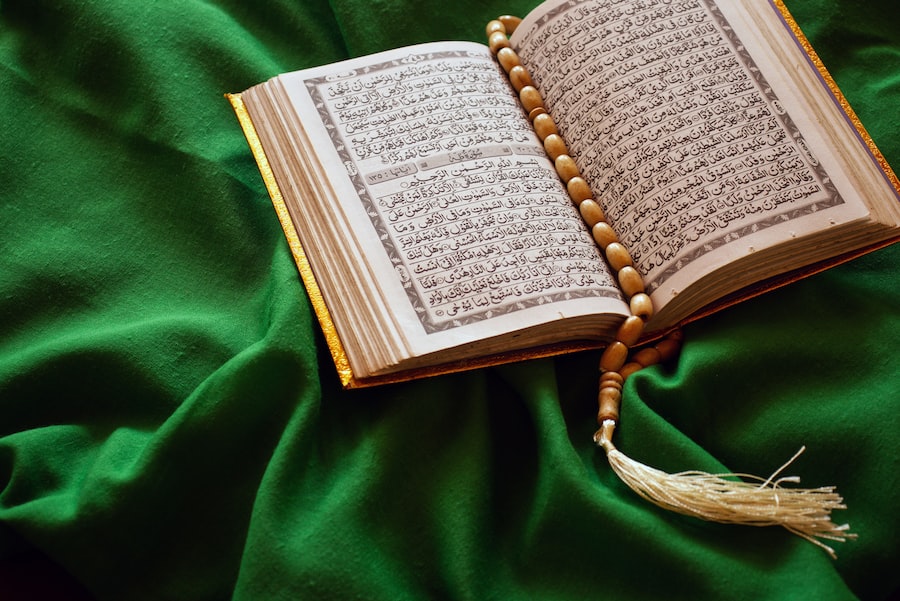
Attending a Muslim Kindergarten
Islamic kindergarten education is a form of early childhood education that focuses on providing young children with a strong foundation in Islamic values, morals, and ethics. It is a holistic approach to education that aims to nurture the physical, intellectual, emotional, and spiritual development of children. In Islamic kindergarten education, children are taught not only academic subjects but also the principles and teachings of Islam.
Early childhood education is crucial for the overall development of children. It is during this period that children’s brains are rapidly developing, and they are highly receptive to learning. Research has shown that children who receive quality early childhood education are more likely to succeed academically and socially later in life. Muslim kindergarten education recognizes the importance of this critical period and provides a nurturing and stimulating environment for young minds to thrive.
The Importance of Islamic Values in Early Childhood Education
Islamic values play a significant role in Islamic kindergarten education. These values include compassion, honesty, respect, responsibility, and fairness. They are deeply rooted in the teachings of Islam and serve as guiding principles for Muslims. By integrating Islamic values into the curriculum, Muslim kindergarten education aims to instil these virtues in young children from an early age.
The significance of Islamic values lies in their ability to shape the character and behaviour of individuals. By teaching children about compassion, they learn to be kind and empathetic towards others. By teaching them about honesty, they learn the importance of truthfulness and integrity. By teaching them about respect, they learn to value diversity and treat others with dignity. These values not only contribute to the moral development of children but also help create a harmonious and inclusive society.
Developing Strong Moral and Ethical Foundations in Muslim Kindergarten Education
Instilling moral and ethical values in young children is essential for their overall development. It helps them differentiate between right and wrong, make responsible choices, and develop a strong sense of self. Islamic kindergarten education recognizes the importance of developing these foundations and provides a nurturing environment for children to learn and practice moral and ethical values.
In Muslim kindergarten education, children are taught about the importance of honesty, kindness, generosity, and other virtues. They are encouraged to apply these values in their daily lives and interactions with others. Through stories, role-playing, and hands-on activities, children learn about the consequences of their actions and the impact they can have on others. They also learn about the importance of empathy and compassion towards those in need.
Fostering a Sense of Community and Belonging in Muslim Kindergarten Education
Creating a sense of community and belonging is crucial in early childhood education. It helps children feel safe, supported, and valued, which in turn enhances their overall well-being and learning outcomes. Islamic kindergarten education recognizes the importance of fostering this sense of community and provides opportunities for children to connect with their peers, teachers, and the wider Muslim community.
In Muslim kindergarten education, children are encouraged to work together, share ideas, and collaborate on projects. They participate in group activities, such as storytelling circles, group discussions, and cooperative games. These activities promote teamwork, communication skills, and a sense of belonging. Children also learn about the importance of respecting others’ opinions and perspectives, fostering a culture of inclusivity and acceptance.
Encouraging Active Learning and Critical Thinking in Muslim Kindergarten Education
Active learning and critical thinking are essential skills for young children to develop. They help children become independent learners, problem solvers, and critical thinkers. Islamic kindergarten education recognizes the importance of these skills and provides opportunities for children to engage in hands-on activities, explore their environment, ask questions, and think critically.
In Muslim kindergarten education, children are encouraged to explore their surroundings through sensory play, outdoor activities, and field trips. They are given opportunities to ask questions, make observations, and draw conclusions. Teachers facilitate discussions and encourage children to think critically about the information they receive. By fostering active learning and critical thinking, Islamic kindergarten education prepares children for a lifetime of learning and equips them with the skills necessary to navigate an ever-changing world.
Promoting Multiculturalism and Diversity in Muslim Kindergarten Education

Promoting multiculturalism and diversity is crucial in early childhood education. It helps children develop an appreciation for different cultures, traditions, and perspectives. It also fosters a sense of empathy, respect, and inclusivity. Islamic kindergarten education recognizes the importance of promoting multiculturalism and diversity and provides opportunities for children to learn about different cultures and celebrate diversity.
In Muslim kindergarten education, children learn about the rich Islamic heritage and the contributions of Muslims to various fields of knowledge. They also learn about other cultures, religions, and traditions through stories, music, art, and food. By promoting multiculturalism and diversity, Islamic kindergarten education helps children develop a global perspective and prepares them to be respectful and inclusive members of society.
Enhancing Social and Emotional Development in Muslim Kindergarten Education
Social and emotional development is crucial in early childhood education. It helps children develop self-awareness, self-regulation, empathy, and social skills. It also lays the foundation for healthy relationships and emotional well-being. Islamic kindergarten education recognizes the importance of social and emotional development and provides a supportive environment for children to develop these skills.
In Muslim kindergarten education, children are encouraged to express their emotions, communicate their needs, and resolve conflicts peacefully. They participate in activities that promote empathy, such as role-playing, storytelling, and community service projects. Teachers provide guidance and support to help children navigate their emotions and develop healthy coping strategies. By enhancing social and emotional development, Muslim kindergarten education equips children with the skills necessary to build positive relationships and navigate social situations effectively.
Preparing Children for Success in School and Beyond with Islamic Kindergarten Education
Preparing children for success in school and beyond is a primary goal of early childhood education. It helps children develop the necessary skills, knowledge, and attitudes to thrive academically, socially, and emotionally. Muslim kindergarten education recognizes the importance of this preparation and provides a comprehensive curriculum that prepares children for future success.
In Islamic kindergarten education, children are introduced to foundational academic skills, such as literacy, numeracy, and problem-solving. They engage in hands-on activities that promote critical thinking, creativity, and innovation. They also develop important life skills, such as communication, collaboration, and time management. By preparing children for success in school and beyond, Muslim kindergarten education sets them on a path toward a bright future.
Creating a Safe and Supportive Learning Environment in Islamic Kindergarten Education
Creating a safe and supportive learning environment is crucial in early childhood education. It helps children feel secure, valued, and motivated to learn. Islamic kindergarten education recognizes the importance of this environment and provides a nurturing space where children can thrive.
In Muslim kindergarten education, teachers create a warm and welcoming atmosphere where children feel comfortable expressing themselves and taking risks. They establish clear expectations and boundaries to ensure a safe and respectful learning environment. Teachers also build positive relationships with children and their families to foster trust and open communication. By creating a safe and supportive learning environment, Islamic kindergarten education promotes optimal learning outcomes for young minds.
The Benefits of Muslim Kindergarten Education for Young Minds
In conclusion, Muslim Preschool education offers numerous benefits for young minds. It provides a holistic approach to education that nurtures the physical, intellectual, emotional, and spiritual development of children. By integrating Islamic values into the curriculum, it instils moral and ethical foundations in young children. It fosters a sense of community and belonging, encourages active learning and critical thinking, promotes multiculturalism and diversity, enhances social and emotional development, prepares children for success in school and beyond, and creates a safe and supportive learning environment.
Early childhood education, including Muslim kindergarten education, plays a crucial role in shaping the future of children. It provides a strong foundation for lifelong learning and sets children on a path towards success. By investing in early childhood education, we invest in the well-being and future of our children and society as a whole. Therefore, it is essential to recognise the importance of early childhood education and support initiatives that promote quality education for young minds.
If you’re looking for a Muslim kindergarten that nurtures young minds with faith and education, you should check out the Islamic Prekindergarten in Bella Vista. This article on their website provides an in-depth look at how they strive to create a nurturing and inclusive environment for children. From their dedicated team of educators to their graduation ceremonies, this article highlights the unique aspects of their Islamic preschool in Sydney. To learn more about this wonderful institution, visit https://islamicprekindy.com/islamic-prekindergarten-in-bella-vista-nurturing-young-minds-with-faith-and-education/.
FAQs
What is a Muslim kindergarten?
A Muslim Kindy is an educational institution that provides early childhood education to Muslim children. It is designed to teach Islamic values, traditions, and practices to young children.
What is the purpose of an Islamic kindergarten?
The purpose of a Muslim Kindy is to provide a safe and nurturing environment for young Muslim children to learn about their faith and culture. It aims to instil Islamic values and morals in children from a young age and prepare them for a lifetime of learning and practising their faith.
What do children learn in an Islamic kindergarten?
Children in a Muslim kindergarten learn a variety of subjects, including Arabic language, Quranic studies, Islamic history, and basic Islamic practices such as prayer and fasting. They also learn basic academic skills such as reading, writing, and math.
Are Islamic kindergartens only for Muslim children?
Yes, Muslim Kindy is designed specifically for Muslim children. They are intended to provide a culturally sensitive and religiously appropriate environment for Muslim children to learn and grow.
Are Islamic kindergartens available worldwide?
Yes, Muslim kindergartens are available in many countries around the world, particularly in areas with large Muslim populations. They may be run by private organizations or by the government.
Are Islamic kindergartens only for boys?
No, Islamic kindergartens are open to both boys and girls. However, some Islamic kindergartens may have separate classes or facilities for boys and girls, particularly in more conservative societies.
