
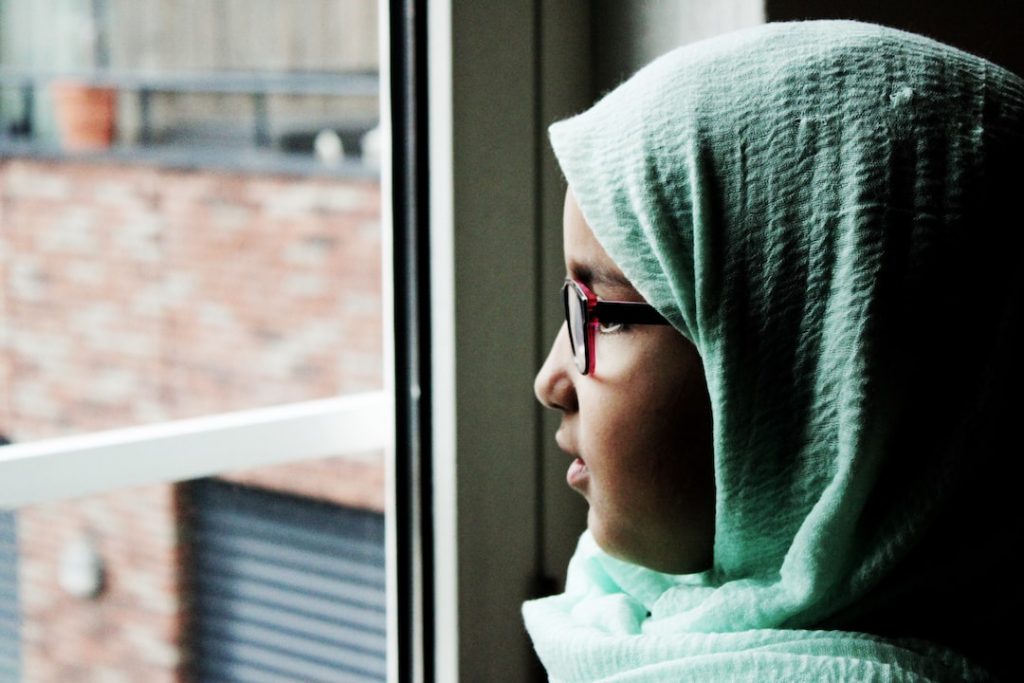

The Importance of Islamic Schools
Islam Schools play a crucial role in developing a strong sense of faith and community among Muslim students. They provide them with knowledge and understanding of Islam, allowing them to deepen their connection with their religion and practice it in their daily lives. Islam schools offer a unique environment where students can learn about their faith in a supportive and nurturing setting. Muslim families need to invest in these schools to ensure that their children receive a comprehensive education that combines academic excellence with religious teachings.
Islamic Schools: A Brief History and Overview
Islam schools, also known as madrasas, have a long history that dates back to the early days of Islam. The first madrasas were established during the time of Prophet Muhammad, who emphasized the importance of education and knowledge in Islam. Over time, madrasas evolved and took on different forms, depending on the region and cultural context.
Today, there are various types of Islamic schools, ranging from traditional madrasas to modern Islamic academies. Traditional madrasas focus primarily on religious studies, teaching students Arabic, Quranic recitation, and Islamic jurisprudence. On the other hand, modern Islamic academies offer a more comprehensive curriculum that includes religious and secular subjects.
The Benefits of Islamic Education: Developing a Stronger Sense of Faith
Islamic education plays a crucial role in helping students deepen their understanding and practice of Islam. By studying the Quran, Hadith (sayings and actions of Prophet Muhammad), and other religious texts, students gain a deeper insight into the teachings of Islam. They learn about the principles and values that guide their faith and how to apply them in their daily lives.
Muslim schools also provide an environment where students can nurture their spiritual growth. They have access to knowledgeable teachers who can guide them on their spiritual journey and help them develop a strong connection with Allah. Through daily prayers, Quranic recitation, and other religious practices, students develop a sense of discipline and devotion to their faith.
The Role of Islamic Schools in Fostering a Sense of Community and Belonging
Muslim schools create a supportive and inclusive environment for Muslim students, fostering a sense of community and belonging. Students are surrounded by peers who share the same faith and values, creating a strong bond among them. This sense of community helps students feel accepted and understood, reducing the feelings of isolation that they may experience in secular schools.
Muslim schools also provide opportunities for students to build strong relationships and networks within the Muslim community. They often organize events, such as Islamic festivals and charity drives, where students can interact with other members of the community. These interactions help students develop a sense of belonging and instil in them a sense of responsibility towards their community.
The Importance of Islamic Values and Ethics in Education
Muslim schools integrate Islamic values and ethics into their curriculum and teaching methods. They emphasize the importance of honesty, integrity, compassion, and respect for others. By incorporating these values into their daily lives, students develop strong moral character and become responsible individuals.
Muslim schools also teach students about the importance of social justice and serving others. They encourage students to engage in acts of charity and community service, instilling in them a sense of empathy and compassion towards those in need. These values help students become active members of society who contribute positively to their communities.
Muslim Schools and Academic Excellence: Achieving High Standards of Education
Contrary to popular belief, Islamic schools not only focus on religious education but also strive for academic excellence. They provide a well-rounded education that includes subjects such as mathematics, science, language arts, and social studies. Muslim schools aim to prepare students for success in both religious and secular fields.
Muslim schools often have high academic standards and rigorous curriculum requirements. They hire qualified teachers who are experts in their respective fields and provide students with the necessary resources and support to excel academically. As a result, many of these schools have a track record of producing high-achieving students who go on to pursue successful careers in various fields.
The Impact of Islamic Schools on Students’ Personal and Spiritual Growth
Islamic education has a transformative effect on students’ personal and spiritual development. It helps them develop a strong sense of self-identity rooted in their faith. They learn to navigate the challenges of adolescence and young adulthood with a solid foundation of Islamic principles and values.
Muslim schools also provide students with a safe space to explore their spirituality and ask questions about their faith. They encourage critical thinking and intellectual curiosity, allowing students to deepen their understanding of Islam. This process of self-discovery and personal growth helps students develop a strong sense of purpose and direction in life.
The Role of Islamic Schools in Preparing Students for the Challenges of the Modern World
Muslim schools play a crucial role in preparing students for the challenges of the modern world. They equip students with the skills and knowledge necessary to navigate the complexities of today’s society while staying true to their faith. Muslim schools emphasize the importance of critical thinking, problem-solving, and effective communication skills.
Muslim schools also teach students about the importance of being active and engaged citizens. They encourage students to be involved in their communities, advocate for social justice, and contribute positively to society. By instilling these values in students, these schools prepare them to be leaders who can make a difference in their communities and beyond.
The Benefits of Islamic Schools for Muslim Families and Communities
Muslim schools have a positive impact not only on individual students but also on Muslim families and communities as a whole. By investing in Islamic education, Muslim families ensure that their children receive a comprehensive education that aligns with their religious beliefs and values. This helps strengthen family bonds and create a shared sense of purpose and identity.
Muslim schools also play a crucial role in preserving and promoting Islamic culture and heritage. They provide a space where students can learn about their history, traditions, and language. By instilling a sense of pride in their cultural heritage, Muslim schools help students develop a strong sense of identity as Muslims.
The Importance of Supporting and Investing in Islamic Schools
In conclusion, Islam schools play a vital role in the development of Muslim students’ faith, character, and academic excellence. They provide a supportive and inclusive environment where students can deepen their understanding and practice of Islam. Muslim schools foster a sense of community and belonging among students, helping them develop strong relationships within the Muslim community.
Muslim schools also integrate Islamic values and ethics into their curriculum, helping students develop strong moral character. They strive for academic excellence and prepare students for success in both religious and secular fields. By investing in Islamic education, Muslim families and communities can shape the future of the Muslim community and society as a whole.
If you’re interested in learning more about Islamic schools, you should check out the article “Islamic Prekindergarten in Bella Vista: Nurturing Young Minds with Faith and Education.” This article provides valuable information about the Islamic Prekindy in Bella Vista, Sydney, and how it focuses on nurturing young minds through a combination of faith-based teachings and quality education. To read more about this Islamic prekindergarten and its approach, click here.
FAQs
What are Islamic schools?
Muslim schools are educational institutions that provide education to students with a focus on Islamic teachings and values. These schools are also known as madrasas or Islamic seminaries.
What is the curriculum of an Islamic school?
The curriculum of Muslim schools includes Muslim studies, Arabic language, Quranic studies, and Islamic history. Students also learn mathematics, science, and other secular subjects.
Who can attend Islamic schools?
Muslim schools are open to all students, regardless of their religion or background. However, the curriculum is designed to cater to the needs of Muslim students who want to learn about their religion and culture.
What is the role of an Islamic school in Muslim communities?
Muslim schools play a vital role in Muslim communities by providing education that is aligned with Islamic teachings and values. These schools help students develop a strong sense of identity and a deep understanding of their religion and culture.
Are Islamic schools only for religious education?
No, Muslim schools provide both religious and secular education. While the focus is on Islamic teachings and values, students also learn mathematics, science, and other secular subjects.
Are Muslim schools only for boys?
No, they are open to both boys and girls. However, some schools may have separate classes or facilities for boys and girls.
Are Muslim schools recognized by the government?
In many countries, Islamic schools are recognized by the government and are subject to the same regulations and standards as other schools. However, there are some countries where Muslim schools are not recognized or are subject to restrictions.
