
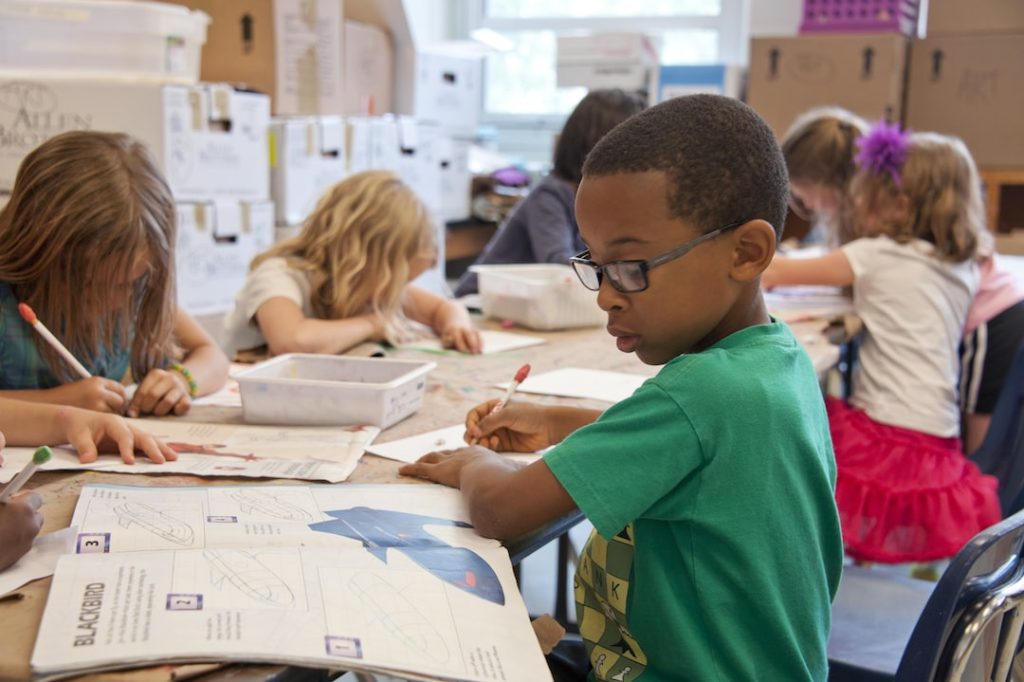
Islamic primary schools play a crucial role in the education and development of Muslim children. These schools provide a unique learning environment that integrates Islamic teachings into all aspects of education, fostering the spiritual, moral, and intellectual growth of students. Islamic education is not only important for instilling religious knowledge but also for shaping a child’s identity and preparing them for the challenges of the modern world. In this article, we will explore the importance of Islamic education for children and the various ways in which primary schools for Islam contribute to their holistic development.
The Importance of Islamic Education for Children
Islamic education plays a fundamental role in shaping a child’s identity as a Muslim. It provides them with a strong foundation in their faith and helps them understand their purpose in life. Through the study of the Quran, Hadith, and other Islamic texts, children learn about the principles and values that guide their lives. They develop a deep understanding of their religion and its teachings, which helps them navigate through the complexities of the modern world while staying true to their beliefs.
In addition to spiritual development, Islamic education also contributes to children’s moral and intellectual growth. The teachings of Islam emphasize ethical behaviour, compassion, justice, and respect for others. By instilling these values from a young age, primary schools for Islam help children develop strong moral character and become responsible members of society. Moreover, Islamic education encourages critical thinking and intellectual curiosity, fostering a love for learning and a desire to seek knowledge.
A Holistic Approach to Learning and Development
One of the key features of primary schools for Islam is their holistic approach to learning and development. These schools integrate Islamic teachings into all subjects, creating a comprehensive educational experience for students. For example, in science classes, students learn about the wonders of creation and how they reflect the power and wisdom of Allah. In history classes, they study the contributions of Muslim scholars and civilizations to human progress.
This integration of Islamic teachings into all aspects of learning helps children see the relevance of their faith in their daily lives. It also promotes a well-rounded education that encompasses not only academic knowledge but also spiritual and moral growth. By nurturing all aspects of a child’s development, primary schools for Islam aim to produce individuals who are not only knowledgeable but also compassionate, ethical, and spiritually grounded.
Fostering Strong Moral and Ethical Values
One of the core objectives of Islamic education is to develop a strong moral character in children. Primary schools for Islam place a strong emphasis on character development and ethical behaviour. Students are taught the importance of honesty, integrity, kindness, and empathy. They learn to treat others with respect and to be responsible for their actions.
By instilling these values from a young age, primary schools for Islam help children develop a strong moral compass that guides their behaviour throughout their lives. This emphasis on moral and ethical values is particularly important in today’s world, where children are often exposed to conflicting messages and moral relativism. Islamic education provides a solid foundation for children to navigate through these challenges and make ethical choices based on their religious teachings.
Building a Sense of Community and Belonging
Primary schools for Islam play a crucial role in creating a sense of community and belonging for Muslim children. These schools provide a supportive and inclusive environment where students feel accepted and valued for who they are. They foster a sense of belonging to the larger Muslim community and help children develop a strong Muslim identity.
In primary schools for Islam, students have the opportunity to interact with peers who share their faith and values. They participate in communal prayers, religious festivals, and other activities that strengthen their connection to their religion and community. This sense of belonging is essential for children’s emotional well-being and social development. It helps them develop a positive self-image, build meaningful relationships, and feel supported in their journey as Muslims.
Encouraging Active Participation in Religious Practices
Primary schools for Islam play a crucial role in encouraging children to actively participate in religious practices. Students are taught the importance of prayer, fasting, charity, and other acts of worship. They are encouraged to develop a personal relationship with Allah and to engage in acts of devotion.
By instilling a love for worship and devotion in children, primary schools for Islam help them develop a strong connection to their faith. They learn to find solace and guidance in their religious practices and to seek Allah’s blessings in all aspects of their lives. This active participation in religious practices not only strengthens their spiritual connection but also helps them develop discipline, self-control, and a sense of purpose.
Providing a Safe and Nurturing Environment
Islamic primary schools prioritize the well-being and safety of their students. These schools provide a safe and nurturing environment where children can learn and grow without fear or discrimination. They create a supportive community that values each child’s unique strengths and abilities.
In primary schools for Islam, students are surrounded by caring teachers and staff who understand their cultural and religious needs. They receive individual attention and support to help them thrive academically, emotionally, and spiritually. This safe and nurturing environment is essential for children’s overall development. It allows them to explore their potential, build confidence, and develop a positive self-image.
Enhancing Arabic Language Skills and Cultural Understanding
Islamic primary schools play a crucial role in enhancing children’s Arabic language skills and promoting cultural understanding. Arabic is the language of the Quran, and learning it enables students to read, understand, and appreciate the divine message. By studying Arabic, children gain access to a rich literary tradition and develop a deeper understanding of Islamic culture.
Moreover, learning Arabic helps children connect with Muslims around the world and fosters a sense of global citizenship. It enables them to communicate with people from different backgrounds and cultures, promoting tolerance, empathy, and cultural understanding. Primary schools for Islam provide a supportive and immersive environment for learning Arabic, helping children develop proficiency in the language and a deep appreciation for Islamic culture.
Preparing Children for the Challenges of the Modern World
Primary schools for Islam play a crucial role in preparing children for the challenges of the modern world. These schools equip students with the skills, knowledge, and values they need to succeed in all aspects of life. They provide a well-rounded education that combines academic excellence with spiritual and moral growth.
Islamic primary schools focus on developing critical thinking, problem-solving, and communication skills in students. They encourage creativity, innovation, and a love for learning. Moreover, these schools emphasize the importance of adaptability, resilience, and ethical decision-making in the face of challenges.
By preparing children for the challenges of the modern world, primary schools for Islam empower them to navigate through complex issues, make informed choices, and contribute positively to society. They help children develop a strong sense of purpose and a commitment to social justice and community service.
Success Stories of Islamic Primary School Graduates
There are numerous success stories of graduates from primary schools for Islam who have gone on to achieve great things in their lives and careers. These individuals credit their Islamic education for shaping their character, values, and worldview.
For example, many successful professionals in various fields credit their Islamic education for instilling in them a strong work ethic, integrity, and a sense of social responsibility. They attribute their success to the moral values and ethical principles they learned in primary schools for Islam.
Furthermore, many graduates from primary schools for Islam have become leaders in their communities, working towards positive change and social justice. They use their knowledge and skills to address pressing issues such as poverty, inequality, and environmental sustainability.
These success stories highlight the transformative power of Islamic education and its impact on individuals’ lives. They serve as an inspiration for parents considering Islamic education for their children.
In conclusion, primary schools for Islam play a crucial role in the education and development of Muslim children. These schools provide a unique learning environment that integrates Islamic teachings into all aspects of education, fostering the spiritual, moral, and intellectual growth of students. Islamic education is not only important for instilling religious knowledge but also for shaping a child’s identity and preparing them for the challenges of the modern world.
Islamic primary schools offer a holistic approach to learning and development, integrating Islamic teachings into all subjects and nurturing well-rounded individuals. They foster strong moral and ethical values, provide a sense of community and belonging, encourage active participation in religious practices, and create a safe and nurturing environment for children’s learning and development.
Moreover, primary schools for Islam enhance Arabic language skills and promote cultural understanding, preparing children for the challenges of the modern world. They have a track record of producing successful graduates who credit their Islamic education for their achievements in life.
In light of these benefits, parents need to consider Islamic education for their children. By providing them with a strong foundation in their faith and values, primary schools for Islam empower children to navigate through life’s challenges with confidence, integrity, and compassion.
If you’re interested in learning more about primary schools for Islam, you should check out the article on the Islamic Prekindy website titled “Islamic Prekindergarten in Bella Vista: Nurturing Young Minds with Faith and Education.” This article highlights the school’s commitment to providing a nurturing environment that combines Islamic teachings with high-quality education. To read more about their approach and programs, click here.
FAQs
What is an Islamic primary school?
A primary school for Islam is a school that provides education to children in accordance with Islamic principles and values. It aims to provide a comprehensive education that includes both secular and religious subjects.
What subjects are taught in a primary school for Islam?
In addition to the standard subjects taught in primary schools, such as math, science, and English, primary schools for Islam also teach Islamic studies, Arabic language, and Quranic studies.
Are primary schools for Islam only for Muslim children?
Islamic primary schools are open to children of all faiths and backgrounds. However, the curriculum is based on Islamic principles and values, so non-Muslim children may find some aspects of the education unfamiliar.
What are the benefits of attending primary schools for Islam?
Attending a primary school for Islam can provide children with a strong foundation in Islamic values and principles, as well as a comprehensive education that includes both secular and religious subjects. It can also help children develop a sense of community and belonging.
Are primary schools for Islam regulated by the government?
Primary schools for Islam are subject to the same regulations and standards as other primary schools. They must meet certain requirements in terms of curriculum, facilities, and teacher qualifications in order to be accredited by the government.