
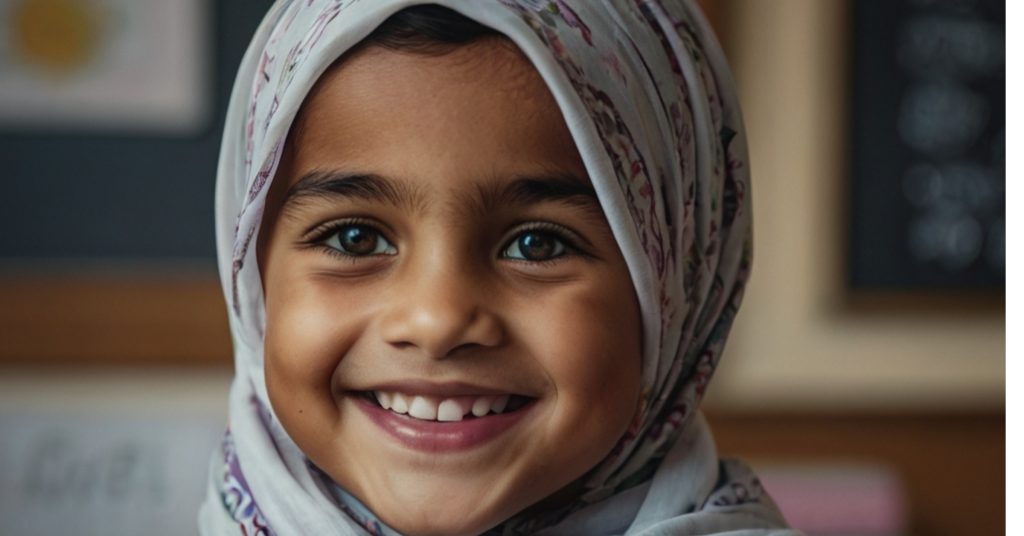
Islamic Prekindy, often referred to as Islamic preschool or early childhood education, serves as a foundational stage for young Muslim children, typically ranging from ages three to five. This educational approach is designed to integrate Islamic teachings with early learning principles, creating an environment where children can develop both academically and spiritually. The curriculum in Islamic Prekindy is not merely focused on traditional subjects such as literacy and numeracy; it also emphasizes the importance of Islamic values, ethics, and cultural identity.
This dual focus aims to nurture well-rounded individuals who are not only knowledgeable but also possess a strong moral compass rooted in their faith. In many Muslim communities, the establishment of Islamic Prekindy programs has become increasingly popular as parents seek educational settings that align with their religious beliefs. These programs often incorporate elements of the Quran, Hadith, and other Islamic teachings into daily activities, fostering a sense of belonging and identity among young learners.
The environment is typically designed to be welcoming and inclusive, encouraging children to explore their surroundings while learning about their faith. As such, Islamic Prekindy serves as a vital bridge between home and formal education, preparing children for the next stages of their academic journey while instilling a deep appreciation for their cultural heritage. Check out the Islamic prekindy program at prekindy.
Key Takeaways
- Islamic Prekindy provides a nurturing and supportive environment for young children to learn about Islamic values and principles.
- Early childhood education in Islam is highly valued as it lays the foundation for a child’s moral, social, and academic development.
- Islamic Prekindy education offers the benefits of instilling a strong sense of identity, community, and faith in young children.
- The role of Islamic values and morals in Prekindy education is to guide children in developing a strong moral compass and ethical behavior.
- Islamic Prekindy has a significant impact on child development, fostering a love for learning, empathy, and a strong sense of belonging within the Islamic community.
The Importance of Early Childhood Education in Islam
Early childhood education holds a significant place in Islamic teachings, as it is believed that the formative years of a child’s life are crucial for their overall development. The Prophet Muhammad (peace be upon him) emphasized the importance of education from a young age, stating that seeking knowledge is an obligation for every Muslim. This principle underscores the belief that early education is not just about acquiring academic skills but also about nurturing a child’s character and moral values.
In Islam, the early years are seen as a time when children are most impressionable, making it essential for them to be exposed to positive influences and teachings. Moreover, early childhood education in Islam is viewed as a means of fostering a strong connection between the child and their faith. By introducing children to Islamic principles and practices at an early age, parents and educators can help them develop a sense of responsibility towards their religion and community.
This early exposure can lead to a lifelong commitment to learning and practicing Islam, as children learn to appreciate the significance of their beliefs in everyday life. The emphasis on early education also aligns with the broader Islamic principle of lifelong learning, encouraging individuals to continuously seek knowledge and understanding throughout their lives.
The Benefits of Islamic Prekindy Education

Islamic Prekindy education offers numerous benefits that extend beyond traditional academic learning. One of the primary advantages is the holistic development it promotes. Children enrolled in Islamic Prekindy programs are not only taught essential skills such as reading, writing, and arithmetic but are also encouraged to develop social skills, emotional intelligence, and spiritual awareness.
This comprehensive approach helps children grow into well-rounded individuals who can navigate various aspects of life with confidence and integrity. Additionally, Islamic Prekindy education fosters a strong sense of community among young learners. By interacting with peers who share similar values and beliefs, children develop friendships that are rooted in mutual respect and understanding.
This sense of belonging can significantly enhance a child’s self-esteem and emotional well-being. Furthermore, the collaborative nature of many Islamic Prekindy programs encourages teamwork and cooperation, teaching children the importance of working together towards common goals. These social skills are invaluable as they prepare children for future educational settings and social interactions.
The Role of Islamic Values and Morals in Prekindy Education
| Islamic Values and Morals in Prekindy Education |
|---|
| 1. Respect for others |
| 2. Kindness and compassion |
| 3. Honesty and integrity |
| 4. Responsibility and accountability |
| 5. Patience and perseverance |
| 6. Generosity and sharing |
The integration of Islamic values and morals into Prekindy education is fundamental to its philosophy. Educators in Islamic Prekindy settings strive to instill core values such as honesty, kindness, respect, and empathy in their students. These values are not merely theoretical concepts; they are woven into daily activities and interactions, allowing children to experience them in real-life contexts.
For instance, storytelling sessions may include tales from the Quran that highlight moral lessons, while group activities may emphasize sharing and cooperation. Moreover, the role of Islamic values extends beyond individual behavior; it encompasses the development of a sense of responsibility towards others and the community at large. Children learn about the importance of helping those in need, participating in community service, and being good stewards of the environment.
This emphasis on social responsibility helps cultivate compassionate individuals who are aware of their impact on the world around them. By embedding these values into the educational framework, Islamic Prekindy programs aim to produce not only knowledgeable students but also conscientious citizens who contribute positively to society.
The Impact of Islamic Prekindy on Child Development
 The impact of Islamic Prekindy on child development is profound and multifaceted. Research has shown that early exposure to structured educational environments significantly enhances cognitive development in young children. In an Islamic Prekindy setting, children engage in activities that stimulate critical thinking, creativity, and problem-solving skills.
For example, hands-on learning experiences such as arts and crafts or interactive storytelling encourage children to express themselves while developing their cognitive abilities. Furthermore, the emotional development of children in Islamic Prekindy programs is equally significant. The nurturing environment provided by educators fosters secure attachments and emotional resilience among young learners.
Children learn to identify and express their feelings while also developing empathy towards others. This emotional intelligence is crucial for building healthy relationships both within the classroom and beyond. As children navigate social interactions with their peers, they practice conflict resolution skills and learn the importance of communication—skills that will serve them well throughout their lives.
A Comparison: Why Choose Islamic Prekindy Over Long Daycare Centers

When comparing Islamic Prekindy programs with traditional long daycare facilities, several key differences emerge that highlight the unique advantages of an Islamic educational framework. While long daycare centers often focus primarily on childcare with limited educational components, Islamic Prekindy programs prioritize both care and structured learning grounded in Islamic principles. This dual focus ensures that children receive not only supervision but also meaningful educational experiences that align with their cultural identity.
Another notable distinction lies in the curriculum design. Long daycare facilities may offer a more generalized approach to early childhood education, often following state or national guidelines without specific religious considerations. In contrast, Islamic Prekindy programs incorporate religious teachings into every aspect of learning—from language development to social skills—creating a cohesive educational experience that reinforces children’s understanding of their faith.
This integration helps children see their learning as part of a larger narrative that connects them to their heritage and community.
Choosing the Right Islamic Prekindy for Your Child
Selecting the right Islamic Prekindy for your child is a critical decision that requires careful consideration of various factors. Parents should begin by researching local options and evaluating each program’s curriculum, philosophy, and teaching methods. It is essential to look for institutions that prioritize both academic excellence and spiritual development, ensuring that your child’s educational experience aligns with your family’s values.
Visiting potential schools can provide valuable insights into the environment and culture of each institution. Observing how educators interact with children can reveal much about the program’s approach to teaching and nurturing young minds. Additionally, speaking with other parents who have enrolled their children in these programs can offer firsthand accounts of their experiences.
Ultimately, choosing an Islamic Prekindy should involve a thoughtful assessment of how well each program meets your child’s needs while fostering their growth within an Islamic framework.
Making the Best Choice for Your Child’s Early Education
In navigating the landscape of early childhood education options available today, parents must weigh various factors when making decisions about their child’s future. The significance of choosing an educational setting that aligns with one’s values cannot be overstated; it lays the groundwork for a child’s lifelong relationship with learning and faith. By considering the unique benefits offered by Islamic Prekindy programs—such as holistic development, moral grounding, and community building—parents can make informed choices that will positively impact their children’s lives.
Ultimately, investing in an Islamic Prekindy education is not just about preparing children for academic success; it is about nurturing compassionate individuals who understand their responsibilities within both their families and society at large. As parents embark on this journey, they should remain committed to finding an environment where their children can thrive academically while growing spiritually—a balance that is essential for fostering well-rounded individuals who will contribute meaningfully to their communities in the future.
If you are considering enrolling your child in an Islamic prekindy program, you may also be interested in learning about the benefits of attending a Muslim school near you. This article on the benefits of attending a Muslim school near me explores how Islamic education can provide a nurturing and supportive environment for children to learn and grow in their faith. By choosing a Muslim school, you can ensure that your child receives a well-rounded education that incorporates Islamic values and teachings into their daily learning experience.
FAQs
What is Islamic prekindy?
Islamic prekindy is an early childhood education program that incorporates Islamic teachings, values, and practices into its curriculum. It aims to provide a nurturing and supportive environment for young children to learn and grow while also instilling Islamic principles and beliefs.
What are long daycare centers?
Long daycare centers are facilities that provide full-day care for children, typically from infancy to school age. They offer a range of educational and recreational activities in a group setting, often operating for extended hours to accommodate working parents.
What are the benefits of choosing Islamic prekindy over long daycare centers?
Choosing Islamic prekindy over long daycare centers allows children to receive an education that aligns with their religious and cultural beliefs. Islamic prekindy programs often incorporate Arabic language instruction, Quranic studies, and Islamic etiquette, providing a holistic approach to early childhood education.
How does Islamic prekindy differ from long daycare centers in terms of curriculum?
Islamic prekindy programs typically integrate Islamic teachings and values into their curriculum, while long daycare centers may have a more general or secular approach to education. Islamic prekindy may also place a greater emphasis on moral and character development based on Islamic principles.
What are the considerations when choosing between Islamic prekindy and long daycare centers?
When choosing between Islamic prekindy and long daycare centers, parents should consider their child’s religious and cultural upbringing, as well as the specific educational and developmental needs of their child. Additionally, factors such as location, cost, and hours of operation may also influence the decision.