Early childhood education plays a pivotal role in shaping a child’s future, laying the groundwork for lifelong learning and development. In Liverpool, parents are presented with a variety of prekindergarten options, including both Islamic and mainstream programs. The significance of early education cannot be overstated; it is during these formative years that children develop critical cognitive, social, and emotional skills.
The choice between Islamic and mainstream prekindergarten programs often hinges on a family’s values, beliefs, and educational goals for their children. Islamic prekindergarten programs are designed to integrate religious teachings with early education, providing a unique environment that fosters both academic and spiritual growth. In contrast, mainstream prekindergarten programs typically focus on a more secular curriculum that emphasizes general educational standards and developmental milestones.
This diversity in educational approaches allows parents in Liverpool to select a program that aligns with their family’s cultural and religious values while ensuring their children receive a quality education. Check out the Islamic prekindy program at https://islamicprekindy.com/.
Key Takeaways
- Early childhood education is crucial for a child’s development and there are various options available in Liverpool, including Islamic and mainstream prekindergarten programs.
- Islamic prekindergarten programs focus on incorporating Islamic values and teachings, while mainstream programs have a more diverse and secular approach.
- Language development strategies in Islamic and mainstream prekindergarten programs may include bilingual education and cultural immersion.
- Both Islamic and mainstream prekindergarten programs emphasize social and emotional development, with a focus on empathy, respect, and teamwork.
- Parental involvement varies in Islamic and mainstream prekindergarten programs, including family events, communication with teachers, and participation in the curriculum.
Curriculum:
The curriculum in Islamic prekindergarten programs is distinctively tailored to incorporate religious teachings alongside foundational academic skills. Children are introduced to the principles of Islam through age-appropriate stories, songs, and activities that emphasize moral values such as honesty, kindness, and respect for others. This integration of faith into the curriculum not only nurtures spiritual growth but also helps children develop a strong sense of identity and belonging within their community.
Language development is often intertwined with religious education, as children learn Arabic alongside English, fostering bilingualism from an early age. In contrast, mainstream prekindergarten programs in Liverpool typically follow a curriculum that adheres to national educational standards without a religious framework. These programs focus on essential skills such as literacy, numeracy, and social interaction through play-based learning.
While they may incorporate diverse cultural elements, the emphasis remains on secular education. Language development in mainstream settings often prioritizes English proficiency, with less emphasis on bilingual education unless specifically designed as an immersion program. This difference in curriculum focus can significantly influence a child’s early learning experience and their understanding of cultural identity.
Cultural and Religious Values:

Islamic prekindergarten programs are deeply rooted in the cultural and religious values of Islam. These programs aim to instill a sense of faith and community in young children by incorporating Islamic teachings into daily activities. For instance, children may participate in prayers, learn about the significance of Ramadan, or engage in storytelling that highlights the lives of prophets.
This approach not only reinforces religious beliefs but also fosters a sense of belonging among children who share similar backgrounds. The incorporation of Islamic values encourages children to develop moral character and ethical behavior from an early age. On the other hand, mainstream prekindergarten programs adopt a more diverse and secular approach to education.
These programs celebrate multiculturalism by exposing children to various traditions, beliefs, and practices from around the world. While they may promote values such as respect and empathy, they do so without a specific religious framework. This diversity can enrich children’s understanding of the world around them but may lack the focused moral guidance found in Islamic programs.
Parents seeking to instill specific cultural or religious values in their children may find that mainstream programs do not fully align with their aspirations.
Language Development:
| Age | Language Milestones |
|---|---|
| 0-6 months | Starts making cooing and babbling sounds |
| 7-12 months | Begins to understand simple words and gestures |
| 1-2 years | Starts using simple words and short phrases |
| 3-4 years | Develops more complex sentences and vocabulary |
| 5-6 years | Can have detailed conversations and understand complex language |
Language development strategies in Islamic prekindergarten programs often emphasize bilingual education, particularly in Arabic and English. Children are encouraged to learn Arabic not only as a language but also as a means of connecting with their faith. This dual-language approach can enhance cognitive flexibility and cultural awareness, allowing children to navigate both their religious identity and the broader English-speaking world.
Activities such as storytelling in both languages, singing traditional songs, and engaging in conversations with peers help reinforce language skills while fostering a sense of pride in their heritage. In contrast, mainstream prekindergarten programs primarily focus on English language development, utilizing various strategies to enhance vocabulary, comprehension, and communication skills. These programs often employ play-based learning techniques that encourage children to express themselves verbally through interactive activities.
While some mainstream programs may offer bilingual options or cultural immersion experiences, the primary goal remains centered on achieving proficiency in English. This focus can be beneficial for children who will continue their education in predominantly English-speaking environments but may not provide the same level of cultural connection found in Islamic programs.
Social and Emotional Development:
Social and emotional development is a critical component of early childhood education, and both Islamic and mainstream prekindergarten programs approach this aspect with distinct philosophies. In Islamic prekindergarten settings, there is often a strong emphasis on empathy, respect for others, and teamwork rooted in Islamic teachings. Children are encouraged to practice kindness through cooperative play and group activities that reflect the values of community and support.
The integration of religious principles into social interactions helps children understand the importance of compassion and moral responsibility towards others. Mainstream prekindergarten programs also prioritize social and emotional development but do so through a more secular lens. These programs typically focus on teaching children how to express their feelings, resolve conflicts, and build friendships through structured play and group activities.
Educators often employ techniques such as role-playing and guided discussions to help children navigate social situations effectively. While both approaches aim to foster positive social interactions, the underlying values guiding these interactions differ significantly between Islamic and mainstream settings.
Parental Involvement:

Parental involvement is crucial in early childhood education, as it fosters a strong home-school connection that benefits children’s learning experiences. In Islamic prekindergarten programs, parents are often encouraged to take an active role in their child’s education through participation in family events, workshops, and community gatherings. These programs may organize activities that allow parents to engage with educators and other families, reinforcing the sense of community that is central to Islamic teachings.
Communication between parents and teachers is typically open and frequent, ensuring that families are informed about their child’s progress and any relevant religious or cultural events. Mainstream prekindergarten programs also recognize the importance of parental involvement but may approach it differently. These programs often host parent-teacher conferences, open houses, and family engagement events designed to keep parents informed about their child’s development.
While parents are encouraged to participate in school activities, the level of involvement can vary widely depending on individual family circumstances and program structure. Some mainstream programs may offer opportunities for parents to volunteer in the classroom or contribute to curriculum planning, but the emphasis on community may not be as pronounced as in Islamic settings.
Facilities and Resources:
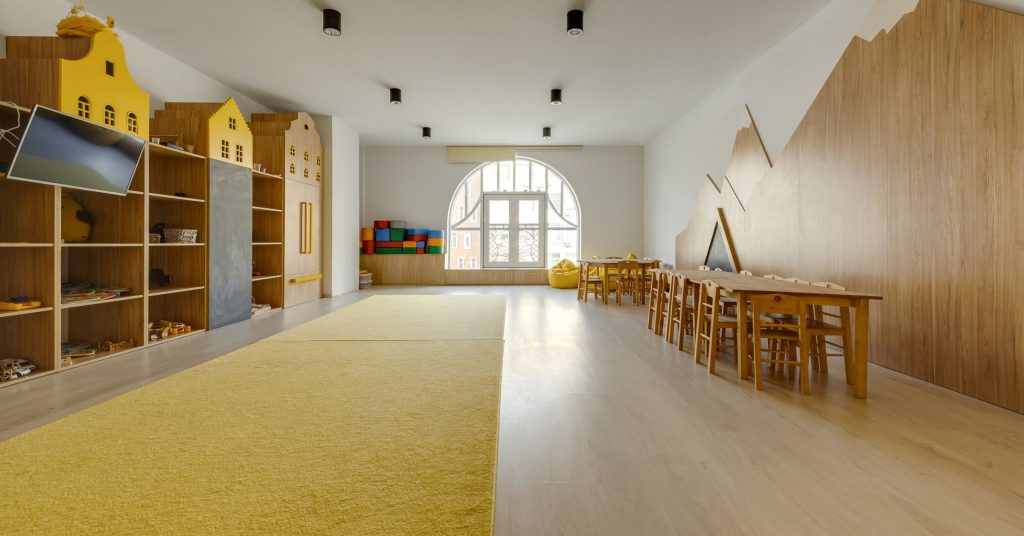
The facilities and resources available in Islamic prekindergarten programs can vary significantly based on funding, location, and community support. Many Islamic centers invest in creating nurturing environments that reflect their values through classroom design, outdoor play areas, and educational materials that align with Islamic teachings. Classrooms may feature culturally relevant decorations, books about Islamic history or values, and resources that promote bilingual education.
Outdoor spaces are often designed to encourage physical activity while providing areas for group play that foster social interaction among children. Mainstream prekindergarten programs also strive to provide high-quality facilities and resources that support children’s learning needs. These programs typically feature well-equipped classrooms with age-appropriate materials for literacy, math, science exploration, and creative arts.
Outdoor play areas are designed to promote physical development through climbing structures, slides, and open spaces for running and playing games. Technology integration is increasingly common in mainstream settings, with many programs incorporating tablets or interactive whiteboards to enhance learning experiences. However, the focus on secular education may result in fewer resources specifically tailored to cultural or religious themes compared to Islamic prekindergarten programs.
Conclusion:
The choice between Islamic and mainstream prekindergarten programs in Liverpool presents parents with distinct options that cater to varying educational philosophies and cultural values. While Islamic programs emphasize religious teachings alongside academic growth, mainstream programs focus on secular education within a diverse cultural framework. Each type of program offers unique benefits that can significantly influence a child’s early learning experience.
Parents considering their options should carefully evaluate how each program aligns with their family’s values and educational goals for their children. By understanding the differences in curriculum focus, cultural integration, language development strategies, social-emotional approaches, parental involvement opportunities, and available resources, families can make informed decisions that best support their child’s growth during these formative years. Ultimately, whether choosing an Islamic or mainstream prekindergarten program, the goal remains the same: to provide children with a strong foundation for lifelong learning and personal development.
A related article discussing the importance of Islamic early learning centers in Sydney can be found at this link. This article highlights the benefits of Islamic education for young children and how it can help build a strong foundation for their future. It complements the discussion on Islamic vs mainstream prekindy benefits in Liverpool by providing insights into the unique advantages of Islamic prekindergarten programs.
FAQs
What are the benefits of Islamic prekindergarten in Liverpool?
Islamic prekindergarten in Liverpool offers a curriculum that integrates Islamic teachings and values into early childhood education. This includes learning about Islamic beliefs, practices, and morals, as well as Arabic language and Quranic studies.
What are the benefits of mainstream prekindergarten in Liverpool?
Mainstream prekindergarten in Liverpool follows a more traditional early childhood education curriculum, focusing on a wide range of subjects including literacy, numeracy, social skills, and creative development.
How do Islamic and mainstream prekindergarten programs differ in Liverpool?
Islamic prekindergarten programs in Liverpool incorporate Islamic teachings and values into their curriculum, while mainstream prekindergarten programs follow a more general education approach without a specific religious focus.
What are the potential benefits of Islamic prekindergarten for Muslim families in Liverpool?
Islamic prekindergarten provides Muslim families in Liverpool with the opportunity for their children to learn about their faith and culture in an educational setting, helping to instill a strong sense of identity and belonging from a young age.
What are the potential benefits of mainstream prekindergarten for families in Liverpool?
Mainstream prekindergarten programs in Liverpool offer families a more general education approach, providing children with a broad foundation of knowledge and skills that can prepare them for future academic success.