
Introduction: Understanding the Importance of Islamic Values-based Childcare Bella Vista
As parents, one of our most important responsibilities is to shape our children’s values and beliefs. We want to raise them to be compassionate, respectful, and morally upright individuals who contribute positively to society. In the Muslim community, Islamic Values-based Childcare in Bella Vista plays a crucial role in building strong character and a moral compass for our children.
Islamic values are rooted in the teachings of the Quran and the Prophet Muhammad (peace be upon him). They encompass principles such as honesty, kindness, justice, and humility. By instilling these values in our children from a young age, we are laying the foundation for them to become confident, compassionate, and faithful individuals.
Choosing the Right Childcare Provider: Finding a Muslim-Friendly Environment in Bella Vista
When it comes to choosing a childcare provider for our children, it is essential to find an environment that aligns with our family’s values. In Bella Vista, where the Muslim community may be smaller compared to other areas, finding a Muslim-friendly childcare provider can be challenging but not impossible.
One tip for finding a Muslim-friendly environment is to reach out to local mosques or Islamic centres. They may have information about childcare providers who are familiar with Islamic Values-based Childcare Bella Vista and can provide a nurturing environment for your child. Additionally, connecting with other Muslim families in the area can also be helpful as they may have recommendations or insights into suitable childcare options.
Instilling Islamic Values at Home: Tips for Muslim Parents in Bella Vista
While finding a Muslim-friendly childcare provider is important, instilling Islamic values-based childcare Bella Vista at home is equally crucial. Creating a home environment that promotes Islamic values can help reinforce what your child learns outside of the home.
One way to promote at home is by incorporating Islamic teachings into daily routines and activities. For example, you can start each day by reciting morning supplications together as a family or end each day by reciting evening supplications. This helps your child develop a habit of remembering Allah throughout the day and creates a sense of unity and spirituality within the family.
Teaching Children the Importance of Prayer: Incorporating Salah into Daily Routines
Prayer, or Salah, is one of the pillars of Islam and holds great significance in the lives of Muslims. Teaching children how to perform Salah and making it a regular part of their routine is essential in instilling Islamic values.
One tip for teaching children the importance of prayer is to involve them in the process from an early age. Allow them to observe you while you pray and explain to them the significance of each step. As they grow older, encourage them to join you in prayer and guide them through the motions. Making prayer a family activity can help create a sense of unity and reinforce its importance in their lives.
Nurturing a Love for the Quran: Encouraging Children to Learn and Recite Quranic Verses
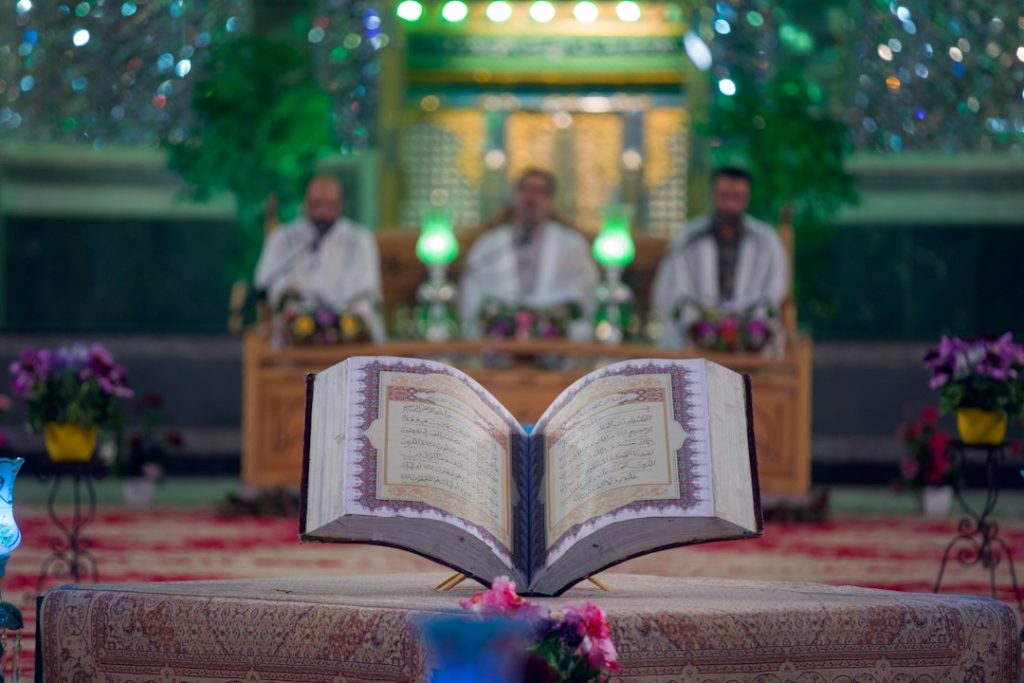
The Quran is considered the holy book of Islam and holds immense importance in the lives of Muslims. Encouraging children to learn and recite Quranic verses can help foster a love for the Quran and strengthen their connection to their faith.
One tip for encouraging children to learn and recite Quranic verses is to make it a fun and interactive experience. Use visual aids such as colourful flashcards or charts to help them memorize verses. Additionally, consider enrolling them in Quran classes or programs that cater specifically to children. These classes often use engaging methods such as storytelling or games to make learning the Quran enjoyable.
Fasting and Ramadan: Helping Children Understand the Significance of the Holy Month
Fasting during the holy month of Ramadan is another important aspect of Islamic practice. Helping children understand the significance of fasting and Ramadan can deepen their appreciation for their faith.
One tip for helping children understand the importance of Ramadan is to involve them in the preparations. Allow them to help with setting up the iftar (meal to break the fast) or decorating the house for Ramadan. This creates a sense of excitement and anticipation for the holy month. Additionally, explain to them the reasons behind fasting and its spiritual benefits. Encourage them to participate in fasting, even if it is for a few hours or a day, depending on their age and capabilities.
Giving Back to the Community: Engaging Children in Charitable Activities and Volunteering
Giving back to the community is an integral part of Islamic teachings. Engaging children in charitable activities and volunteering not only instil Islamic values but also teaches them the importance of compassion and empathy.
One tip for engaging children in charitable activities is to start small and age-appropriate. For example, you can encourage them to donate a portion of their allowance to a charitable cause or participate in a local food drive. As they grow older, involve them in volunteering opportunities such as serving meals at a homeless shelter or participating in community clean-up projects. These experiences help children develop a sense of gratitude and empathy towards others.
Respecting Diversity: Teaching Children to Embrace Differences and Promote Unity
Respecting diversity is an essential aspect of Islamic teachings. Teaching children to embrace differences and promote unity helps foster a sense of inclusivity and acceptance within the Muslim community and beyond.
One tip for teaching children to respect diversity is to expose them to different cultures, traditions, and perspectives. Encourage them to interact with children from diverse backgrounds, whether it be at school or through community events. Additionally, read books or watch movies that highlight different cultures and discuss them with your child. This helps broaden their understanding of the world and promotes tolerance and acceptance.
Addressing Challenges: Coping with Islamophobia and Negative Stereotypes in Bella Vista
Unfortunately, Muslim families may face challenges such as Islamophobia and negative stereotypes, even in a diverse community like Islamic values-based childcare Bella Vista. It is important to equip our children with the tools to cope with these challenges and maintain their confidence and faith.
One tip for coping with Islamophobia and negative stereotypes is to educate your child about their faith and its teachings. Help them understand that Islam promotes peace, justice, and compassion. Encourage open communication and create a safe space for them to express their feelings or concerns. Additionally, involve them in interfaith activities or organizations that promote dialogue and understanding between different religious communities.
Conclusion: Raising Confident, Compassionate, and Faithful Muslim Children in Bella Vista
Islamic values-based childcare Bella Vista is a rewarding but sometimes challenging journey. By choosing the right childcare provider, instilling Islamic values at home, teaching the importance of prayer and the Quran, fostering a love for Ramadan, engaging in charitable activities, promoting respect for diversity, and addressing challenges such as Islamophobia, we can raise confident, compassionate, and faithful Muslim children who contribute positively to their community and society as a whole.
If you’re interested in learning more about Islamic Values-based childcare Bella Vista, you should check out the article “Islamic Islamic Values-based Childcare in Bella Vista: Nurturing Young Minds with Faith and Education.” This article provides valuable information about the program’s approach to early childhood education, its curriculum, and how it integrates Islamic teachings into daily activities. It’s a great resource for parents who want their children to receive a well-rounded education incorporating their faith. You can find the article here.
