
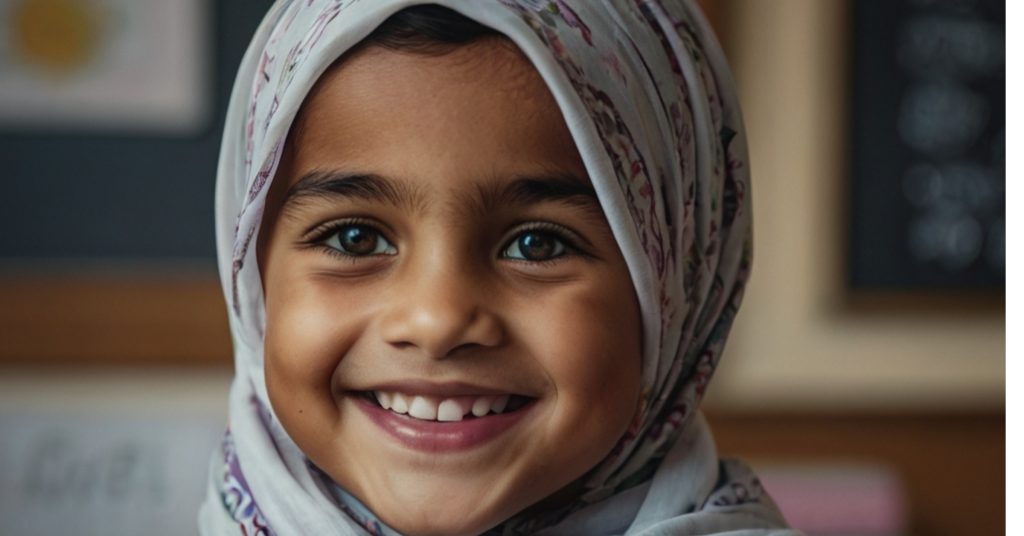
Islamic school readiness is a critical concept that encompasses not only the academic preparedness of children entering Islamic educational institutions but also their emotional, social, and spiritual readiness. As children transition into an environment that integrates both secular and religious education, it is essential that they possess the foundational skills necessary for success. This readiness is not merely about cognitive abilities; it also involves understanding Islamic values, principles, and practices that will guide their behavior and interactions within the school community.
The importance of this readiness cannot be overstated, as it lays the groundwork for lifelong learning and adherence to Islamic teachings. Moreover, Islamic school readiness plays a pivotal role in shaping a child’s identity and sense of belonging within the Muslim community. When children are adequately prepared to engage with their faith in an educational setting, they are more likely to develop a strong connection to their cultural heritage and religious beliefs.
This connection fosters resilience and confidence, enabling them to navigate the complexities of growing up in a multicultural society while remaining grounded in their Islamic values. Schools that prioritize Islamic readiness create an environment where children can thrive academically and spiritually, ultimately contributing to the development of well-rounded individuals who are equipped to face the challenges of the modern world. Check out the Islamic prekindy program at https://islamicprekindy.com/.
Key Takeaways
- Islamic school readiness is important for children to develop a strong foundation in their faith and academic skills.
- Understanding the cultural and religious context is crucial for educators to create a supportive and inclusive learning environment for Muslim students.
- Developing Islamic literacy skills helps students to understand and appreciate their faith, history, and traditions.
- Fostering a strong sense of identity in students helps them to feel confident and proud of their Muslim identity.
- Building a supportive community and collaborating with parents and families are essential for creating a holistic and nurturing educational experience for Muslim students.
Understanding the Cultural and Religious Context
To effectively prepare children for Islamic schooling, it is crucial to understand the cultural and religious context in which they are being educated. The Islamic faith is rich with traditions, teachings, and practices that vary widely across different cultures and communities. This diversity necessitates a nuanced approach to education that respects and incorporates these variations while maintaining core Islamic principles.
Educators must be aware of the cultural backgrounds of their students, as these backgrounds significantly influence their learning styles, values, and interactions with peers. In addition to cultural considerations, understanding the religious context involves a deep appreciation of Islamic teachings and how they can be integrated into the curriculum. For instance, lessons on morality, ethics, and social responsibility can be framed within the context of Quranic teachings and Hadith.
By embedding these principles into everyday learning experiences, educators can help students internalize their faith while also developing critical thinking skills. This dual focus on cultural sensitivity and religious education creates a holistic learning environment that nurtures both the mind and the spirit.
Developing Islamic Literacy Skills

Developing Islamic literacy skills is a fundamental aspect of preparing children for success in Islamic schools. These skills encompass not only the ability to read and recite the Quran but also an understanding of its meanings and implications in daily life. Educators play a vital role in fostering these skills by employing various teaching methods that engage students in meaningful ways.
For example, interactive storytelling can be used to convey Quranic narratives, allowing children to connect emotionally with the text while enhancing their comprehension. In addition to Quranic literacy, students should also be encouraged to explore Islamic history, jurisprudence, and ethics. This broader understanding of Islam equips them with the knowledge necessary to navigate complex moral dilemmas and societal issues.
By integrating discussions about contemporary challenges faced by Muslims around the world, educators can help students apply their Islamic literacy skills in real-world contexts. This approach not only reinforces their academic learning but also cultivates a sense of responsibility towards their community and the world at large.
Fostering a Strong Sense of Identity
| Metrics | Data |
|---|---|
| Employee Engagement | 85% |
| Retention Rate | 90% |
| Employee Satisfaction | 4.5/5 |
Fostering a strong sense of identity is essential for children attending Islamic schools, as it helps them navigate their dual identities as both Muslims and members of a broader society. A well-rounded Islamic education should emphasize the importance of self-awareness and self-acceptance, encouraging students to embrace their faith as an integral part of who they are. This can be achieved through various activities that promote reflection on personal beliefs, values, and experiences.
For instance, students might engage in projects that explore their family histories or cultural backgrounds, allowing them to see how these elements intersect with their Islamic identity. Furthermore, schools can create opportunities for students to participate in community service projects that align with Islamic teachings on compassion and social justice. By actively engaging in their communities, students not only reinforce their sense of identity but also develop empathy and a commitment to making positive contributions to society.
This dual focus on personal growth and community involvement helps students cultivate a robust sense of identity that is rooted in their faith while also being responsive to the needs of those around them.
Building a Supportive Community

A supportive community is vital for fostering an environment where children can thrive academically and spiritually. In Islamic schools, this community extends beyond the classroom to include parents, teachers, and local religious leaders who work collaboratively to support students’ growth. Building such a community requires intentional efforts to create strong relationships among all stakeholders.
Regular communication between parents and educators is essential for sharing insights about children’s progress and addressing any concerns that may arise. Additionally, schools can organize events that bring families together, such as cultural celebrations or educational workshops on Islamic teachings. These gatherings not only strengthen bonds among families but also provide opportunities for parents to engage with one another and share resources.
A strong sense of community fosters an atmosphere of trust and collaboration, which is crucial for addressing challenges that may arise during a child’s educational journey. When families feel supported by their school community, they are more likely to be actively involved in their children’s education, leading to better outcomes for students.
Collaborating with Parents and Families

Collaboration with parents and families is a cornerstone of effective Islamic education. Parents are often the first educators in a child’s life, instilling values and beliefs that shape their worldview. Therefore, schools must recognize the importance of involving parents in the educational process.
This collaboration can take many forms, from regular parent-teacher conferences to workshops that equip parents with strategies for reinforcing Islamic teachings at home. Moreover, schools can create platforms for parents to share their expertise and experiences with one another. For instance, inviting parents to lead discussions on topics such as parenting in an Islamic context or navigating cultural challenges can foster a sense of ownership within the community.
By valuing parents’ contributions and perspectives, schools can create an inclusive environment where families feel empowered to support their children’s education actively.
Addressing Language and Communication Needs
Addressing language and communication needs is crucial for ensuring that all students can fully engage with their education in an Islamic school setting. Many children may come from diverse linguistic backgrounds, which can present challenges in both academic performance and social integration. Schools must implement strategies to support language development while also respecting students’ native languages.
For instance, bilingual education programs can be beneficial in helping students transition into an English-speaking environment while maintaining proficiency in their mother tongue. In addition to formal language instruction, fostering an inclusive atmosphere where students feel comfortable expressing themselves is essential. Encouraging peer interactions through group activities can help bridge communication gaps among students from different linguistic backgrounds.
Teachers should also be trained in culturally responsive teaching practices that recognize the importance of language diversity in the classroom. By addressing language needs proactively, schools can create an environment where all students feel valued and capable of contributing meaningfully to discussions.
Recognizing the Unique Challenges and Opportunities

Islamic schools face unique challenges and opportunities that require thoughtful consideration from educators and administrators alike. One significant challenge is balancing secular academic requirements with religious education while ensuring that both areas receive adequate attention. This balancing act necessitates a well-designed curriculum that integrates Islamic teachings into various subjects without compromising academic rigor.
On the other hand, these challenges present opportunities for innovation in teaching methods and curriculum design. For instance, educators can leverage technology to create interactive learning experiences that engage students in both secular subjects and religious studies. Online resources can provide access to diverse perspectives on Islamic teachings while also facilitating collaboration among students from different backgrounds.
By embracing these opportunities for growth and adaptation, Islamic schools can continue to evolve in ways that meet the needs of their students while remaining true to their mission of providing a holistic education grounded in faith.
A related article to the Islamic school readiness program in Western Sydney can be found at Islamic Prekindergarten Bella Vista. This article discusses fun and educational activities for toddlers that can help boost brain power and prepare them for school. It emphasizes the importance of sorting and matching games, singing and reciting nursery rhymes to improve memory and language skills, which are essential for early childhood development.
FAQs
What is the Islamic school readiness program Western Sydney?
The Islamic school readiness program in Western Sydney is a program designed to prepare young children for their transition into formal schooling within an Islamic educational environment. It aims to provide children with the necessary skills and knowledge to succeed in a school setting while also incorporating Islamic teachings and values.
What are the objectives of the Islamic school readiness program?
The objectives of the Islamic school readiness program include promoting school readiness skills such as literacy, numeracy, and social skills, as well as introducing children to Islamic teachings, values, and practices. The program also aims to foster a sense of belonging and community within the Islamic school environment.
Who can participate in the Islamic school readiness program?
The program is typically open to young children within the local Islamic community who are preparing to enter formal schooling. It may be available to children of preschool age, typically around 4-5 years old, depending on the specific program and its eligibility criteria.
What are some typical activities in the Islamic school readiness program?
Activities in the Islamic school readiness program may include early literacy and numeracy exercises, social and emotional development activities, Islamic studies, Arabic language instruction, and exposure to Islamic cultural practices and traditions. The program may also involve parental involvement and support.
How can parents enroll their children in the Islamic school readiness program?
Parents interested in enrolling their children in the Islamic school readiness program can typically do so by contacting the Islamic school or organization that offers the program. They may need to complete an application or registration process and provide any necessary documentation or fees. It’s advisable to inquire about enrollment procedures directly with the specific program provider.