
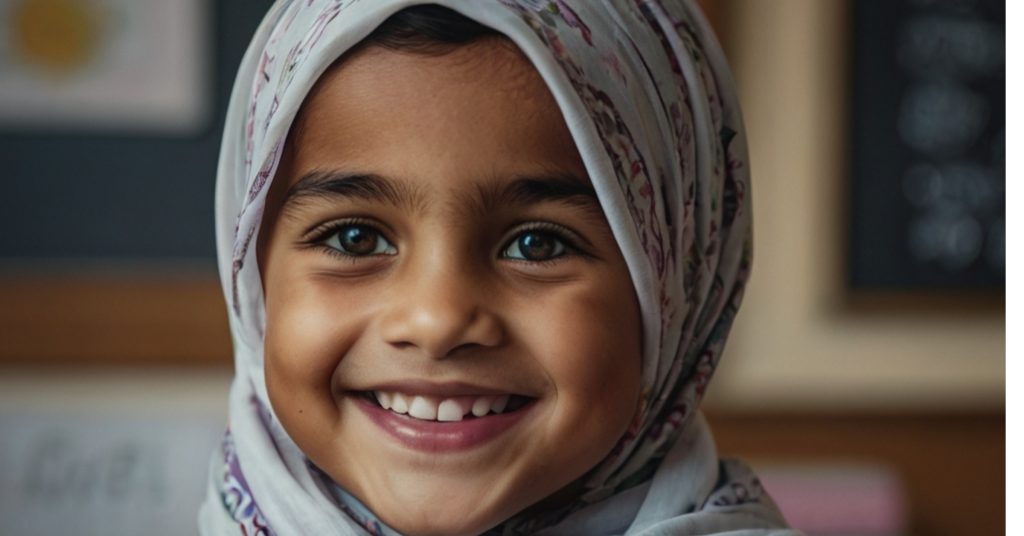
Islamic Prekindy serves as a foundational educational setting for young children, typically aged three to five, where they are introduced to both Islamic teachings and essential literacy skills. This early stage of education is crucial as it lays the groundwork for lifelong learning and moral development. In many Islamic communities, Prekindy programs are designed not only to teach basic academic skills but also to instill a sense of identity and belonging among children.
The curriculum often integrates religious teachings with general education, creating a holistic approach that nurtures both the mind and the spirit. The significance of Islamic Prekindy extends beyond mere academic preparation; it is a space where children learn about their cultural heritage and religious values. The environment is often enriched with Islamic principles, stories from the Quran, and teachings of the Prophet Muhammad (peace be upon him).
This dual focus on literacy and spirituality helps children develop a well-rounded character, fostering a sense of responsibility, empathy, and respect for others. As such, Islamic Prekindy plays a pivotal role in shaping the future generation of Muslim leaders and community members. Check out the Islamic prekindy program at https://islamicprekindy.com/.
Key Takeaways
- Islamic Prekindy aims to provide a holistic education that integrates Islamic values and teachings into literacy education.
- Islamic Prekindy with focus on English and Arabic literacy is important to ensure that children are able to engage with both Islamic and global communities.
- Strategies for fostering English literacy in Islamic Prekindy include using interactive and engaging activities, incorporating English into daily routines, and providing a print-rich environment.
- Strategies for fostering Arabic literacy in Islamic Prekindy involve using storytelling, rhymes, and songs, providing opportunities for writing in Arabic, and integrating Arabic into various learning experiences.
- Integrating Islamic values and teachings into literacy education in Islamic Prekindy helps children develop a strong sense of identity and moral values while learning to read and write in English and Arabic.
Importance of English and Arabic Literacy in Islamic Prekindy
In an increasingly globalized world, proficiency in multiple languages is becoming essential. For children in Islamic Prekindy, acquiring literacy in both English and Arabic is particularly important. Arabic, being the language of the Quran, holds a special place in the hearts of Muslims.
It is not only a means of communication but also a vehicle for understanding religious texts and teachings. Mastering Arabic at an early age allows children to engage with their faith more deeply, fostering a connection to their cultural roots. Conversely, English has emerged as a global lingua franca, opening doors to diverse opportunities in education, business, and social interactions.
In many Islamic countries, English is taught as a second language from an early age, reflecting its importance in the modern world. By developing literacy skills in both languages, children are better equipped to navigate various contexts—whether they are engaging with their local community or participating in international dialogues. This bilingual proficiency enhances cognitive flexibility and cultural awareness, essential traits in today’s interconnected society.
Strategies for Fostering English Literacy in Islamic Prekindy

To effectively foster English literacy in Islamic Prekindy, educators can employ a variety of engaging strategies tailored to young learners. One effective approach is the use of storytelling. By incorporating age-appropriate English storybooks that feature relatable characters and themes, teachers can capture children’s imaginations while simultaneously enhancing their vocabulary and comprehension skills.
Interactive storytelling sessions can encourage participation, allowing children to express their thoughts and feelings about the stories they hear. Another strategy involves integrating play-based learning into the curriculum. Activities such as role-playing or using educational games can make learning English enjoyable and less intimidating for young children.
For instance, teachers might set up a “market” where children can practice vocabulary related to shopping and food items in English. This immersive experience not only reinforces language skills but also promotes social interaction among peers. Additionally, incorporating songs and rhymes into daily routines can help children develop phonemic awareness and improve their pronunciation in a fun and engaging manner.
Strategies for Fostering Arabic Literacy in Islamic Prekindy
| Strategy | Description |
|---|---|
| Storytelling | Using traditional Arabic stories to engage children and improve their language skills. |
| Arabic Alphabet Games | Introducing fun games and activities to help children learn the Arabic alphabet. |
| Language-rich Environment | Creating an environment filled with Arabic words and phrases to immerse children in the language. |
| Parent Involvement | Encouraging parents to participate in their child’s Arabic literacy development at home. |
| Use of Technology | Incorporating educational Arabic language apps and digital resources into the curriculum. |
Fostering Arabic literacy in Islamic Prekindy requires a thoughtful approach that respects the language’s cultural significance while making learning accessible and enjoyable. One effective method is through the use of visual aids such as flashcards, posters, and illustrated books that depict Arabic letters and words alongside images. This visual connection helps children associate sounds with symbols, facilitating their understanding of the language’s structure.
Incorporating traditional Islamic stories and fables into the curriculum can also enhance Arabic literacy. These narratives not only provide linguistic exposure but also convey moral lessons that resonate with children’s experiences. Teachers can encourage discussions around these stories, prompting children to express their interpretations and feelings.
Additionally, engaging children in writing activities—such as tracing Arabic letters or creating simple sentences—can reinforce their learning while allowing them to express their creativity. By creating a rich linguistic environment that celebrates Arabic language and culture, educators can instill a sense of pride in children’s heritage.
Integrating Islamic Values and Teachings into Literacy Education

Integrating Islamic values into literacy education is essential for fostering a well-rounded understanding of both language and faith among young learners. Educators can weave Islamic teachings into reading materials by selecting stories that highlight virtues such as honesty, kindness, and respect for others. For example, stories from the Quran or Hadith that illustrate these values can serve as powerful tools for teaching moral lessons while simultaneously enhancing literacy skills.
Moreover, classroom discussions can be structured around Islamic principles, encouraging children to reflect on how these teachings apply to their daily lives. Activities such as group projects or collaborative storytelling can promote teamwork while reinforcing the importance of community—a core value in Islam. By creating an environment where literacy is intertwined with spiritual growth, educators help children develop not only as learners but also as compassionate individuals who embody Islamic values.
Benefits of Bilingual Literacy in Islamic Prekindy
The benefits of bilingual literacy in Islamic Prekindy extend far beyond mere language acquisition; they encompass cognitive, social, and emotional development as well. Research has shown that bilingual children often exhibit enhanced problem-solving skills and greater cognitive flexibility compared to their monolingual peers. This cognitive advantage stems from their ability to switch between languages and navigate different linguistic contexts, which fosters critical thinking skills.
Socially, bilingualism opens up avenues for communication with diverse groups of people. Children who are proficient in both English and Arabic can engage with a broader range of peers, fostering friendships that transcend cultural boundaries. This exposure not only enriches their social experiences but also cultivates empathy and understanding towards others from different backgrounds.
Emotionally, being bilingual can boost children’s self-esteem as they gain confidence in their ability to communicate effectively in multiple languages. This sense of accomplishment contributes positively to their overall well-being.
Parental Involvement in Supporting English and Arabic Literacy at Islamic Prekindy

Parental involvement plays a crucial role in supporting children’s literacy development in both English and Arabic within Islamic Prekindy settings. Parents can create a rich linguistic environment at home by reading books in both languages to their children regularly. This practice not only reinforces what children learn at school but also fosters a love for reading that can last a lifetime.
Parents can choose bilingual books that feature both English and Arabic text, allowing children to see the connections between the two languages. Additionally, parents can engage in activities that promote language use outside of formal education settings. For instance, organizing playdates with other families who speak either language can provide children with opportunities to practice their skills in a social context.
Parents can also participate in school events or workshops focused on literacy development, allowing them to learn strategies that they can implement at home. By actively participating in their children’s education, parents reinforce the importance of bilingual literacy while strengthening the family’s connection to both languages and cultures.
The Future of English and Arabic Literacy in Islamic Prekindy

As we look towards the future of English and Arabic literacy in Islamic Prekindy settings, it is clear that the integration of these two languages will continue to play a vital role in shaping young learners’ identities and capabilities. The ongoing globalization necessitates that educational frameworks adapt to meet the demands of an interconnected world while remaining rooted in cultural values. By prioritizing bilingual literacy from an early age, educators can equip children with the tools they need to thrive academically and socially.
Furthermore, as communities become increasingly diverse, fostering an appreciation for multiple languages will be essential for promoting inclusivity and understanding among different cultural groups. The commitment to nurturing bilingualism within Islamic Prekindy not only benefits individual learners but also strengthens community ties by fostering mutual respect and collaboration among families from various backgrounds. As we move forward, it is imperative that educators, parents, and community leaders work together to create enriching environments that celebrate both English and Arabic literacy while instilling strong Islamic values in the hearts of young learners.
If you are interested in learning more about Islamic prekindy programs that focus on English and Arabic literacy, you may want to check out the article on the Islamic School Readiness Program in Sydney. This program is designed to help children develop their language skills in both English and Arabic, preparing them for success in school and beyond. To read more about this program, visit here.
FAQs
What is Islamic prekindy?
Islamic prekindy is an early childhood education program that incorporates Islamic teachings, values, and practices into the curriculum. It aims to provide a nurturing and supportive environment for young children to develop their cognitive, social, emotional, and physical skills while also learning about Islamic beliefs and traditions.
What is the focus on English literacy in Islamic prekindy?
Islamic prekindy with a focus on English literacy aims to introduce young children to the English language through age-appropriate activities such as storytelling, singing, and interactive games. The goal is to build a strong foundation in English language skills, including listening, speaking, reading, and writing, to prepare children for future academic success.
What is the focus on Arabic literacy in Islamic prekindy?
Islamic prekindy with a focus on Arabic literacy aims to introduce young children to the Arabic language through activities that promote listening, speaking, reading, and writing skills. Children are exposed to Arabic letters, sounds, and vocabulary in a fun and engaging way, laying the groundwork for future proficiency in the language.
How does Islamic prekindy promote a holistic approach to education?
Islamic prekindy promotes a holistic approach to education by integrating Islamic teachings and values into all aspects of the curriculum, including language development, social interactions, and physical activities. The program aims to nurture the whole child, addressing their cognitive, emotional, social, and spiritual development.
What are the benefits of enrolling a child in an Islamic prekindy program?
Enrolling a child in an Islamic prekindy program can provide numerous benefits, including a strong foundation in Islamic values and teachings, exposure to English and Arabic literacy skills, social and emotional development, and preparation for future academic success. Additionally, children may develop a sense of identity and belonging within the Islamic community.