
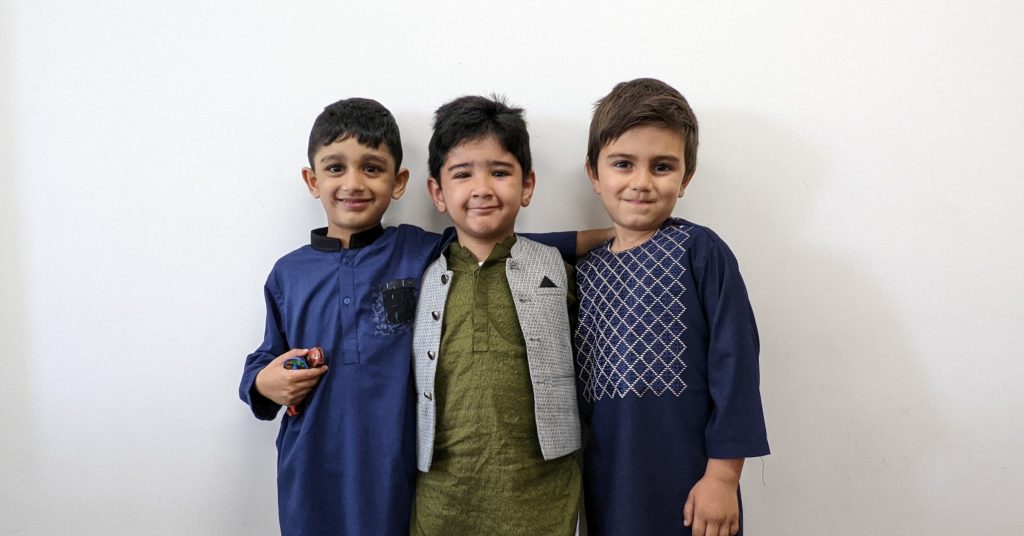
Islamic prekindergarten programs serve as a foundational stepping stone for young children, typically aged three to five, to embark on their educational journey while being immersed in Islamic teachings and values. These early childhood education settings are designed not only to prepare children for formal schooling but also to instill a sense of identity and belonging within the Islamic community. The curriculum is often enriched with elements that reflect Islamic culture, traditions, and moral teachings, providing a holistic approach to child development.
In many Islamic prekindergarten programs, the integration of religious education with general learning objectives is paramount. Children are introduced to basic concepts of Islam, such as the five pillars, stories of the Prophets, and the importance of prayer and community. This early exposure helps to cultivate a strong moral compass and a sense of responsibility towards oneself and others.
The environment is typically designed to be nurturing and supportive, allowing children to explore their surroundings while learning about their faith in a manner that is engaging and age-appropriate. Check out the Islamic prekindy program at https://islamicprekindy.com/.
Key Takeaways
- Islamic Prekindergarten provides a nurturing and supportive environment for young children to learn and grow while incorporating Islamic values and principles into the curriculum.
- Structured play-based learning in Islamic Prekindergarten offers numerous benefits, including promoting social, emotional, and cognitive development in children.
- Teachers play a crucial role in Islamic Prekindergarten by creating a supportive and inclusive learning environment and incorporating Islamic values into their teaching practices.
- Parental involvement is essential in Islamic Prekindergarten education, as it helps create a strong partnership between the school and the family, leading to better outcomes for the children.
- Implementing a balanced approach to academic and social development in Islamic Prekindergarten ensures that children receive a well-rounded education that prepares them for future success.
The Benefits of Structured Play-Based Learning
Structured play-based learning is a cornerstone of effective early childhood education, particularly in Islamic prekindergarten settings. This approach recognizes that children learn best through play, which allows them to explore, experiment, and engage with their environment in meaningful ways. In an Islamic context, play-based learning can be tailored to incorporate religious themes, such as storytelling from the Quran or role-playing scenarios that reflect Islamic values.
This method not only fosters cognitive development but also enhances social skills as children interact with their peers. Moreover, structured play provides opportunities for children to develop critical thinking and problem-solving skills. For instance, through collaborative games that require teamwork, children learn the importance of cooperation and sharing—values that are deeply rooted in Islamic teachings.
Activities such as building blocks or art projects can be infused with lessons about creation and gratitude towards Allah for the beauty of the world around them. By engaging in these activities, children not only enjoy themselves but also internalize important lessons that will guide their behavior and interactions throughout their lives.
Incorporating Islamic Values and Principles into the Curriculum

The incorporation of Islamic values and principles into the curriculum of prekindergarten programs is essential for fostering a strong sense of identity among young learners. This can be achieved through various methods, including storytelling, songs, and interactive activities that highlight key Islamic teachings. For example, stories from the Quran can be simplified and presented in a way that resonates with young children, emphasizing themes such as kindness, honesty, and respect for others.
Additionally, daily routines in an Islamic prekindergarten often include practices such as morning prayers (Salah) or reciting short verses from the Quran. These activities not only reinforce religious teachings but also help children develop a sense of discipline and routine. Educators can create a curriculum that balances academic learning with spiritual growth by integrating lessons on empathy and compassion into everyday activities.
For instance, discussions about helping others can be paired with community service projects or charity drives, allowing children to practice these values in real-life contexts.
The Role of Teachers in Islamic Prekindergarten
| Metrics | Data |
|---|---|
| Number of Teachers | 10 |
| Student-Teacher Ratio | 8:1 |
| Teacher Qualifications | Islamic education certification |
| Curriculum Development | Collaborative effort with Islamic scholars |
| Teacher Training | Regular workshops and professional development |
Teachers in Islamic prekindergarten settings play a multifaceted role that extends beyond traditional instruction. They are not only educators but also mentors and role models who embody the values they teach. A teacher’s ability to create a warm and welcoming atmosphere is crucial for fostering a sense of security among young learners.
This environment encourages children to express themselves freely while exploring their faith and identity. Furthermore, teachers are responsible for designing engaging lesson plans that align with both educational standards and Islamic principles. This requires a deep understanding of child development as well as knowledge of Islamic teachings.
Effective teachers utilize various instructional strategies to cater to diverse learning styles, ensuring that each child receives personalized attention. They also engage with parents regularly to discuss their child’s progress and address any concerns, reinforcing the partnership between home and school in nurturing a child’s growth.
Creating a Supportive and Inclusive Learning Environment

A supportive and inclusive learning environment is vital for the success of any educational program, particularly in Islamic prekindergarten settings where diversity may be present among students. Educators must strive to create an atmosphere where all children feel valued and respected, regardless of their background or abilities. This can be achieved through culturally responsive teaching practices that acknowledge and celebrate the unique experiences of each child.
Incorporating diverse perspectives into the curriculum not only enriches the learning experience but also promotes empathy and understanding among peers. For instance, activities that highlight various cultural celebrations within the Muslim community can foster appreciation for diversity while reinforcing shared values. Additionally, creating spaces within the classroom where children can express their thoughts and feelings encourages open dialogue and strengthens relationships among classmates.
By prioritizing inclusivity, educators lay the groundwork for a harmonious community where every child can thrive.
The Importance of Parental Involvement in Islamic Prekindergarten
Parental involvement is a critical component of successful Islamic prekindergarten programs. When parents actively engage in their child’s education, it creates a strong support system that enhances learning outcomes. Educators can facilitate this involvement by organizing regular workshops, family events, and open houses that encourage parents to participate in school activities.
These opportunities allow parents to connect with teachers and other families while gaining insights into the curriculum and educational philosophy. Moreover, fostering communication between home and school is essential for reinforcing Islamic values outside the classroom. Parents can be encouraged to share stories or experiences related to Islamic teachings during family discussions at home.
This collaboration between parents and educators helps create a consistent message regarding the importance of faith and education in a child’s life. When parents are involved in their child’s learning journey, it not only strengthens family bonds but also cultivates a sense of community within the school.
Implementing a Balanced Approach to Academic and Social Development

In Islamic prekindergarten education, it is crucial to strike a balance between academic learning and social development. While foundational skills such as literacy and numeracy are important, equally significant are the social-emotional skills that children develop during these formative years. A balanced approach ensures that children are not only prepared academically but also equipped with the interpersonal skills necessary for navigating relationships throughout their lives.
Educators can implement this balanced approach by integrating social-emotional learning (SEL) into daily activities. For example, group discussions about feelings or conflict resolution can help children develop empathy and communication skills. Additionally, incorporating cooperative games encourages teamwork and collaboration while reinforcing Islamic principles such as brotherhood and unity.
By prioritizing both academic achievement and social development, educators prepare children for future success in both their personal lives and academic pursuits.
Challenges and Opportunities in Islamic Prekindergarten Education
Islamic prekindergarten education faces several challenges that require thoughtful consideration and innovative solutions. One significant challenge is ensuring that educators are adequately trained in both early childhood education principles and Islamic teachings. Many teachers may possess strong religious knowledge but lack formal training in child development or pedagogical strategies.
Addressing this gap through professional development programs can enhance teaching quality and improve student outcomes. On the other hand, there are numerous opportunities for growth within Islamic prekindergarten education. The increasing recognition of the importance of early childhood education has led to greater investment in resources and facilities dedicated to this age group.
Additionally, advancements in technology offer new avenues for enhancing learning experiences through interactive tools that engage young learners in creative ways. By embracing these opportunities while addressing existing challenges, Islamic prekindergarten programs can continue to evolve and provide high-quality education that nurtures both faith and intellect in young children.
One related article to Islamic prekindergarten with structured play-based learning is “Islamic Studies for Young Children in Sydney.” This article discusses the importance of incorporating Islamic teachings and values into the curriculum for young children in Sydney. It highlights the benefits of early exposure to Islamic education and how it can positively impact a child’s development. To learn more about this topic, you can visit the article here.
FAQs
What is Islamic prekindergarten with structured play-based learning?
Islamic prekindergarten with structured play-based learning is an educational approach that combines Islamic teachings with a play-based learning environment. It aims to provide young children with a strong foundation in both Islamic values and academic skills through structured play activities.
What are the key components of Islamic prekindergarten with structured play-based learning?
The key components of Islamic prekindergarten with structured play-based learning include incorporating Islamic teachings and values into the curriculum, providing a structured play environment that promotes social, emotional, and cognitive development, and integrating academic skills such as language, math, and science into the learning activities.
What are the benefits of Islamic prekindergarten with structured play-based learning?
Some of the benefits of Islamic prekindergarten with structured play-based learning include fostering a love for learning, promoting social and emotional development, instilling Islamic values and teachings, and preparing children for future academic success.
How does Islamic prekindergarten with structured play-based learning differ from traditional prekindergarten programs?
Islamic prekindergarten with structured play-based learning differs from traditional prekindergarten programs in that it incorporates Islamic teachings and values into the curriculum, provides a structured play environment that promotes holistic development, and integrates academic skills within the context of play-based activities.
What are some examples of activities in Islamic prekindergarten with structured play-based learning?
Examples of activities in Islamic prekindergarten with structured play-based learning may include Islamic story time, Arabic language exposure, hands-on science experiments, math games, art and craft activities with Islamic themes, and structured play activities that promote social and emotional development.