
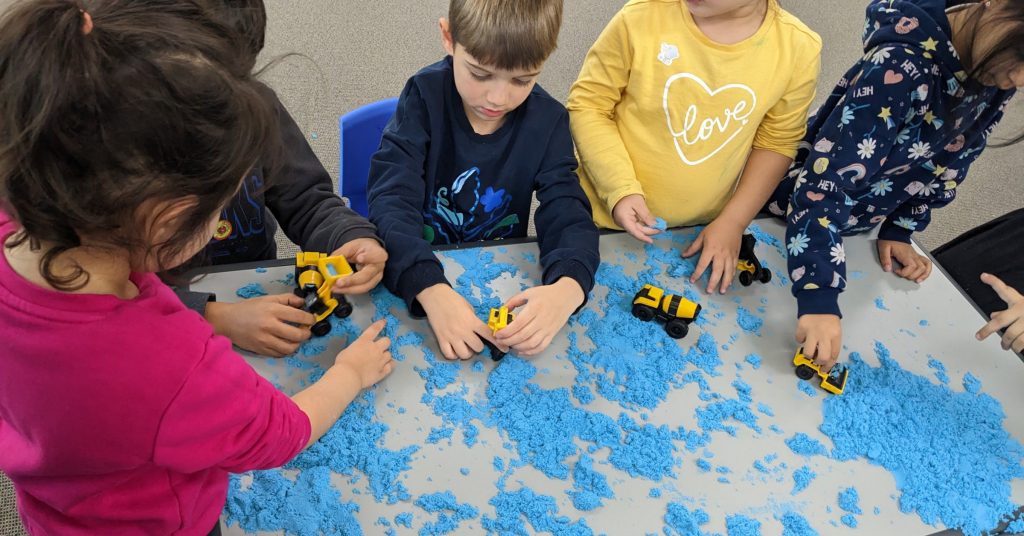
Social skills are foundational to a child’s development, influencing their ability to interact with peers, navigate social situations, and build relationships. In early childhood, these skills are particularly crucial as children begin to engage with others outside their immediate family. The ability to communicate effectively, share, take turns, and resolve conflicts lays the groundwork for future interpersonal relationships.
Research indicates that children who develop strong social skills are more likely to succeed academically and socially as they progress through school and into adulthood. They tend to have better emotional regulation, higher self-esteem, and a greater capacity for empathy. Moreover, social skills are not merely about making friends; they encompass a range of competencies that include understanding social cues, demonstrating appropriate behaviours in various contexts, and developing a sense of belonging within a community.
For instance, children learn to interpret body language and facial expressions, which are essential for effective communication. They also begin to understand the importance of cooperation and teamwork, which are vital in both personal and professional settings later in life. Thus, fostering social skills in early childhood is not just about immediate interactions; it is an investment in a child’s future well-being and success. Check out the Islamic prekindy program at https://islamicprekindy.com/.
Key Takeaways
- Social skills in early childhood are crucial for overall development and future success.
- Incorporating Islamic values and teachings can enhance social skill development in children.
- Creating a supportive and inclusive environment is essential for building strong social skills.
- Group activities and cooperative play can significantly enhance children’s social skills.
- Teaching empathy, kindness, and respect through Islamic teachings can positively impact social skill development.
- How Islamic prekindy teaches social skills for school
Incorporating Islamic values and teachings into social skill development

Incorporating Islamic values into the development of social skills provides a rich framework for nurturing children’s interpersonal abilities. Islamic teachings emphasize the importance of community, compassion, and respect for others, which can be seamlessly integrated into social skill development activities. For example, the concept of “Ummah,” or community, encourages children to see themselves as part of a larger group where mutual support and cooperation are paramount.
This perspective can help children understand the significance of working together and valuing each individual’s contributions. Additionally, Islamic teachings advocate for good manners and ethical behavior in interactions with others. The Prophet Muhammad (peace be upon him) exemplified kindness, patience, and respect in his dealings with people from all walks of life.
By sharing stories from the Hadith that illustrate these qualities, educators can provide concrete examples of how to practice social skills in everyday situations. For instance, teaching children the importance of saying “As-salamu alaykum” (peace be upon you) when greeting others fosters a sense of respect and warmth in their interactions. Such practices not only enhance social skills but also instill a sense of moral responsibility towards others.
Creating a supportive and inclusive environment for social skill building

A supportive and inclusive environment is essential for effective social skill development in early childhood settings. Such an environment encourages children to express themselves freely while feeling safe and accepted. Educators can create this atmosphere by establishing clear guidelines that promote respect and kindness among peers.
For instance, implementing a “kindness corner” where children can share positive affirmations or compliments about one another can foster a culture of appreciation and support. Moreover, inclusivity involves recognizing and valuing the diverse backgrounds and experiences of each child. By celebrating cultural differences through activities such as storytelling or sharing traditional foods, educators can help children appreciate diversity while building connections with their peers.
This approach not only enhances social skills but also cultivates an understanding of empathy and acceptance. When children feel valued for who they are, they are more likely to engage positively with others, leading to stronger social bonds.
Implementing group activities and cooperative play to enhance social skills
| Activity | Social Skill Enhanced | Metric |
|---|---|---|
| Team Building Games | Cooperation | Number of successful team completions |
| Role-playing Activities | Empathy | Observation of understanding and support among participants |
| Collaborative Art Projects | Communication | Frequency of verbal and non-verbal interactions |
| Group Problem-solving Tasks | Decision-making | Time taken to reach a consensus |
Group activities and cooperative play are powerful tools for enhancing social skills among young children. These activities provide opportunities for children to practice communication, negotiation, and teamwork in a structured yet enjoyable setting. For example, engaging children in collaborative projects such as building a fort or creating a mural encourages them to share ideas, listen to one another, and work towards a common goal.
Such experiences not only strengthen their social skills but also foster a sense of accomplishment and belonging. Incorporating games that require teamwork can further enhance these skills. Activities like relay races or group puzzles necessitate cooperation and strategic thinking.
Children learn to navigate challenges together, which helps them develop conflict resolution skills when disagreements arise. Additionally, these group dynamics allow children to observe different social behaviors in action, providing them with valuable lessons on how to interact effectively with others. By regularly integrating cooperative play into the curriculum, educators can create an engaging environment that promotes essential social competencies.
Teaching empathy, kindness, and respect through Islamic teachings

Empathy, kindness, and respect are core values in Islam that can significantly influence children’s social skill development. Teaching these values from an early age helps children understand the importance of considering others’ feelings and perspectives. For instance, educators can use stories from Islamic tradition that highlight acts of kindness performed by the Prophet Muhammad (peace be upon him) or his companions.
These narratives serve as powerful examples of how empathy can manifest in everyday interactions. Role-playing scenarios based on Islamic teachings can also be an effective method for instilling these values. Children can act out situations where they must demonstrate empathy or kindness towards others, allowing them to practice these behaviors in a safe environment.
For example, a role-play scenario might involve helping a friend who is feeling sad or sharing toys with someone who is new to the group. Through these activities, children learn not only the importance of being kind but also how their actions can positively impact those around them.
Encouraging communication and collaboration through Islamic stories and role-playing

Islamic stories provide rich material for encouraging communication and collaboration among young children. These narratives often contain moral lessons that emphasize the importance of working together and supporting one another. For example, stories about the companions of the Prophet Muhammad (peace be upon him) illustrate how teamwork and collaboration were essential in overcoming challenges faced by the early Muslim community.
By sharing these stories in an engaging manner—such as through puppet shows or interactive storytelling—educators can capture children’s attention while imparting valuable lessons. Role-playing based on these stories allows children to step into the shoes of characters who exemplify strong communication and collaboration skills. For instance, children could reenact the story of the construction of the first mosque in Medina, where community members came together to support one another in building a place of worship.
This activity not only reinforces the narrative but also encourages children to practice their communication skills as they discuss roles and responsibilities within the group. By integrating storytelling with role-playing, educators create dynamic learning experiences that promote essential social competencies.
Fostering positive relationships and friendships within the Islamic Prekindy community
Fostering positive relationships within the Islamic Prekindy community is vital for children’s social skill development. A strong sense of community encourages children to form friendships based on mutual respect and understanding. Educators can facilitate this process by organizing regular community-building activities that allow children to interact with one another in meaningful ways.
For example, hosting potluck lunches where families bring traditional dishes can create opportunities for children to bond over shared experiences while learning about each other’s cultures. Additionally, creating buddy systems or mentorship programs within the classroom can help children develop deeper connections with their peers. Pairing older children with younger ones fosters a sense of responsibility while providing opportunities for guidance and support.
This arrangement not only enhances social skills but also cultivates leadership qualities among older students as they learn to model positive behaviors for their younger counterparts. By prioritizing relationship-building within the Prekindy community, educators lay the groundwork for lasting friendships that extend beyond the classroom.
Evaluating and reinforcing social skill development through Islamic principles and practices
Evaluating social skill development is essential for understanding children’s progress and identifying areas for improvement. Educators can use various assessment methods to gauge children’s social competencies, such as observational checklists or peer feedback sessions. These evaluations should align with Islamic principles that emphasize fairness, respect, and encouragement rather than competition or judgment.
By focusing on individual growth rather than comparison with peers, educators create an environment where all children feel valued for their unique contributions. Reinforcing social skill development through Islamic practices can further enhance children’s learning experiences. For instance, incorporating daily reflections on acts of kindness or cooperation during circle time allows children to share their experiences while reinforcing positive behaviors.
Additionally, celebrating achievements—no matter how small—can motivate children to continue practicing their social skills. By integrating evaluation methods with Islamic principles, educators ensure that children’s social skill development is both meaningful and aligned with their cultural values.
If you are interested in learning more about Islamic schools and education for Muslim students, you may want to check out the article Discovering Islamic Schools Near Me: A Guide to Finding Quality Education for Muslim Students. This article provides valuable information on how to find and choose the right Islamic school for your child. It complements the topic of teaching social skills in Islamic prekindergarten by emphasizing the importance of quality education in a nurturing and supportive environment.
FAQs
What is Islamic prekindergarten?
Islamic prekindergarten is an early childhood education program that incorporates Islamic teachings and values into the curriculum. It aims to provide a strong foundation in both academic and Islamic knowledge for young children.
What social skills are taught in Islamic prekindergarten?
Islamic prekindergarten teaches a range of social skills including empathy, cooperation, communication, and conflict resolution. These skills are integrated with Islamic teachings to help children develop a strong moral compass and a sense of community.
How does Islamic prekindergarten incorporate Islamic teachings into social skill development?
Islamic prekindergarten incorporates Islamic teachings into social skill development by using stories from the Quran and Hadith to illustrate and reinforce positive social behaviors. Children are encouraged to emulate the examples set by Prophet Muhammad and other important figures in Islamic history.
What are the benefits of teaching social skills in Islamic prekindergarten?
Teaching social skills in Islamic prekindergarten helps children develop a strong sense of empathy, compassion, and respect for others. It also helps them build strong relationships with their peers and teachers, and prepares them for success in school and beyond.
How does Islamic prekindergarten prepare children for school?
Islamic prekindergarten prepares children for school by teaching them essential social skills, as well as academic skills such as literacy, numeracy, and critical thinking. It also instills a love for learning and a strong sense of identity and belonging within the Islamic community.