
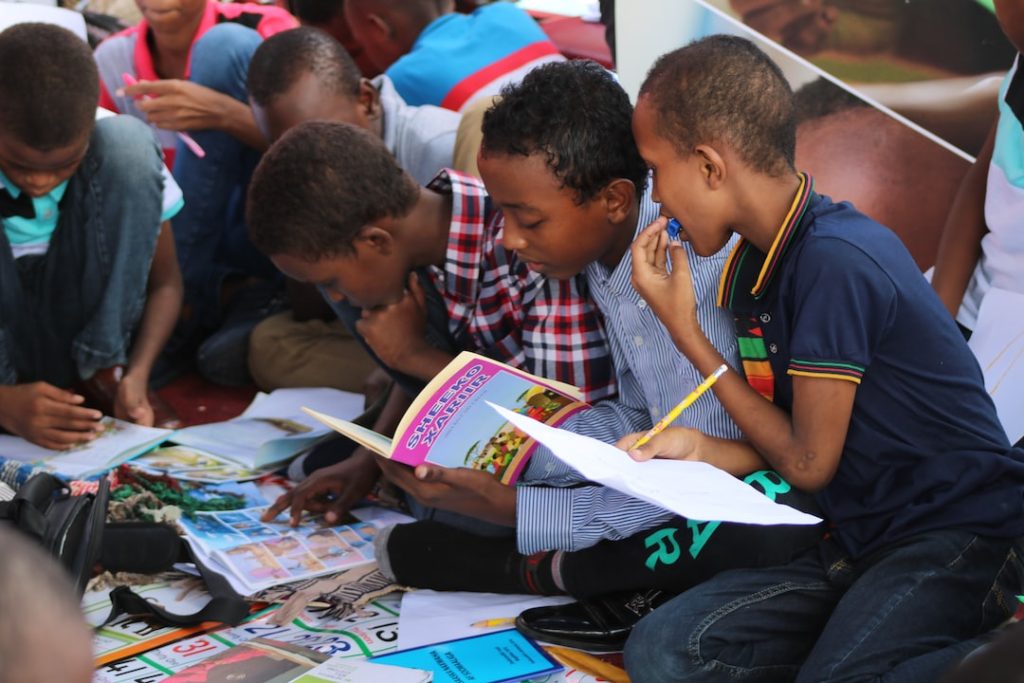
Islamic schools, also known as madrasas or Islamic educational institutions, are educational establishments that provide education based on Islamic principles and teachings. These schools aim to provide students with a comprehensive understanding of Islam, its values, and its teachings, alongside a standard academic curriculum. Islamic education has a long history, dating back to the time of Prophet Muhammad, who emphasized the importance of seeking knowledge and education.
Islamic education plays a crucial role in Muslim communities around the world. It not only provides students with a strong foundation in their faith but also equips them with the necessary knowledge and skills to navigate the modern world while staying true to their religious beliefs. Schools for Islam often prioritize character development, moral values, and community service alongside academic excellence.

Advantages of Islamic Education: A Comparative Study
When comparing Islamic schools to public schools, there are several advantages that Islamic education offers. Firstly, schools for Islam provide a curriculum that integrates Islamic teachings into various subjects such as science, mathematics, and literature. This allows students to see the relevance of their faith in their daily lives and fosters a holistic understanding of the world.
Secondly, schools for Islam create an environment that promotes Islamic values and ethics. Students are surrounded by peers who share their faith and are encouraged to practice their religion openly. This sense of community and shared values can have a positive impact on students’ overall well-being and sense of belonging.
Testimonials from students and parents who have experienced both types of education often highlight the benefits of Islamic education. They mention that schools for Islam provide a nurturing environment where students feel supported in their faith journey. Students also appreciate the emphasis on character development and moral values, which they believe prepares them for success in both this life and the hereafter.
Islamic Schools vs. Public Schools: Which One is Better?
When deciding between schools for Islam and public schools, it is important to consider the pros and cons of each. Public schools offer a diverse student body and a wide range of extracurricular activities. They also provide exposure to different cultures and beliefs, which can help students develop a broader perspective of the world.
On the other hand, schools for Islam offer a curriculum that integrates Islamic teachings into various subjects, providing students with a comprehensive understanding of their faith. They also create an environment that promotes Islamic values and ethics, which can be beneficial for students who want to grow in their faith.
To make an informed decision, parents should consider their child’s needs and preferences. If they prioritize a strong foundation in Islamic teachings and values, along with a supportive faith-based environment, schools for Islam may be the better choice. However, if they value diversity and exposure to different cultures and beliefs, a public school may be more suitable.
The Role of Islamic Schools in Developing Muslim Identity
In today’s world, where Muslims often face challenges to their identity and faith, it is crucial for young Muslims to develop a strong Muslim identity. Schools for Islam play a significant role in this development by providing an environment that fosters a sense of belonging and encourages students to embrace their faith.
Schools for Islam prioritize the teaching of Islamic values, ethics, and practices. Students are taught about the pillars of Islam, the life of Prophet Muhammad, and the importance of following the teachings of the Quran. This knowledge helps students develop a deep understanding of their faith and strengthens their connection to Islam.
Furthermore, schools for Islam often organize events and activities that celebrate Islamic holidays and traditions. This allows students to experience the richness of their culture and heritage firsthand. By immersing themselves in these experiences, students develop a sense of pride in their Muslim identity.
Examples of schools for Islam that prioritize Muslim identity development include the schools for Islam of Irving in Texas, USA, which offers a comprehensive Islamic studies program alongside its academic curriculum. The school aims to instill in its students a strong sense of Muslim identity and a commitment to serving their community.
Islamic Schools and Academic Excellence: A Winning Combination
Contrary to popular belief, schools for Islam are not solely focused on religious education. They also prioritize academic excellence and prepare students for higher education and career success. schools for Islam often follow a curriculum that meets or exceeds the standards set by public schools, ensuring that students receive a well-rounded education.
Schools for Islam place a strong emphasis on core subjects such as mathematics, science, language arts, and social studies. They also offer a range of extracurricular activities, including sports, arts, and clubs, to provide students with a holistic educational experience.
Success stories of schools for Islam graduates highlight the academic achievements of these institutions. Many graduates have gone on to attend prestigious universities and pursue successful careers in various fields. This demonstrates that schools for Islam can provide students with the necessary knowledge and skills to excel academically.
Islamic Schools and Social Responsibility: Fostering Community Values

Social responsibility is an important aspect of Islam, and schools for Islam play a vital role in teaching students to be responsible and active members of their communities. Schools for Islam often incorporate community service projects into their curriculum, allowing students to engage in acts of charity and service from a young age.
By participating in community service activities, students learn the importance of giving back and helping those in need. They develop empathy, compassion, and a sense of responsibility towards others. These values are integral to Islam and are emphasized in Islamic education.
Examples of schools for Islam that prioritize social responsibility include the Al-Rahmah School in Baltimore, USA, which encourages its students to engage in community service projects throughout the year. The school believes that by instilling a sense of social responsibility in its students, it is preparing them to become future leaders who will make positive contributions to society.
Islamic Schools and Gender Equality: Promoting Women’s Rights
There are often misconceptions about gender equality in Islam, but schools for Islam play a crucial role in promoting gender equality and women’s rights. Islamic education teaches that men and women are equal in the eyes of Allah and that they should be treated with respect and dignity.
Schools for Islam provide an environment where girls and boys are given equal opportunities to learn and excel. They promote the idea that women can pursue education, careers, and leadership roles just like men. By empowering girls and teaching them their rights, schools for Islam contribute to the advancement of women in society.
Success stories of female graduates from schools for Islam highlight the impact of these institutions on women’s empowerment. Many female graduates have gone on to become successful professionals, entrepreneurs, and community leaders. They credit their Islamic education for instilling in them the confidence and determination to pursue their dreams.
Schools for Islam and Multiculturalism: Embracing Diversity
In today’s globalized world, multiculturalism is an important value to promote. Schools for Islam recognise the importance of diversity and inclusivity and strive to create an environment that embraces people from different cultures, backgrounds, and beliefs.
Islamic schools often have a diverse student body, with students from various ethnicities and cultural backgrounds. This diversity allows students to learn from one another, appreciate different perspectives, and develop a global mindset.
Examples of schools for Islam that prioritize multiculturalism include the Australian International Academy in Melbourne, Australia, which celebrates cultural diversity through various events and activities. The school aims to create an inclusive environment where students feel valued and respected regardless of their cultural or religious background.
Islamic Schools and Parental Involvement: A Collaborative Approach
Parental involvement is crucial for a child’s education, and schools for Islam recognize the importance of collaboration between parents and educators. schools for Islam often involve parents in their children’s education through regular communication, parent-teacher conferences, and volunteer opportunities.
By involving parents in their children’s education, schools for Islam create a supportive and collaborative environment. Parents are able to stay informed about their child’s progress, provide additional support at home, and actively participate in their child’s educational journey.
The benefits of a collaborative approach between parents and schools are numerous. It strengthens the parent-school relationship, enhances student learning outcomes, and creates a sense of community among parents and educators.
Why Islamic Schools are a Smart Choice for Your Child’s Education
In conclusion, schools for Islam offer numerous advantages in terms of curriculum, values, environment, and community engagement. They provide students with a comprehensive understanding of Islam while also preparing them for academic success and personal growth.
Schools for Islam prioritize the development of Muslim identity, academic excellence, social responsibility, gender equality, multiculturalism, and parental involvement. These values and principles are integral to Islamic education and contribute to the holistic development of students.
If you are considering schools for Islam for your child’s education, it is important to research and visit different institutions to find the one that aligns with your child’s needs and preferences. By choosing schools for Islam, you are providing your child with an education that not only nurtures their faith but also equips them with the knowledge and skills to thrive in the modern world.
If you’re looking for an Islamic school that nurtures young minds with faith and education, you should check out the Islamic Prekindergarten in Bella Vista. This school is dedicated to providing a holistic learning experience for children, combining Islamic teachings with a comprehensive curriculum. They have a team of experienced educators who are passionate about creating a nurturing environment for children to thrive. To learn more about their team and their approach to education, visit their website at https://islamicprekindy.com/our-team/.
FAQs
What is an Islamic school?
A school that provides education based on Islamic principles and values. It aims to provide students with a comprehensive understanding of Islam and its teachings.
What subjects are taught in schools for Islam?
In addition to the standard subjects such as math, science, and language arts, schools for Islam also teach Islamic studies, Quranic studies, Arabic language, and Islamic history.
Who can attend schools for Islam?
Islamic schools are open to all students, regardless of their religion or background. However, the curriculum is based on Islamic principles and values, so students should be prepared to learn about and respect Islamic teachings.
What are the benefits of attending schools for Islam?
Attending schools for Islam can provide students with a strong foundation in Islamic teachings and values, as well as a sense of community and belonging. It can also help students develop a deeper understanding and appreciation of Islamic culture and history.
Are Islamic schools only for Muslims?
No, schools for Islam are open to students of all religions and backgrounds. However, the curriculum is based on Islamic principles and values, so students should be prepared to learn about and respect Islamic teachings.
Are schools for Islam accredited?
Yes, many schools for Islam are accredited by national or regional accrediting agencies. However, accreditation requirements may vary depending on the country or region. It is important to research the accreditation status of an Islamic school before enrolling.