
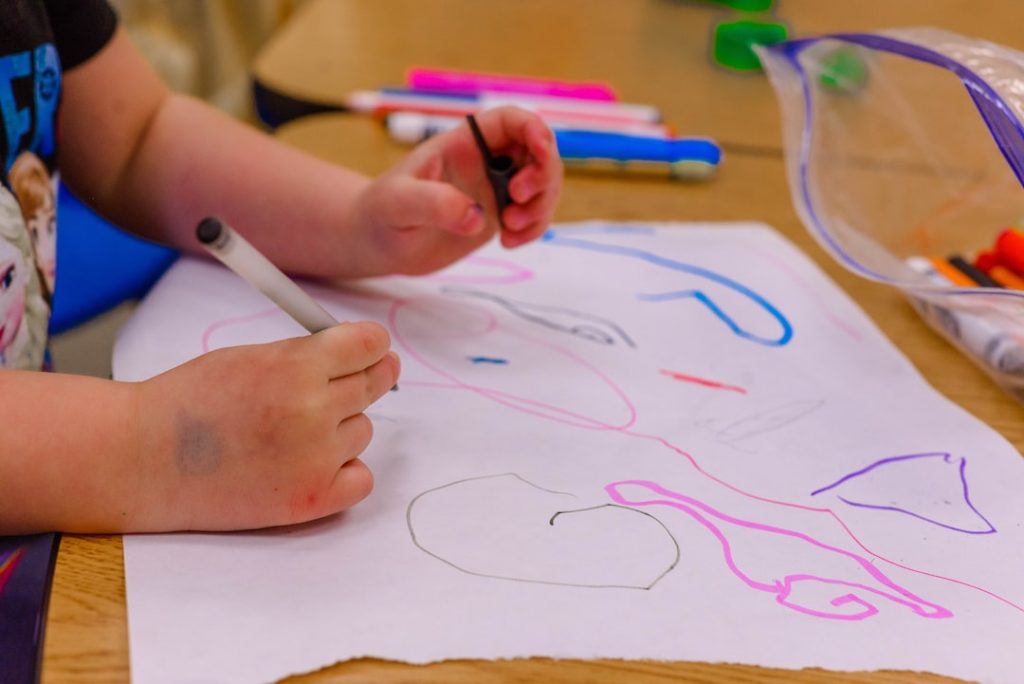
Islamic preschool education refers to early childhood education that is infused with Islamic values, teachings, and principles. It is a form of education that aims to provide young children with a strong foundation in their faith, while also nurturing their cognitive, social, and emotional development. Preschools for Islam typically incorporate Islamic teachings into their curriculum, ensuring that children are exposed to the teachings of the Quran and Hadiths from a young age.
Early childhood education is highly valued in Islam, as it is believed to be a critical period in a child’s development. During these formative years, children are like sponges, absorbing information and experiences that will shape their worldview and character. Islamic preschool education recognizes the importance of this period and seeks to provide children with a nurturing and enriching environment where they can learn about their faith and develop essential skills.
The Importance of Early Childhood Education in Islam
In Islam, the importance of education is emphasized in numerous Hadiths and Quranic verses. Prophet Muhammad (peace be upon him) said, “Seeking knowledge is obligatory upon every Muslim.” This highlights the significance of education in Islam and encourages Muslims to seek knowledge throughout their lives. Furthermore, the Quran states, “Read! In the name of your Lord who created.” This verse emphasizes the importance of literacy and learning.
Parents and teachers play a crucial role in providing early childhood education in Islam. Parents are considered the first educators of their children and are responsible for instilling Islamic values and teachings in them from a young age. They are encouraged to create an environment at home that promotes learning and fosters a love for knowledge. Teachers, on the other hand, have the responsibility of building upon this foundation and providing children with a comprehensive education that encompasses both secular knowledge and Islamic teachings.
Islamic Values and Ethics in Preschool Education
One of the key aspects of Islamic preschool education is the incorporation of Islamic values and ethics into the curriculum. Children are taught about the importance of kindness, honesty, respect, and compassion towards others. They learn about the concept of Tawheed (the oneness of Allah) and the importance of following the teachings of Prophet Muhammad (peace be upon him).
By integrating Islamic values and ethics into the curriculum, children are not only learning about their faith, but they are also developing important character traits that will guide them throughout their lives. They learn to treat others with kindness and respect, to be honest in their dealings, and to have empathy for those in need. These values form the foundation of a strong moral compass and help children develop into responsible and compassionate individuals.
Enhancing Cognitive and Social Development through Islamic Education
Islamic education can have a significant impact on a child’s cognitive and social development. By learning Arabic and Quranic verses at a young age, children are exposed to a new language and develop their linguistic skills. This early exposure to Arabic can also make it easier for them to learn the Quran later in life.
Furthermore, Islamic education encourages critical thinking and problem-solving skills. Children are encouraged to ask questions, explore different perspectives, and think critically about the teachings of Islam. This fosters intellectual growth and helps children develop a deeper understanding of their faith.
In terms of social development, Preschools for Islam promotes positive social interactions and teaches children how to interact with others respectfully. They learn about the importance of cooperation, teamwork, and empathy. Through group activities, discussions, and role-playing exercises, children develop their social skills and learn how to navigate social situations.
Building a Strong Foundation for Faith through Islamic Preschool Education
Islamic education in preschools plays a crucial role in building a strong foundation for faith in young children. It provides them with a solid understanding of the pillars of Islam, such as prayer, fasting, charity, and pilgrimage. Children learn about the importance of these practices and are encouraged to develop a personal connection with Allah.
By learning about their faith from a young age, children develop a sense of identity and belonging within the Muslim community. They understand the significance of their beliefs and are more likely to continue practising Islam as they grow older. Islamic education in preschools helps instil a love for Allah and a desire to please Him, which becomes the driving force behind their actions and decisions.
Developing a Love for Learning and Knowledge in Young Minds
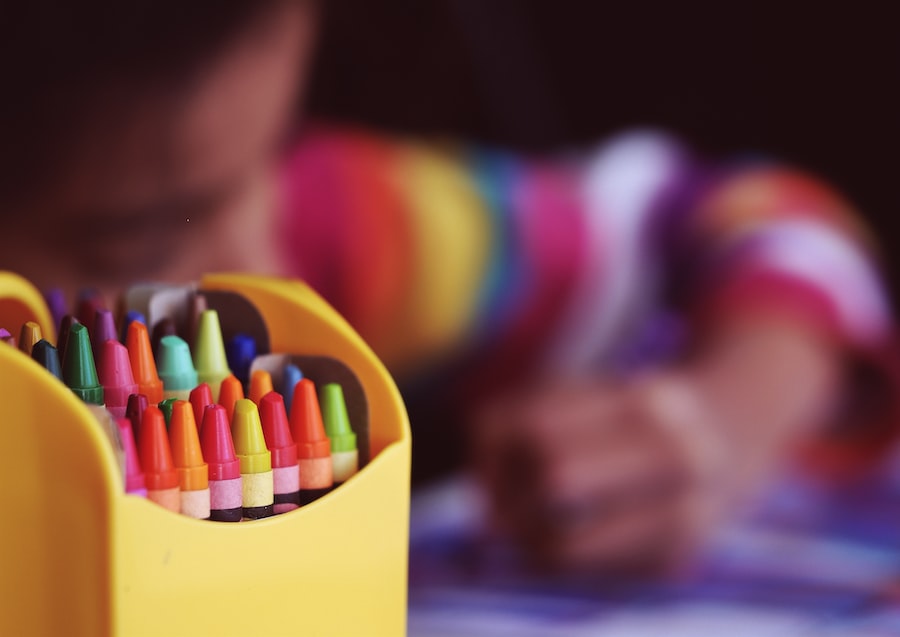
Islamic education in preschools fosters a love for learning and knowledge in young minds. By incorporating interactive and engaging teaching methods, children are encouraged to actively participate in their learning. They are given opportunities to explore, experiment, and discover new things.
A child-centred approach to education is often adopted in preschools for Islam, where the interests and abilities of each child are taken into consideration. This approach recognizes that every child is unique and has different learning styles. By tailoring the curriculum to meet the needs of individual children, preschools for Islam create an environment where children feel valued and motivated to learn.
The Role of Islamic Preschool Education in Fostering Creativity and Imagination
Islamic education in preschools recognizes the importance of fostering creativity and imagination in young children. Through art, music, storytelling, and play, children are encouraged to express themselves creatively and develop their imagination.
Art activities allow children to explore different mediums, colors, and textures, while also providing them with an opportunity to express their thoughts and emotions. Music helps stimulate cognitive development and enhances memory skills. Storytelling exposes children to different narratives and helps them develop their listening skills.
By incorporating these creative elements into the curriculum, preschools for Islam provide children with a well-rounded education that nurtures their cognitive, emotional, and creative development.
Creating a Safe and Nurturing Environment for Young Children to Learn and Grow
Creating a safe and nurturing environment is of utmost importance in Islamic education in preschools. Young children need to feel secure and supported to learn and grow. Islamic preschools strive to create an environment where children feel loved, respected, and valued.
Teachers in preschools for Islam are trained to provide a nurturing and supportive atmosphere for children. They create a sense of belonging by fostering positive relationships with each child and promoting a culture of inclusivity and acceptance. Children are encouraged to express their thoughts and emotions freely, knowing that they will be listened to and understood.
Furthermore, preschools for Islam prioritize the safety and well-being of children. They have strict policies in place to ensure the physical safety of children, as well as measures to protect their emotional well-being. By creating a safe and nurturing environment, preschools for Islam provide children with the optimal conditions for learning and growth.
Empowering Young Muslims through Islamic Preschool Education
Islamic education in preschools empowers young Muslims by providing them with knowledge about their faith, history, and culture. Children learn about the lives of the Prophet Muhammad (peace be upon him) and other important figures in Islamic history. They develop an understanding of the struggles faced by Muslims throughout history and learn about the contributions made by Muslims in various fields.
By learning about their heritage, young Muslims develop a sense of pride in their identity and are empowered to make positive contributions to society. They understand the importance of upholding Islamic values and principles in their daily lives.
The Benefits of Islamic Preschool Education for the Future of the Muslim Ummah
Investing in Islamic education in preschools has long-term benefits for the Muslim Ummah. By providing young children with a strong foundation in their faith, Islam preschools contribute to the development of a generation of Muslims who are knowledgeable about their religion and committed to practising it.
Furthermore, Islam preschool education helps shape the character and values of young Muslims, instilling in them a sense of responsibility, compassion, and integrity. These qualities are essential for building strong communities and contributing positively to society.
By investing in early childhood education, the Muslim Ummah is investing in its future. Islam preschools play a vital role in shaping the next generation of Muslims, who will go on to become leaders, scholars, and contributors to their communities.
Conclusion:
Islam preschool education is a valuable investment for young Muslims and the Muslim Ummah as a whole. It provides children with a strong foundation in their faith, while also nurturing their cognitive, social, and emotional development. By incorporating Islamic values and ethics into the curriculum, children learn about the importance of kindness, honesty, and respect.
Islam preschool education enhances cognitive and social development by exposing children to Arabic and Quranic verses at a young age. It fosters a love for learning and knowledge through a child-centred approach to education. Furthermore, it fosters creativity and imagination through art, music, storytelling, and play.
Islam preschools create a safe and nurturing environment where children can learn and grow. They empower young Muslims by providing them with knowledge about their faith, history, and culture. Ultimately, investing in Islam preschool education is an investment in the future of the Muslim Ummah, as it helps shape a generation of Muslims who are knowledgeable, compassionate, and committed to practising their faith.
If you’re looking for more information about Islamic preschools, you might be interested in reading the article “Nurturing Young Minds with Faith and Education at Islamic Prekindergarten in Bella Vista.” This article discusses how the Islamic Prekindergarten in Bella Vista provides a nurturing environment that combines faith and education to help young children develop holistically. To learn more about this Islam preschool and its approach, click here.
FAQs
What is an Islamic preschool?
It’s a preschool that incorporates Islamic teachings and values into its curriculum and daily activities.
What age group does an Islam preschool cater to?
Islam preschools typically cater to children between the ages of 3 and 5 years old.
What kind of curriculum does an Islam preschool follow?
An Islam preschool typically follows a curriculum that includes Islamic studies, Arabic language, Quranic recitation, and basic Islamic teachings.
What are the benefits of sending a child to an Islam preschool?
Sending a child to an Islamic preschool can help instil Islamic values and teachings at an early age, provide a strong foundation for future Islamic education, and create a sense of community among Muslim families.
Are non-Muslim children allowed to attend an Islam preschool?
Non-Muslim children are typically allowed to attend Islam preschools, but they may not be required to participate in Islamic studies or activities.
Are Islamic preschools regulated by the government?
Preschools for Islam are typically regulated by the same government agencies that regulate other preschools, such as the Department of Education or the Department of Social Services.