
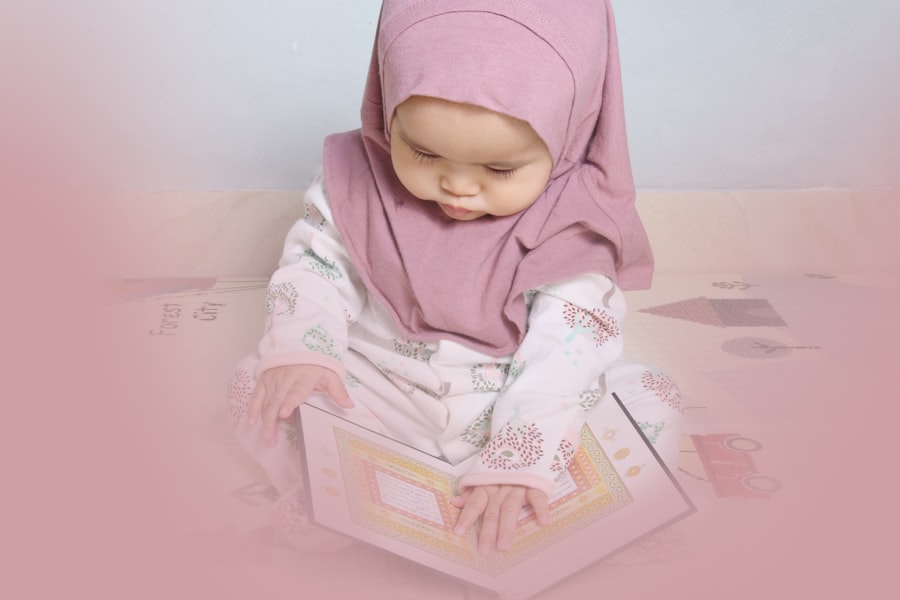
Liverpool’s Centre for Islamic Early Learning stands as a beacon of educational innovation, dedicated to nurturing the minds and spirits of young children within the framework of Islamic teachings. Established with the vision of providing a holistic educational experience, the Centre integrates traditional Islamic values with modern pedagogical approaches. This initiative recognizes the critical role that early childhood education plays in shaping a child’s identity, character, and understanding of their faith.
By fostering an environment that is both nurturing and intellectually stimulating, the Centre aims to equip children with the skills and knowledge necessary to thrive in a diverse world while remaining grounded in their Islamic heritage. The Centre is strategically located in Liverpool, a city known for its rich cultural tapestry and vibrant Muslim community. This geographical positioning allows it to serve a diverse population, welcoming children from various backgrounds and fostering an inclusive atmosphere.
The Centre’s commitment to excellence in early learning is reflected in its state-of-the-art facilities, dedicated staff, and comprehensive curriculum designed to meet the developmental needs of young learners. As families increasingly seek educational environments that align with their values, Liverpool’s Centre for Islamic Early Learning emerges as a vital resource for parents looking to instill a strong foundation of faith and knowledge in their children. Check out the Islamic prekindy program at https://islamicprekindy.com/.
Key Takeaways
- Islamic early learning centre Liverpool provides a nurturing and supportive environment for young children to learn about Islamic values and ethics.
- Early learning in Islamic education is crucial for laying a strong foundation for a child’s spiritual, moral, and intellectual development.
- The centre’s curriculum and teaching methods are designed to integrate Islamic teachings into various subjects and activities, fostering a holistic approach to education.
- Islamic values and ethics are woven into every aspect of the centre’s early learning program, promoting character development and moral growth in young children.
- Islamic early learning has a profound impact on child development, shaping their identity, values, and worldview from a young age.
The Importance of Early Learning in Islamic Education
The Importance of Knowledge Acquisition
The teachings of Islam emphasize the importance of knowledge acquisition from a young age, as reflected in the Hadith: “Seeking knowledge is an obligation upon every Muslim.” This principle underscores the necessity of providing children with an educational environment that not only imparts academic skills but also nurtures their spiritual growth.
Fostering a Sense of Belonging and Identity
Early learning in Islamic education fosters a sense of belonging and identity among young Muslims. By engaging with stories from the Quran and Hadith, children learn about their faith in a manner that is relatable and age-appropriate. This early exposure helps them internalize Islamic values such as compassion, honesty, and respect for others.
Encouraging Critical Thinking and Personal Reflection
Additionally, it encourages them to ask questions and seek understanding, laying the foundation for critical thinking and personal reflection as they grow older. The integration of Islamic teachings into early learning not only enriches children’s educational experiences but also strengthens their connection to their cultural and religious heritage.
Curriculum and Teaching Methods at Islamic Early Learning Centre Liverpool

At Liverpool’s Centre for Islamic Early Learning, the curriculum is meticulously designed to balance academic rigor with spiritual development. The Centre employs a play-based learning approach that recognizes the importance of play in children’s cognitive, social, and emotional development. This method allows children to explore concepts through hands-on activities, fostering creativity and curiosity while simultaneously embedding Islamic teachings into everyday learning experiences.
For instance, storytelling sessions may incorporate tales from Islamic history or parables that illustrate moral lessons, making learning both engaging and meaningful. In addition to play-based learning, the Centre emphasizes experiential learning opportunities that connect children with their community and environment. Field trips to local mosques, cultural events, and community service projects are integral components of the curriculum.
These experiences not only enhance children’s understanding of their faith but also promote social skills and teamwork. Furthermore, educators at the Centre are trained to employ diverse teaching strategies that cater to various learning styles, ensuring that each child receives personalized attention and support. This commitment to individualized learning helps children build confidence in their abilities while fostering a love for knowledge.
The Role of Islamic Values and Ethics in Early Learning
| Metrics | Findings |
|---|---|
| Impact on Moral Development | Positive influence on children’s moral development through teachings of compassion, honesty, and respect. |
| Social Skills Development | Encourages empathy, cooperation, and sharing among children, fostering strong social skills. |
| Cognitive Development | Integration of Islamic values in early learning enhances critical thinking and problem-solving abilities. |
| Emotional Well-being | Promotes emotional resilience and self-regulation through teachings of patience, gratitude, and forgiveness. |
Islamic values and ethics play a central role in shaping the educational philosophy at Liverpool’s Centre for Islamic Early Learning. The curriculum is infused with principles derived from the Quran and Sunnah, guiding children in their interactions with peers and adults alike. Concepts such as kindness, empathy, and justice are not merely taught but are modeled by educators who embody these values in their daily interactions.
This approach creates a nurturing environment where children feel safe to express themselves and develop strong moral compasses. Moreover, the Centre places a strong emphasis on character education, encouraging children to reflect on their actions and understand the consequences of their choices. Activities designed to promote ethical reasoning often involve group discussions where children can share their thoughts on various scenarios related to honesty, respect, and responsibility.
By engaging in these conversations, children learn to navigate complex social situations while grounding their decisions in Islamic teachings. This focus on ethics not only prepares them for future challenges but also instills a sense of accountability and integrity that will serve them throughout their lives.
The Impact of Islamic Early Learning on Child Development

The impact of Islamic early learning on child development is profound and multifaceted. Research has consistently shown that early childhood education significantly influences cognitive development, social skills, and emotional well-being. At Liverpool’s Centre for Islamic Early Learning, this impact is amplified by the integration of Islamic principles into every aspect of the educational experience.
Children who engage with an Islamic curriculum are more likely to develop a strong sense of self-worth and resilience as they learn to navigate their identities within both their faith community and the broader society. Furthermore, studies indicate that children who receive early education grounded in cultural and religious values tend to exhibit higher levels of empathy and social awareness. By participating in activities that promote cooperation and understanding among peers, children at the Centre develop essential interpersonal skills that are crucial for success in later life.
The emphasis on community involvement also fosters a sense of belonging and connectedness, which is vital for emotional health. As children learn about their responsibilities towards others through Islamic teachings, they cultivate a spirit of service that encourages them to contribute positively to society.
Parental Involvement and Support at Liverpool’s Centre

Parental involvement is a cornerstone of the educational philosophy at Liverpool’s Centre for Islamic Early Learning. Recognizing that parents are children’s first teachers, the Centre actively encourages families to engage in their children’s learning journeys. Regular workshops and informational sessions are organized to equip parents with tools and strategies to reinforce Islamic values at home.
These initiatives foster a collaborative relationship between educators and families, ensuring that children receive consistent messages about faith and education both at school and at home. Additionally, the Centre provides opportunities for parents to participate in school activities, such as cultural celebrations or community service projects. These events not only strengthen the bond between families but also create a supportive network where parents can share experiences and resources.
By involving parents in the educational process, Liverpool’s Centre cultivates a sense of ownership among families regarding their children’s education. This partnership ultimately enhances children’s learning experiences as they see their parents actively engaged in their growth and development.
Community Engagement and Outreach Programs
Liverpool’s Centre for Islamic Early Learning extends its impact beyond its immediate student body through various community engagement and outreach programs. Understanding the importance of building bridges within the broader community, the Centre actively seeks partnerships with local organizations, schools, and community centers. These collaborations often result in joint initiatives aimed at promoting intercultural understanding and respect among diverse populations.
One notable outreach program involves organizing interfaith dialogues where children from different backgrounds come together to share stories, traditions, and experiences related to their respective faiths. Such initiatives not only enrich children’s understanding of diversity but also foster mutual respect and empathy among young learners. Additionally, the Centre hosts community events that invite families from all walks of life to participate in cultural celebrations or educational workshops focused on topics such as healthy living or environmental stewardship.
By engaging with the wider community, Liverpool’s Centre for Islamic Early Learning reinforces its commitment to social responsibility while promoting an inclusive environment where all individuals feel valued.
Future Developments and Expansion Plans for Liverpool’s Centre
As Liverpool’s Centre for Islamic Early Learning continues to grow in popularity and influence within the community, plans for future developments are already underway. Recognizing the increasing demand for quality early education rooted in Islamic values, the Centre aims to expand its facilities to accommodate more students while enhancing its offerings. Future plans include developing additional classrooms equipped with modern technology to support innovative teaching methods and provide students with access to digital resources.
Moreover, there is a vision to introduce specialized programs focusing on areas such as arts education or STEM (science, technology, engineering, mathematics) within an Islamic framework. These initiatives would not only diversify the curriculum but also prepare students for future academic pursuits in an increasingly competitive world. The Centre also seeks to establish partnerships with universities and educational institutions to create pathways for professional development among educators, ensuring that they remain at the forefront of best practices in early childhood education.
In conclusion, Islamic early learning centre Liverpool stands as a model for integrating faith-based education with modern pedagogical approaches. Through its commitment to nurturing young minds within an environment steeped in Islamic values, it plays a pivotal role in shaping future generations who are not only knowledgeable but also compassionate citizens ready to contribute positively to society.
If you are interested in learning more about Islamic childcare programs, you may want to check out the article on Islamic Childcare in Bella Vista. This article provides information on the importance of early childhood education in an Islamic environment and how it can benefit young children. It also discusses the various activities and programs offered at the Islamic childcare center in Bella Vista.
FAQs
What is an Islamic early learning centre?
An Islamic early learning centre is a childcare facility that provides early childhood education with a focus on Islamic teachings, values, and principles. It aims to create a nurturing and supportive environment for young children to learn about their faith while also developing essential skills and knowledge.
What are the benefits of enrolling a child in an Islamic early learning centre?
Enrolling a child in an Islamic early learning centre can provide them with a strong foundation in Islamic teachings and values, as well as a well-rounded early childhood education. It can also help children develop a sense of identity and belonging within their faith community.
What can parents expect from an Islamic early learning centre in Liverpool?
Parents can expect Islamic early learning centre Liverpool to provide a comprehensive early childhood education program that integrates Islamic teachings and values into the curriculum. The centre may also offer a range of activities, such as Quranic recitation, Islamic stories, and Arabic language learning.
How can I find an Islamic early learning centre in Liverpool?
To find an Islamic early learning centre in Liverpool, parents can conduct online research, ask for recommendations from their local mosque or Islamic community, and visit the centres in person to learn more about their programs and facilities. It is important to ensure that the centre is licensed and meets all regulatory requirements for childcare facilities.