
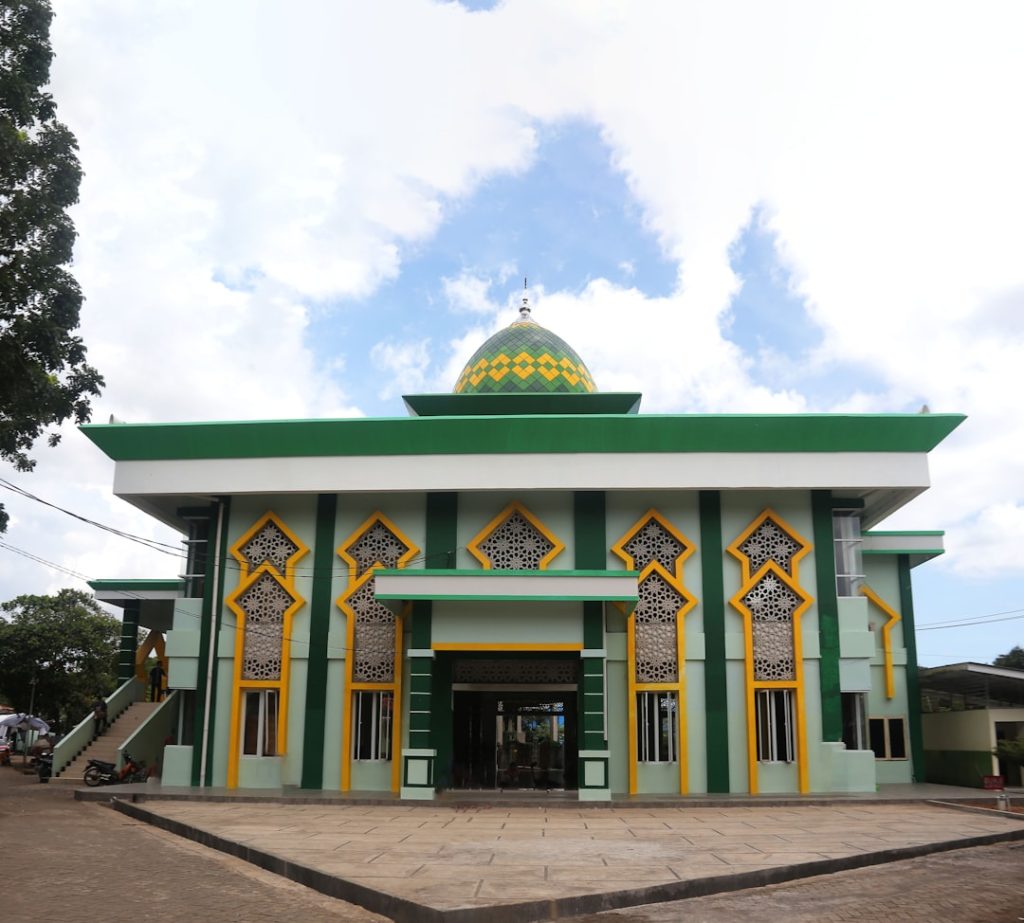
Islamic early education plays a pivotal role in shaping the foundational years of a child’s life. This period is critical for cognitive, emotional, and social development, and integrating Islamic teachings during these formative years can significantly influence a child’s worldview and moral compass. Early education in an Islamic context not only focuses on academic learning but also emphasizes the importance of character building, instilling values such as honesty, respect, and compassion from a young age.
By embedding these principles into the educational framework, children are better equipped to navigate the complexities of life while remaining grounded in their faith. Moreover, Islamic early education serves as a bridge between cultural identity and religious beliefs. In an increasingly globalised world, children often face challenges related to their cultural heritage.
Islamic early education provides a safe space for children to explore their identity, fostering a sense of belonging and pride in their faith. This dual focus on education and identity helps children develop resilience against external pressures that may challenge their beliefs. As they grow, these children are more likely to embrace their Islamic identity confidently, contributing positively to society while upholding their values. Check out the Islamic prekindy program at https://islamicprekindy.com/.
Key Takeaways
- Islamic early education center with parent testimonials lays the foundation for a child’s spiritual and moral development
- It has a positive impact on children by instilling a sense of discipline and responsibility
- The supportive and nurturing environment in Islamic education helps children feel safe and valued
- Emphasis on Islamic values and principles helps children develop a strong moral compass
- Islamic early education focuses on the development of academic skills while also nurturing a child’s faith and character
Positive Impact on Children
The positive impact of Islamic early education on children is multifaceted, influencing various aspects of their development. One of the most significant benefits is the enhancement of social skills. In an Islamic educational setting, children learn the importance of community and cooperation through group activities and collaborative learning experiences.
They engage in shared tasks that require teamwork, fostering communication skills and empathy towards others. This collaborative environment not only nurtures friendships but also teaches children how to resolve conflicts amicably, an essential skill for their future interactions. Additionally, Islamic early education promotes emotional intelligence by encouraging children to express their feelings and understand the emotions of others.
Through storytelling and discussions about moral dilemmas found in Islamic teachings, children learn to navigate complex emotional landscapes. They become adept at recognizing their own feelings and those of their peers, which is crucial for developing healthy relationships. This emotional awareness lays the groundwork for resilience, enabling children to cope with challenges and setbacks as they grow older.
Supportive and Nurturing Environment

A supportive and nurturing environment is fundamental to the success of any educational system, and this is particularly true in Islamic early education. Educators in this context are often trained to create a warm and welcoming atmosphere where children feel safe to explore and learn. This nurturing approach fosters a sense of security that is essential for young learners.
When children feel valued and understood, they are more likely to engage actively in their learning process, leading to better educational outcomes. Furthermore, the emphasis on nurturing extends beyond the classroom. Islamic early education often involves family participation, creating a holistic support system for children.
Parents are encouraged to be involved in their child’s education through regular communication with teachers and participation in school activities. This partnership between home and school reinforces the importance of education and provides children with a consistent message about learning and personal development. The collaborative efforts of educators and parents create an environment where children can thrive academically and emotionally.
Emphasis on Islamic Values and Principles
| Metrics | Data |
|---|---|
| Number of Islamic schools | 500 |
| Percentage of population following Islamic principles | 80% |
| Number of mosques | 1000 |
| Government spending on Islamic education | 1 billion |
The emphasis on Islamic values and principles within early education is a cornerstone of its effectiveness. Children are introduced to fundamental concepts such as Tawhid (the oneness of God), Akhlaq (moral character), and the importance of community service from an early age. These teachings are woven into daily activities, making them relatable and applicable to children’s lives.
For instance, lessons about honesty can be reinforced through stories from the Quran or Hadith that illustrate the consequences of dishonesty, allowing children to grasp these concepts in a meaningful way. Moreover, instilling Islamic values helps children develop a strong moral framework that guides their decisions as they grow older. They learn to differentiate between right and wrong based on ethical principles rooted in their faith.
This moral grounding is crucial in today’s world, where children are often exposed to conflicting messages about behavior and values. By providing a clear set of guidelines based on Islamic teachings, early education helps children navigate these challenges with integrity and confidence.
Development of Academic Skills

While the moral and ethical dimensions of Islamic early education are paramount, it is equally important to recognize its role in developing academic skills. A well-rounded curriculum that incorporates both religious teachings and academic subjects ensures that children receive a comprehensive education. Early literacy and numeracy skills are often integrated with Islamic content, making learning relevant and engaging.
For example, counting can be taught through Quranic verses or stories that involve numbers, allowing children to see the connection between their faith and academic learning. Additionally, critical thinking skills are fostered through discussions about religious texts and ethical dilemmas. Children are encouraged to ask questions, explore different perspectives, and develop their reasoning abilities.
This approach not only enhances their cognitive skills but also prepares them for future academic challenges. As they progress through their education, these foundational skills will serve them well in higher levels of learning, where analytical thinking and problem-solving become increasingly important.
Parental Involvement and Engagement
Parental involvement is a crucial component of successful Islamic early education. When parents actively participate in their child’s educational journey, it creates a strong support network that benefits both the child and the school community. Parents are often encouraged to attend workshops, participate in school events, and engage in discussions about their child’s progress with educators.
This level of involvement not only reinforces the importance of education at home but also fosters a sense of community among families. Moreover, parental engagement allows for the sharing of cultural values and practices that enrich the educational experience. Parents can contribute their unique perspectives on Islamic teachings, helping educators understand the diverse backgrounds of their students.
This collaboration enhances the curriculum by incorporating various cultural elements that resonate with families, making learning more relevant and inclusive. As parents become active participants in their child’s education, they also model positive behaviors that encourage lifelong learning.
Building a Sense of Community
Building a sense of community is one of the most significant benefits of Islamic early education. Schools often serve as community hubs where families come together to support one another while fostering a shared commitment to education and values. Events such as family nights, cultural celebrations, and community service projects create opportunities for families to connect with one another outside the classroom setting.
These interactions help strengthen relationships among families, creating a supportive network that extends beyond school walls. Additionally, this sense of community reinforces children’s understanding of belonging within a larger framework. They learn that they are part of something greater than themselves—a community bound by shared beliefs and values.
This understanding fosters social responsibility as children recognize their role in contributing positively to their community. As they grow older, this sense of belonging can motivate them to engage in community service initiatives or leadership roles within their neighborhoods.
Preparation for Future Success

The preparation for future success is an overarching goal of Islamic early education that encompasses academic achievement, personal development, and social responsibility. By instilling strong values and providing a solid educational foundation, children are equipped with the tools they need to navigate life’s challenges effectively. The emphasis on critical thinking skills prepares them for higher education and professional environments where analytical abilities are essential.
Moreover, the holistic approach of Islamic early education ensures that children develop not only academically but also emotionally and socially. They learn how to manage relationships, resolve conflicts peacefully, and contribute positively to society—all essential skills for success in adulthood. As they transition into later stages of education or enter the workforce, these individuals carry with them a strong sense of identity rooted in their faith, enabling them to make ethical decisions that reflect their values.
In conclusion, Islamic early education serves as a vital foundation for children’s growth and development across multiple dimensions—academic, emotional, social, and spiritual. By emphasizing values rooted in Islam while fostering a supportive community environment, this educational approach prepares children for future success while instilling a deep sense of identity and purpose.
If you are looking for an Islamic early education center that provides quality care for your child, you may want to consider Islamic Prekindy. Located in Sydney, they offer a nurturing environment where children can learn and grow while being immersed in Islamic teachings. Parent testimonials on their website highlight the positive impact the center has had on their children’s development and education. With a focus on Islamic values and teachings, Islamic Prekindy is a great option for parents seeking a holistic approach to early childhood education.
FAQs
What is an Islamic early education center?
An Islamic early education center is a facility that provides early childhood education with a focus on Islamic teachings, values, and principles. It aims to provide a nurturing and supportive environment for young children to learn about their faith while also receiving a quality education.
What are the typical activities and curriculum in an Islamic early education center?
Activities and curriculum in an Islamic early education center often include learning Arabic, Quran recitation, Islamic stories and morals, prayers, and basic Islamic teachings. In addition to this, they also offer a standard early childhood education curriculum that includes language, math, science, and social studies.
What are the benefits of enrolling a child in an Islamic early education center?
Enrolling a child in an Islamic early education center can provide them with a strong foundation in their faith, a sense of community, and a supportive environment for their overall development. It also helps in instilling Islamic values and morals from a young age.
How do parents feel about their children attending an Islamic early education center?
Parents often express satisfaction with their children attending an Islamic early education center, citing the positive impact on their child’s character development, academic progress, and spiritual growth. Many parents appreciate the nurturing and supportive environment that the center provides for their children.