

Early literacy is a foundational element of a child’s educational journey, particularly in Pre-K settings where the groundwork for future learning is laid. Research consistently shows that children who develop strong literacy skills at an early age are more likely to succeed academically and socially throughout their schooling. This is particularly crucial in Pre-K education, where children are introduced to the world of letters, sounds, and words.
Engaging with books, storytelling, and phonemic awareness activities not only enhances language skills but also fosters cognitive development, critical thinking, and creativity. The ability to read and write is not merely an academic skill; it is a vital tool for communication and self-expression that shapes a child’s identity and worldview. Moreover, early literacy experiences can significantly influence a child’s emotional and social development.
When children engage in literacy activities, they learn to share ideas, listen to others, and express their thoughts clearly. These interactions are essential for building social skills and confidence. In a Pre-K environment, where children are often navigating new relationships and experiences, literacy can serve as a bridge to connect with peers and educators.
By fostering a love for reading and writing from an early age, educators can help children develop a sense of agency and empowerment that will serve them well throughout their lives. Check out the Islamic prekindy program at https://islamicprekindy.com/.
Key Takeaways
- Early literacy in pre-K education is crucial for laying the foundation for future academic success and lifelong learning.
- Understanding the unique needs of Muslim pre-K students is essential for creating an inclusive and supportive learning environment.
- Empowering Muslim Pre-K with Literacy can be achieved through culturally responsive teaching strategies and resources.
- Incorporating Islamic culture and values into literacy education can help students feel a sense of belonging and pride in their identity.
- Building a supportive and inclusive learning environment for Muslim pre-K students involves collaboration with families and community members to create a sense of belonging and support.
Understanding the Unique Needs of Muslim Pre-K Students
Muslim Pre-K students come from diverse backgrounds, each with unique cultural and linguistic experiences that shape their approach to learning. Understanding these differences is crucial for educators who aim to create an inclusive and effective learning environment. Many Muslim families may prioritize bilingualism, with children often exposed to both their native language and English.
This bilingual experience can be an asset in literacy development, as research indicates that children who are bilingual often have enhanced cognitive flexibility and problem-solving skills. However, educators must be mindful of the potential challenges that come with navigating multiple languages, such as varying levels of proficiency in English. Additionally, cultural values play a significant role in shaping the educational experiences of Muslim students.
For instance, many Muslim families emphasize the importance of community, respect for elders, and the value of education as a means of personal and communal growth. Educators should recognize these cultural dimensions and incorporate them into their teaching practices. This might involve integrating culturally relevant materials into the curriculum or creating opportunities for students to share their cultural stories and experiences.
By acknowledging and valuing the unique backgrounds of Muslim Pre-K students, educators can foster a sense of belonging and encourage active participation in the learning process.
Strategies for Empowering Muslim Pre-K with Literacy
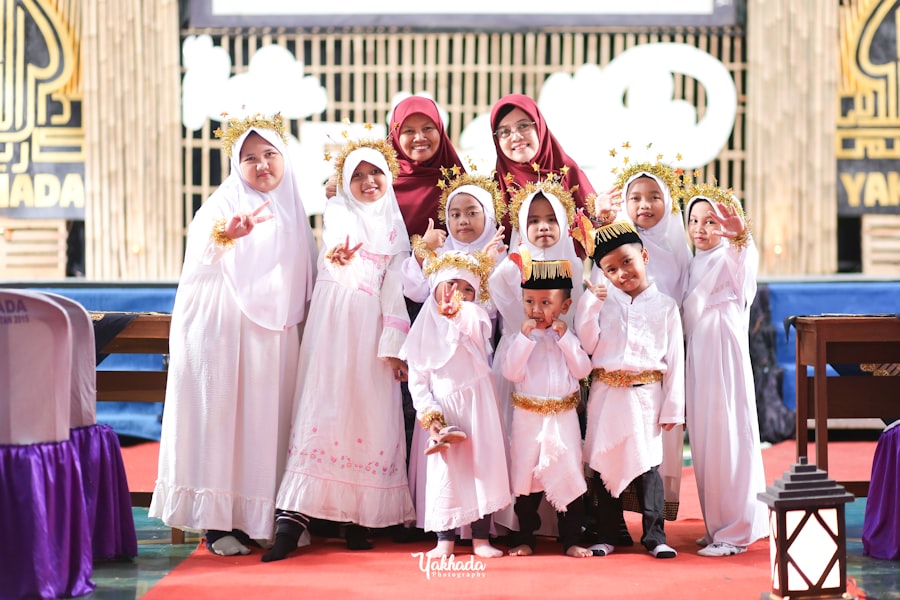
Empowering Muslim Pre-K students with Literacy requires intentional strategies that cater to their specific needs while also promoting a love for reading and writing. One effective approach is to utilize culturally relevant texts that reflect the experiences and values of Muslim communities. Books featuring diverse characters, stories that celebrate Islamic traditions, or narratives that highlight the importance of family and community can resonate deeply with students.
By seeing themselves represented in literature, children are more likely to engage with the material and develop a positive attitude toward reading. In addition to selecting appropriate texts, educators can implement interactive literacy activities that encourage participation and collaboration among students. For example, storytelling sessions can be enhanced by inviting students to act out parts of the story or create their own endings.
Such activities not only improve comprehension but also build confidence in speaking and listening skills. Furthermore, incorporating technology into literacy instruction can be beneficial; digital storytelling tools or educational apps designed for young learners can provide engaging platforms for practicing reading and writing skills in a fun and interactive way.
Incorporating Islamic Culture and Values into Empowering Muslim Pre-K with Literacy
| Metrics | Results |
|---|---|
| Number of schools implementing Islamic culture in literacy education | 50 |
| Percentage of students showing improved engagement | 75% |
| Number of teachers trained in incorporating Islamic values | 100 |
| Percentage of parents satisfied with the program | 90% |
Integrating Islamic culture and values into literacy education enriches the learning experience for Muslim Pre-K students by making it more relevant to their lives. Educators can weave Islamic teachings into literacy lessons by exploring themes such as kindness, honesty, respect for others, and the importance of family ties through stories and discussions. For instance, using fables or parables from Islamic tradition can provide moral lessons while simultaneously enhancing literacy skills.
This approach not only reinforces cultural identity but also instills ethical values that are central to many Muslim families. Moreover, celebrating Islamic holidays and events within the classroom can serve as an opportunity to enhance literacy learning. Activities such as creating storybooks about Ramadan or Eid celebrations allow students to express their understanding of these significant occasions while practicing their writing skills.
Additionally, inviting parents or community members to share stories or traditions related to these events can foster a sense of community within the classroom. By creating a curriculum that reflects Islamic culture and values, educators can help Muslim Pre-K students feel seen and valued while promoting literacy development.
Building a Supportive and Inclusive Learning Environment
Creating a supportive and inclusive learning environment is essential for fostering literacy development among Muslim Pre-K students. This begins with establishing a classroom culture that celebrates diversity and encourages respect for all backgrounds. Educators should actively promote an atmosphere where every student feels safe to express themselves without fear of judgment or exclusion.
This can be achieved through team-building activities that emphasize cooperation and understanding among peers. Additionally, physical classroom arrangements can play a significant role in inclusivity. Designating areas for group work, quiet reading corners, or spaces for creative expression allows students to engage with literacy in various ways that suit their individual learning styles.
Providing access to diverse reading materials—such as books in different languages or those that reflect various cultural perspectives—ensures that all students have opportunities to connect with the content meaningfully. By prioritizing inclusivity in both classroom culture and physical space, educators can create an environment where Muslim Pre-K students thrive academically and socially.
Collaborating with Families and Community Members
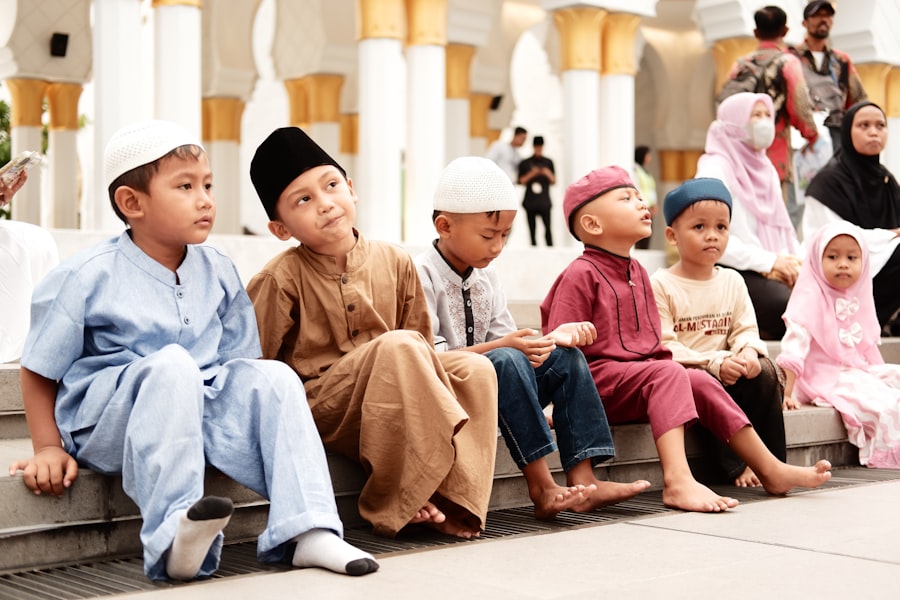
Collaboration with families and community members is vital in supporting the literacy development of Muslim Pre-K students. Engaging parents in their children’s education fosters a strong home-school connection that enhances learning outcomes. Educators can organize workshops or informational sessions that equip parents with strategies to support literacy at home, such as reading together or engaging in storytelling activities.
Providing resources in multiple languages ensures that all parents can access this information effectively. Furthermore, involving community members in the educational process can enrich the learning experience for students. Local authors or storytellers from the Muslim community can be invited to share their work or conduct storytelling sessions in the classroom.
Such interactions not only expose students to diverse literary voices but also strengthen community ties. By fostering collaboration between families, educators, and community members, schools can create a holistic support system that empowers Muslim Pre-K students in their literacy journey.
Overcoming Challenges and Barriers in Literacy Education for Muslim Pre-K Students
Despite the numerous benefits of early literacy education for Muslim Pre-K students, several challenges may arise that hinder their progress. Language barriers can be particularly significant; students who are still developing their English language skills may struggle to fully engage with literacy activities designed primarily for native speakers. Educators must be equipped with strategies to support these learners effectively, such as using visual aids, incorporating gestures, or providing bilingual resources that bridge language gaps.
Cultural misunderstandings may also pose challenges in the classroom setting. Educators may inadvertently overlook cultural nuances that affect student participation or engagement. For instance, some Muslim families may have specific beliefs regarding gender roles or interactions between boys and girls that could influence classroom dynamics.
It is essential for educators to seek professional development opportunities focused on cultural competency to better understand these dynamics and create an environment where all students feel respected and valued.

Celebrating Successes and Achievements in Empowering Muslim Pre-K with Literacy
Recognizing and celebrating successes in literacy development is crucial for motivating Muslim Pre-K students and reinforcing their achievements. Educators can implement various methods to acknowledge progress, such as creating a “literacy wall” where students’ work is displayed or hosting regular reading celebrations where families are invited to witness their children’s accomplishments. These events not only highlight individual achievements but also foster a sense of pride within the community.
Additionally, incorporating student feedback into the celebration process can empower learners by allowing them to reflect on their growth. Encouraging students to share their favorite books or literacy activities during class discussions helps them articulate their experiences while reinforcing their learning journey. By celebrating successes—big or small—educators can cultivate a positive attitude toward literacy among Muslim Pre-K students, instilling a lifelong love for reading and writing that extends beyond the classroom walls.
If you are interested in learning more about how Islamic culture and education are integrated into pre-kindergarten programs, you may want to check out this article on Islamic Culture and Education in Bella Vista. This article discusses the importance of incorporating Islamic teachings and values into early childhood education, and how it can benefit young Muslim children in their development. It also highlights the unique approach taken by nursery schools in Bella Vista to create a nurturing and supportive environment for young learners.
FAQs
What is the focus of Empowering Muslim Pre-K with Literacy in Liverpool?
The focus of the Muslim pre-kindergarten in Liverpool is on literacy development, aiming to provide young children with a strong foundation in reading and writing skills.
What are the benefits of a literacy-focused pre-kindergarten program?
A literacy-focused pre-kindergarten program can help children develop essential language and communication skills, improve their cognitive abilities, and prepare them for success in school and beyond.
Is the pre-kindergarten program open to children of all backgrounds or only Muslim children?
The pre-kindergarten program is open to children of all backgrounds, not just Muslim children. It aims to provide a high-quality early childhood education to all children in the community.
What are some of the activities and methods used in empowering Muslim Pre-K with Literacy in Liverpool
The pre-kindergarten program uses a variety of activities and methods to promote literacy, including storytelling, phonics instruction, letter recognition, writing practice, and exposure to a wide range of age-appropriate literature.
How can parents enroll their children in the Muslim pre-kindergarten program in Liverpool?
Parents can enroll their children in the Muslim pre-kindergarten program in Liverpool by contacting the school directly and following the enrollment procedures outlined by the school administration.