
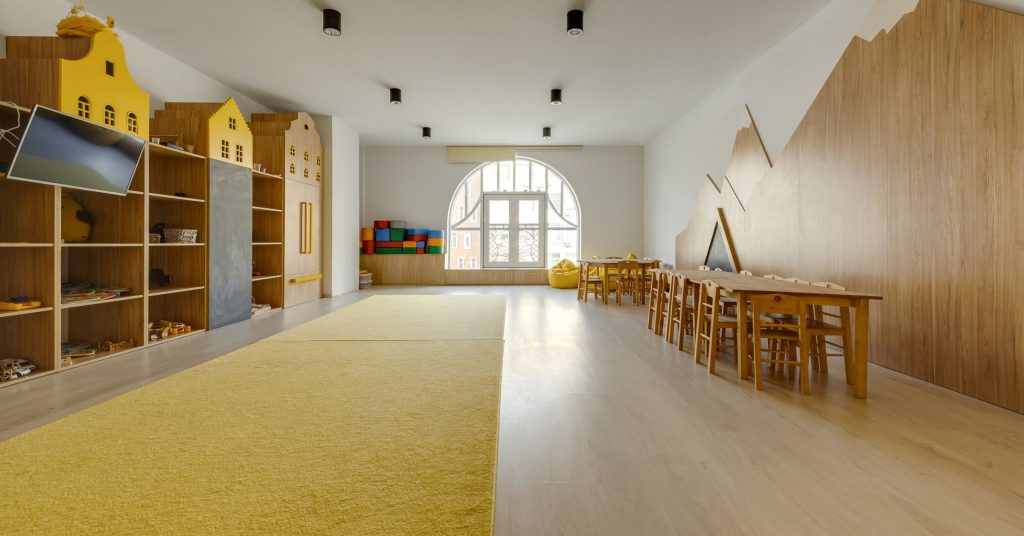
The Part-time Muslim Preschool Program is designed to cater to the unique needs of Muslim families seeking early childhood education that aligns with their cultural and religious values. This program recognizes the importance of instilling foundational knowledge in young children while also fostering a sense of identity and belonging within their community. By offering a part-time structure, the program provides flexibility for families, allowing them to balance educational pursuits with other commitments.
This approach not only accommodates the diverse schedules of parents but also acknowledges the varying developmental needs of children at this critical stage in their lives. In recent years, there has been a growing recognition of the need for educational programs that reflect the cultural and religious backgrounds of students. The Part-time Muslim Preschool Program stands out as a model that integrates Islamic teachings with early childhood education principles.
This integration is not merely about teaching religious concepts; it encompasses a holistic approach that nurtures social, emotional, and cognitive development. By creating an environment where children can learn about their faith while engaging with their peers, the program aims to cultivate a strong sense of community and identity from an early age. Check out the Islamic prekindy program at https://islamicprekindy.com/.
Key Takeaways
- The Part-time Muslim Preschool Program in Bella Vista offers a culturally inclusive curriculum and teaching methods.
- Cultural inclusivity in early childhood education is important for fostering understanding and respect among children of different backgrounds.
- The program provides benefits for children and families, including a positive and inclusive learning environment.
- Community involvement and support are crucial for the success of the Part-time Muslim Preschool Program.
- Addressing cultural sensitivity and understanding in the classroom is a key aspect of the program’s approach.
Culturally Inclusive Curriculum and Teaching Methods
The curriculum of the Part-time Muslim Preschool Program is meticulously crafted to be culturally inclusive, ensuring that it resonates with the values and traditions of Muslim families. It incorporates Islamic teachings, stories from the Quran, and lessons on the five pillars of Islam, all while integrating standard early childhood education practices. This dual focus allows children to learn about their faith in a manner that is engaging and age-appropriate.
For instance, storytelling sessions may include tales from Islamic history that highlight moral lessons, fostering both religious understanding and critical thinking skills. Teaching methods employed in this program are diverse and interactive, catering to various learning styles. Educators utilize hands-on activities, group discussions, and creative arts to engage children in meaningful ways.
For example, during art sessions, children might create crafts that reflect Islamic motifs or symbols, allowing them to express their creativity while deepening their connection to their cultural heritage. Additionally, music and movement activities may incorporate traditional Islamic songs or rhythms, further enriching the learning experience. This multifaceted approach not only enhances cognitive development but also promotes social skills as children collaborate and share their ideas with one another.
Importance of Cultural Inclusivity in Early Childhood Education

Cultural inclusivity in early childhood education is paramount for fostering a sense of belonging among children from diverse backgrounds. When children see their culture and traditions reflected in their learning environment, it validates their identity and enhances their self-esteem. This validation is particularly crucial for young Muslim children who may navigate multiple cultural identities in a broader societal context.
By incorporating elements of Islamic culture into the curriculum, educators help children develop a positive self-image and a strong sense of community. Moreover, cultural inclusivity promotes empathy and understanding among peers. In a multicultural classroom setting, children are exposed to various perspectives and experiences, which broadens their worldview.
This exposure is essential for developing social skills such as cooperation, respect, and tolerance. For instance, when children learn about different cultural practices during celebrations or festivals, they gain insights into the lives of their classmates, fostering friendships that transcend cultural boundaries. Such interactions lay the groundwork for a more harmonious society where diversity is celebrated rather than merely tolerated.
Benefits of a Part-time Muslim Preschool Program for Children and Families
| Benefits | Description |
|---|---|
| 1. Cultural and Religious Education | Children learn about Islamic traditions, values, and practices in a nurturing environment. |
| 2. Socialization | Opportunities for children to interact with peers and develop social skills in a diverse and inclusive setting. |
| 3. Language Development | Exposure to Arabic language and literature to promote bilingualism and cultural literacy. |
| 4. Cognitive Development | Engaging activities and learning experiences to stimulate cognitive growth and critical thinking. |
| 5. Family Involvement | Opportunities for families to participate in their child’s education and build a sense of community. |
The Part-time Muslim Preschool Program offers numerous benefits for both children and their families. For children, attending a program that aligns with their cultural values provides a sense of security and comfort. They are more likely to engage actively in learning when they feel understood and accepted within their educational environment.
The part-time structure also allows for ample family time, enabling parents to reinforce the lessons learned at school within the home context. This continuity between home and school is vital for reinforcing cultural values and religious teachings. For families, the program serves as a supportive community hub where they can connect with other like-minded parents.
This sense of community is invaluable, particularly for families who may feel isolated in a predominantly non-Muslim environment. Parents can share experiences, resources, and support one another in navigating the challenges of raising children in a multicultural society. Additionally, the program often hosts family events and workshops that encourage parental involvement, further strengthening the bond between home and school while fostering a collaborative approach to education.
Community Involvement and Support for the Program
Community involvement plays a crucial role in the success of the Part-time Muslim Preschool Program. Local mosques, community centers, and organizations often collaborate with the preschool to provide resources, volunteers, and expertise. This partnership not only enriches the educational experience but also reinforces the program’s connection to the broader community.
For example, guest speakers from the community may be invited to share their experiences or lead workshops on various topics related to Islamic culture or parenting. Moreover, community support can manifest through fundraising efforts or donations that help sustain the program financially. Engaging local businesses and organizations in these initiatives fosters a sense of ownership among community members regarding the preschool’s success.
When families see that their community is invested in their children’s education, it enhances their commitment to the program and encourages active participation. This symbiotic relationship between the preschool and its community ultimately leads to a more robust educational environment for all involved.
Addressing Cultural Sensitivity and Understanding in the Classroom

Cultural sensitivity is an essential component of effective teaching within the Part-time Muslim Preschool Program. Educators are trained to recognize and respect the diverse backgrounds of their students while creating an inclusive atmosphere where all children feel valued. This training includes understanding various cultural practices related to food, dress, holidays, and family structures.
By being aware of these differences, teachers can tailor their approaches to meet the needs of each child effectively. In practice, addressing cultural sensitivity might involve adapting classroom activities to accommodate specific religious observances or dietary restrictions. For instance, during Ramadan, educators may adjust snack times or incorporate discussions about fasting into lessons.
Such adaptations not only demonstrate respect for students’ beliefs but also provide opportunities for all children to learn about different practices in a respectful manner. By fostering an environment where cultural differences are acknowledged and celebrated, educators help cultivate mutual respect among students.
Creating a Positive and Inclusive Learning Environment for Children of All Backgrounds
Creating a positive learning environment is fundamental to the success of any educational program, particularly one that serves a diverse population like the Part-time Muslim Preschool Program. A welcoming atmosphere encourages children to express themselves freely without fear of judgment or exclusion. This can be achieved through thoughtful classroom design that reflects diversity—such as displaying books and materials representing various cultures—and through establishing classroom norms that promote kindness and respect.
Additionally, educators play a pivotal role in modeling inclusive behavior. By demonstrating curiosity about different cultures and encouraging open dialogue among students about their backgrounds, teachers can foster an environment where inclusivity thrives. Activities such as sharing personal stories or celebrating various cultural holidays together can enhance this sense of belonging among students from different backgrounds.
When children feel safe and accepted in their learning environment, they are more likely to engage actively in their education and develop positive relationships with their peers.
Future Growth and Expansion of the Part-time Muslim Preschool Program

As awareness of the importance of culturally responsive education continues to grow, there is significant potential for the expansion of the Part-time Muslim Preschool Program. Future growth could involve increasing enrollment capacity to accommodate more families seeking this type of education for their children. Additionally, expanding partnerships with local organizations could enhance resource availability and provide more comprehensive support services for families.
Moreover, there is an opportunity to develop specialized programs within the preschool that cater to specific needs or interests within the community. For instance, introducing language immersion programs that teach Arabic alongside English could further enrich children’s educational experiences while preserving linguistic heritage. As demand for culturally inclusive education rises, adapting to meet these needs will be essential for ensuring that the Part-time Muslim Preschool Program remains relevant and impactful in shaping future generations.
The Part-time Muslim preschool program in Bella Vista focuses on providing a nurturing environment for young children to learn about Islamic values and teachings. In a related article on developing critical thinking skills in children through play, the importance of incorporating educational activities that promote cognitive development is highlighted. By encouraging creativity, imagination, and critical thinking in preschoolers, programs like the one in Bella Vista are helping children grow intellectually and spiritually.
FAQs
What is the part-time Muslim preschool program in Bella Vista?
The part-time Muslim preschool program in Bella Vista is a program designed to provide early childhood education with a focus on Islamic teachings and values. It offers a curriculum that integrates Islamic teachings with standard preschool education.
What are the goals of the part-time Muslim preschool program?
The goals of the part-time Muslim preschool program include providing a nurturing and supportive environment for young children to learn about their faith, develop a strong foundation in Islamic teachings, and prepare for future academic success.
What are the typical activities in the part-time Muslim preschool program?
The program includes a variety of activities such as Quran recitation, Islamic stories, Arabic language exposure, arts and crafts, and age-appropriate Islamic studies. It also incorporates standard preschool activities such as music, movement, and early literacy and numeracy skills.
Who can enroll in the part-time Muslim preschool program?
The program is open to children of preschool age, typically between the ages of 3 and 5. It is designed for families seeking a preschool experience that incorporates Islamic teachings and values.
Is the part-time Muslim preschool program open to children of all faiths?
While the program is designed to provide an Islamic education, it may be open to children of all faiths. Families interested in enrolling their children should inquire with the program administrators for specific details on enrollment criteria.