
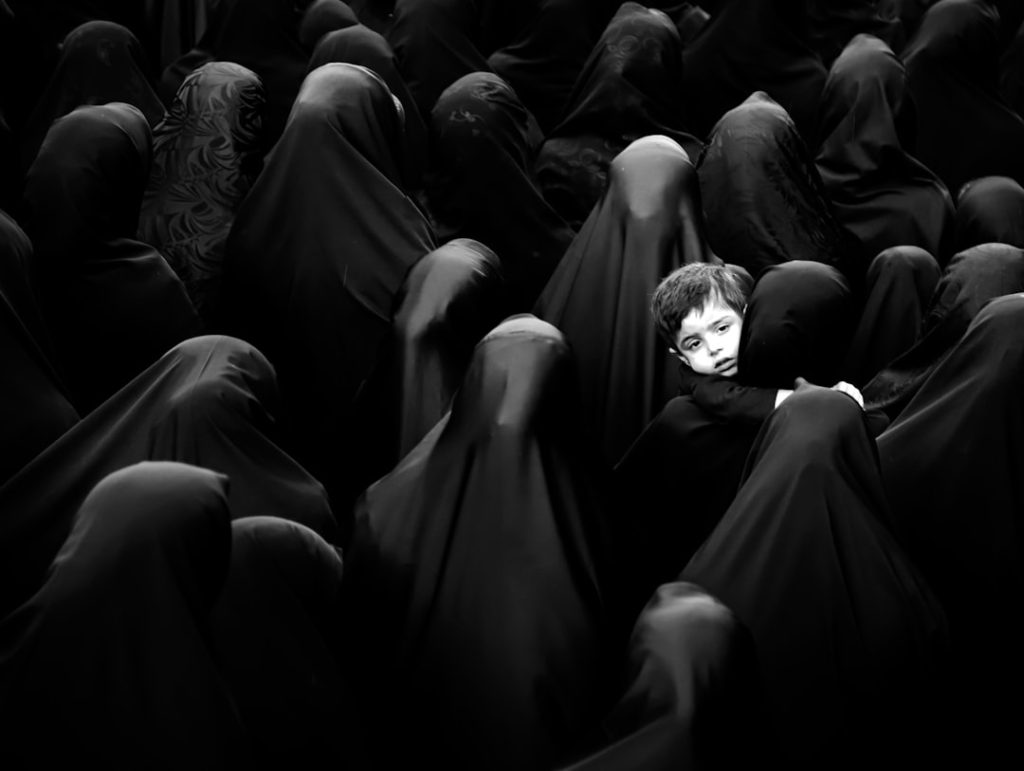
Islamic Pre-K Education refers to the early childhood education that is infused with Islamic teachings and values. It is a form of education that aims to provide young children with a strong foundation in both academic and Islamic knowledge. Islamic Pre-K Education has a long history, dating back to the time of Prophet Muhammad (peace be upon him), who emphasized the importance of educating children from a young age.
Key Takeaways
- Islamic Pre Kindy Education is an introduction to Islamic teachings for young children.
- Early Islamic Education is important for the development of a child’s moral and spiritual values.
- The curriculum of Islamic Pre-K Education includes Quranic studies, Arabic language, and Islamic history.
- Islamic values such as honesty, kindness, and respect are taught in Pre-K Education.
- Teaching methods used in Islamic Pre-K Education include storytelling, role-playing, and hands-on activities.
The Importance of Early Islamic Education
In Islam, early childhood education is highly valued and considered crucial for the development of a child’s character and identity. It is during these formative years that children are most receptive to learning and absorbing information. By providing them with an Islamic education from a young age, we can instill in them a love for Allah, His Prophet, and the teachings of Islam.
Islamic Pre-K Education offers numerous benefits for young children. Firstly, it helps them develop a strong moral compass and instills in them the values of kindness, honesty, and compassion. Secondly, it provides them with a solid foundation in Islamic knowledge, including the basics of prayer, Quranic recitation, and understanding of Islamic stories and concepts. Lastly, it helps foster a sense of belonging and identity within the Muslim community.
Curriculum of Islamic Pre Kindy Education
The curriculum of Islamic Pre-K Education is designed to cater to the unique needs and abilities of young children. It focuses on providing a holistic education that encompasses both academic and Islamic subjects. The curriculum typically includes subjects such as Arabic language, Quranic studies, Islamic stories and morals, basic math and science concepts, arts and crafts, and physical education.
The goal of the curriculum is to create a balanced learning environment that nurtures the intellectual, emotional, social, and physical development of young children. It aims to provide them with a strong foundation in both secular knowledge and Islamic teachings.
Islamic Values Taught in Pre-K Education
| Islamic Values Taught in Pre-K Education | Definition | Examples |
|---|---|---|
| Tawheed | The oneness of Allah | Teaching children to believe in one God and to worship Him alone |
| Akhlaq | Moral values and ethics | Teaching children to be honest, kind, respectful, and to have good manners |
| Taqwa | God-consciousness | Teaching children to be aware of Allah’s presence and to act accordingly |
| Sabr | Patience and perseverance | Teaching children to be patient in difficult situations and to persevere in their efforts |
| Ihsan | Excellence and doing good | Teaching children to strive for excellence in all that they do and to do good to others |
Islamic Pre-K Education places a strong emphasis on instilling Islamic values in young children. Some of the values that are taught include honesty, kindness, respect, gratitude, patience, and empathy. Children are taught to be mindful of their actions and to always strive to do good deeds.
Through stories, role-playing, and interactive activities, children learn about the importance of these values in their daily lives. They are encouraged to practice these values both at school and at home, fostering a sense of responsibility and accountability.
Teaching Methods Used in Islamic Pre-K Education
The teaching methods used in Islamic Pre Kindy Education are tailored to suit the needs and abilities of young children. They are designed to be interactive, engaging, and hands-on, allowing children to actively participate in their own learning.
Some of the common teaching methods used include storytelling, role-playing, arts and crafts, group activities, and games. These methods help capture the attention and interest of young children, making learning enjoyable and memorable.
Role of Parents in Islamic Pre-K Education
Parents play a crucial role in supporting their child’s Islamic Pre-K Education. They are the first and most important educators in a child’s life and have a significant influence on their development. It is important for parents to actively participate in their child’s education and reinforce the Islamic values taught at school.
Parents can support their child’s Islamic Pre-K Education by creating a nurturing home environment that reflects Islamic values. They can engage in regular conversations with their child about what they have learned at school and reinforce those teachings through daily practices. Additionally, parents can read Islamic stories with their child, take them to the mosque for prayers, and involve them in acts of charity and community service.
Benefits of Islamic Pre-K Education
Islamic Pre Kindy Education has numerous benefits for young children. Firstly, it has a positive impact on their academic development. By providing them with a strong foundation in basic subjects such as math, science, and language, it prepares them for future academic success. Secondly, it helps develop their social skills and emotional intelligence. Through group activities and interactions with their peers, children learn how to communicate, cooperate, and empathize with others. Lastly, Islamic Pre-K Education helps shape a child’s identity and instills in them a sense of belonging to the Muslim community.
Challenges in Implementing Islamic Pre-K Education
Implementing Islamic Pre-K Education can be challenging due to various factors. One of the main challenges is the lack of resources and funding. Islamic schools often struggle to provide adequate facilities, materials, and qualified teachers to deliver quality education to young children.
Another challenge is the resistance from non-Muslim communities. Islamic Pre-K Education is sometimes viewed with suspicion or misunderstanding by those who are not familiar with its principles and teachings. This can lead to difficulties in finding support and acceptance from the wider community.
Success Stories of Islamic Pre-K Education
Despite the challenges, there have been many success stories of Islamic Pre-K Education programs around the world. These programs have had a positive impact on the lives of young children and their communities.
For example, in Malaysia, there are numerous Islamic Pre-K Education centers that have been successful in providing quality education to young children. These centers have produced students who excel academically and have a strong foundation in Islamic knowledge.
Similarly, in the United States, there are Islamic schools that offer Pre-K programs that have been highly successful in nurturing young minds and instilling Islamic values. These schools have become pillars of their communities, providing a safe and nurturing environment for Muslim children to grow and learn.
Future of Islamic Pre-K Education: Innovations and Developments
The future of Islamic Pre Kindy Education holds great potential for growth and expansion. With advancements in technology and curriculum development, there are opportunities for innovative teaching methods and resources to be utilized in Islamic Pre-K Education.
For example, the use of educational apps and online platforms can enhance the learning experience for young children. Interactive games and activities can be designed to teach Islamic concepts and values in a fun and engaging way.
Furthermore, there is a need for continuous curriculum development to ensure that Islamic Pre-K Education remains relevant and effective. This includes incorporating modern teaching techniques, integrating technology into the curriculum, and adapting to the changing needs of young children.
In conclusion, Islamic Pre-K Education plays a vital role in shaping the character and identity of young children. It provides them with a strong foundation in both academic and Islamic knowledge, instilling in them the values and teachings of Islam. By utilizing effective teaching methods and involving parents in the education process, Islamic Pre-K Education can have a positive impact on the lives of young children and their communities. Despite the challenges, there is great potential for growth and innovation in the field of Islamic Pre-K Education, ensuring that future generations receive a quality education that is rooted in Islamic values.
If you’re looking for more information on Islamic pre-kindergarten in Sydney, be sure to check out the Islamic Pre-Kindy website. They offer a variety of resources and services tailored to provide a nurturing and educational environment for young children. One article that caught my attention on their blog is “The Importance of Islamic Education in Early Childhood.” This insightful piece explores the benefits of introducing Islamic teachings and values to children at a young age. To read more about it, click here. Additionally, you can also learn more about their dedicated team of educators and staff by visiting their Our Team page.
FAQs
What is Islamic Pre-Kindy?
Islamic Pre-Kindy is an educational program designed for young children to learn about Islamic values, beliefs, and practices. It is a pre-school program that focuses on teaching children about Islam in a fun and interactive way.
What age group is Islamic Pre-Kindy for?
Islamic Pre-Kindy is designed for children aged 3-5 years old. It is a pre-school program that prepares children for kindergarten and primary school.
What do children learn in Islamic Pre-Kindy?
Children learn about Islamic values, beliefs, and practices in Islamic Pre-Kindy. They learn about the Quran, the Prophet Muhammad, Islamic holidays, and the importance of prayer and charity. They also learn basic Arabic vocabulary and Islamic songs and stories.
What are the benefits of Islamic Pre-Kindy?
Islamic Pre-Kindy provides children with a strong foundation in Islamic values and beliefs. It helps children develop a sense of identity and belonging to the Muslim community. It also prepares children for kindergarten and primary school by developing their social, emotional, and cognitive skills.
Where can I find an Islamic Pre-Kindy program?
Islamic Pre-Kindy programs are offered by Islamic schools, mosques, and community centers. You can search online or ask your local Muslim community for recommendations. It is important to research the program and its curriculum before enrolling your child.