
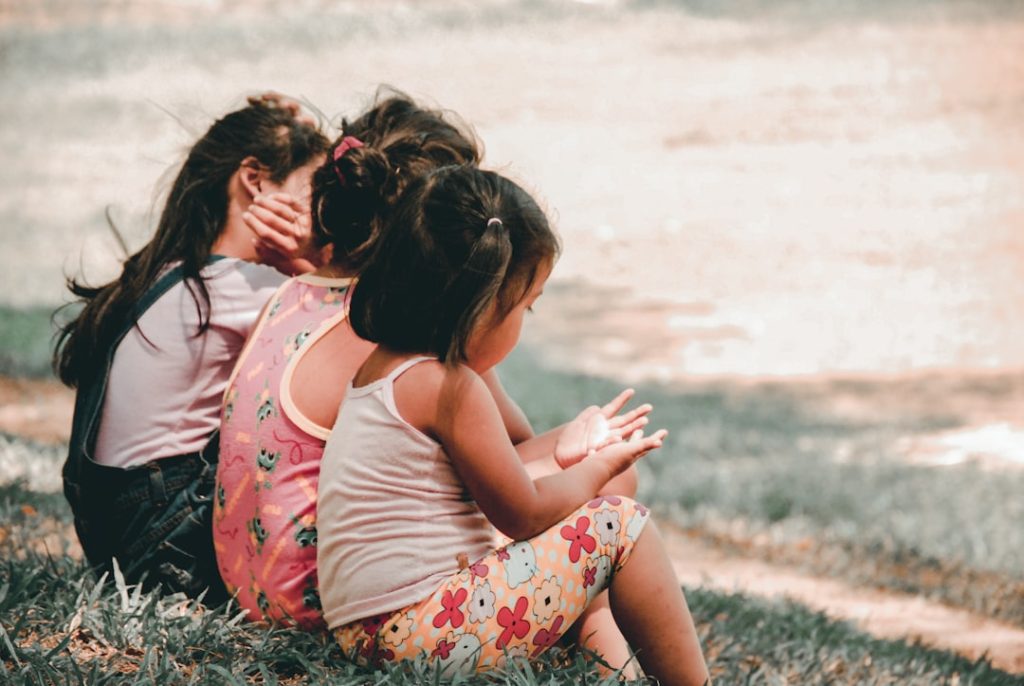
Sibling rivalry is a common occurrence in many families and can have a significant impact on the overall dynamics of the household. It refers to the competition, jealousy, and conflict that often arises between siblings. While some level of rivalry is normal and even healthy, parents need to address it to maintain a harmonious and supportive family environment.
Addressing and navigating sibling rivalry and fostering cooperation among children is crucial for a healthy family dynamic because it can lead to long-lasting negative effects if left unchecked. Siblings who constantly compete with each other and engage in frequent conflicts may develop resentment, low self-esteem, and poor communication skills. Additionally, unresolved sibling rivalry can strain relationships between family members and create tension within the household. By addressing these issues early on, parents can help foster positive sibling relationships and promote a supportive family environment.
Key Takeaways
- Sibling rivalry is a common occurrence in families and can have negative effects on children’s mental health and well-being.
- Common causes of sibling rivalry include competition for attention, jealousy, and differences in personality or interests.
- Parental intervention is crucial in addressing sibling conflicts and promoting cooperation and bonding between siblings.
- Effective communication skills are essential for resolving conflicts and building trust and respect in sibling relationships.
- Age and birth order can play a role in sibling rivalry, but it is important to avoid stereotyping and treat each child as an individual.
Understanding the Dynamics of Sibling Rivalry
Sibling rivalry is a complex phenomenon that involves a range of behaviours and emotions. Parents need to understand the dynamics of navigating sibling rivalry and fostering cooperation among children to effectively address it. Sibling rivalry can be defined as the competition, jealousy, and conflict that occurs between siblings. It often stems from a desire for parental attention, resources, or recognition.
Common behaviours associated with sibling rivalry include arguing, teasing, physical aggression and attempts to undermine or outdo each other. They may also engage in power struggles or vie for the role of the favourite child. These behaviours can be driven by feelings of jealousy, insecurity, or a need for validation.
Competition and jealousy play a significant role in sibling relationships and can contribute to the development of sibling rivalry. They may feel threatened by each other’s achievements or successes, leading to feelings of inadequacy or resentment. Additionally, parental favouritism can exacerbate feelings of competition and jealousy among siblings.
Common Causes of Sibling Rivalry and How to Address Them
Several factors contribute to sibling rivalry, and understanding these causes can help parents address the issue effectively. Age differences between siblings can often lead to rivalry, as older children may feel threatened by the attention given to a new baby or younger brother or sister. Personality differences can also play a role, as siblings with different temperaments may clash more frequently.
Parental favouritism is another common cause of sibling rivalry. When parents show preferential treatment towards one child over another, it can create feelings of resentment and competition among siblings. Parents need to be aware of their own biases and strive to treat each child fairly and equally.
To address sibling rivalry, parents can implement several strategies. Setting clear expectations and boundaries can help establish a sense of fairness and reduce conflicts. Encouraging empathy and teaching children to understand and respect each other’s feelings can also promote positive brothers and sisters relationships. Additionally, providing each child with individual attention and recognizing their unique strengths and accomplishments can help reduce feelings of competition.
The Importance of Parental Intervention in Sibling Conflicts
| Metrics | Importance |
|---|---|
| Reduced aggression | Parental intervention can help reduce physical and verbal aggression between siblings. |
| Improved communication | Parents can help siblings learn to communicate effectively and resolve conflicts peacefully. |
| Positive sibling relationships | Intervention can lead to stronger, more positive relationships between siblings. |
| Less stress for parents | When siblings can resolve conflicts on their own, parents experience less stress and tension. |
| Long-term benefits | Effective parental intervention can lead to improved sibling relationships and communication skills that last into adulthood. |
Parents play a crucial role in managing sibling conflicts and promoting positive sibling relationships. Parents need to intervene in conflicts between brothers and sisters to teach them effective conflict resolution skills and prevent the escalation of conflicts.
One strategy for effective parental intervention is active listening. When siblings are engaged in a conflict, parents should listen attentively to each child’s perspective without taking sides or interrupting. This allows each child to feel heard and validated, which can help de-escalate the conflict.
Modelling positive behaviour is another important strategy for parental intervention. Parents should demonstrate respectful communication, problem-solving skills, and empathy when resolving conflicts with their children. By modelling these behaviours, parents can teach their children how to effectively resolve conflicts on their own.
Strategies for Encouraging Sibling Cooperation and Bonding
Promoting sibling cooperation and bonding is essential for fostering positive sibling relationships. There are several activities that parents can encourage to promote brothers and sisters bonding. Family game nights, where siblings can engage in friendly competition and teamwork, can help foster a sense of camaraderie. Shared hobbies or interests can also provide opportunities for siblings to bond and collaborate.
Positive reinforcement is another effective strategy for encouraging sibling cooperation. When siblings engage in cooperative behaviour or resolve conflicts peacefully, parents should provide praise and recognition. This reinforces positive behaviour and encourages siblings to continue working together.
Teaching Children Effective Communication Skills to Resolve Conflicts
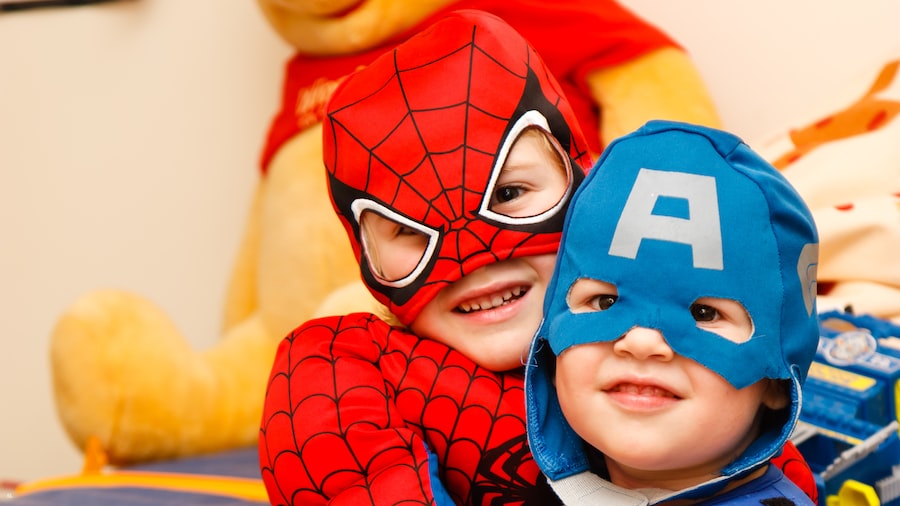
Effective communication is key to resolving conflicts between siblings. Parents can teach their children effective communication skills to help them navigate conflicts and healthily express their feelings.
One important skill is active listening. Children should be taught to listen attentively to each other’s perspectives without interrupting or becoming defensive. This allows each child to feel heard and understood, which can help de-escalate conflicts.
Using “I” statements is another effective communication strategy. Instead of blaming or accusing each other, children should be encouraged to express their feelings using “I” statements. For example, instead of saying “You always take my things,” a child could say “I feel upset when you take my things without asking.”
Creating a Positive Sibling Relationship: Building Trust and Respect
Trust and respect are essential components of a positive sibling relationship. Parents can help build trust and respect among siblings by setting clear boundaries and expectations. This includes establishing rules for sharing, taking turns, and respecting each other’s personal space.
Showing appreciation for each other’s strengths and accomplishments is another important strategy for building trust and respect. Parents should encourage their children to acknowledge and celebrate each other’s achievements, which can help foster a sense of support and camaraderie.
The Role of Age and Birth Order in Sibling Rivalry
Age and birth order can have a significant impact on sibling relationships and rivalry. Older siblings may feel a sense of responsibility or authority over their younger siblings, which can lead to conflicts and power struggles. Younger brothers and sisters, on the other hand, may feel overshadowed or overlooked by their older siblings.
Parents can manage their children’s rivalry based on age and birth order by recognizing and addressing these dynamics. Older siblings can be given opportunities to take on leadership roles and responsibilities, while younger brothers and sisters can be encouraged to assert their independence and develop their own identities.
How to Manage Sibling Rivalry in Blended Families
Managing sibling rivalry in blended families can present unique challenges. Children may struggle with adjusting to new family dynamics and may feel threatened by the presence of step-siblings. Parents need to promote positive brothers and sisters relationships in blended families.
One strategy is to create opportunities for bonding and cooperation among step-siblings. Family activities that involve all members, such as outings or vacations, can help foster a sense of unity and belonging. Additionally, parents should encourage open communication and provide a safe space for children to express their feelings about the blending of families.
The Impact of Sibling Rivalry on Mental Health and Well-being
Sibling rivalry can harm the mental health and well-being of children. Constant conflict and competition can lead to increased stress, anxiety, and low self-esteem. Parents need to address sibling rivalry to promote positive mental health in their children.
Strategies for promoting positive mental health in siblings include providing emotional support and validation. Parents should create an environment where children feel comfortable expressing their feelings and seeking support when needed. Additionally, promoting self-care activities and teaching children coping skills can help them manage stress and build resilience.
Seeking Professional Help: When Sibling Rivalry Becomes a Serious Concern
In some cases, sibling rivalry may become a serious concern that requires professional intervention. Signs that sibling rivalry may require professional help include persistent physical aggression, extreme jealousy, or a significant negative impact on the mental health and well-being of one or more siblings.
Therapy can be a valuable resource for families struggling with sibling rivalry. A therapist can help identify underlying issues and provide strategies for managing conflicts and promoting positive brothers and sisters relationships. Family therapy can also help improve communication and strengthen the overall family dynamic.
Sibling rivalry is a common occurrence in many families, but parents need to address it to maintain a healthy family dynamic. By understanding the dynamics of sibling rivalry, addressing common causes, and implementing strategies for promoting positive sibling relationships, parents can create a supportive and harmonious family environment. Parents must intervene in sibling conflicts, teach effective communication skills, and promote trust and respect among siblings. Additionally, seeking professional help when necessary can provide valuable support and guidance for families struggling with sibling rivalry. By addressing sibling rivalry early on, parents can help foster positive sibling relationships and promote a healthy family dynamic.
If you’re looking for ways to navigate sibling rivalry and foster cooperation among your children, check out this helpful article from Islamic Prekindy. They provide valuable insights and strategies for parents to create a harmonious environment at home. From understanding the root causes of sibling rivalry to implementing effective communication techniques, this article offers practical advice that can make a positive difference in your family dynamics. Don’t miss out on this valuable resource! Read more here.
FAQs
What is sibling rivalry?
Sibling rivalry is a common phenomenon where siblings compete with each other for attention, resources, and affection from their parents or caregivers.
What are the causes of sibling rivalry?
Sibling rivalry can be caused by various factors such as differences in age, gender, personality, and interests. It can also be triggered by parental favouritism, jealousy, and competition for limited resources.
What are the effects of sibling rivalry?
Sibling rivalry can have negative effects on children’s emotional and social development. It can lead to feelings of resentment, jealousy, and low self-esteem. It can also result in aggressive behaviour, conflicts, and poor sibling relationships.
How can parents foster cooperation among their children?
Parents can foster cooperation among their children by setting clear expectations, establishing rules and consequences, and encouraging positive communication and problem-solving skills. They can also promote teamwork, encourage shared activities, and provide opportunities for their children to work together towards common goals.
What are some strategies for navigating sibling rivalry and fostering cooperation among children?
Some strategies for managing sibling conflicts include listening to both sides of the story, acknowledging their feelings, and helping them find a solution that works for both parties. Parents can also teach their children conflict resolution skills, such as compromise, negotiation, and empathy.
What is the role of parents in reducing sibling rivalry?
Parents play a crucial role in reducing and navigating sibling rivalry and fostering cooperation among children by creating a positive and supportive family environment, treating their children fairly and equally, and avoiding comparisons and favouritism. They can also model positive behaviours and attitudes, such as respect, kindness, and cooperation.