
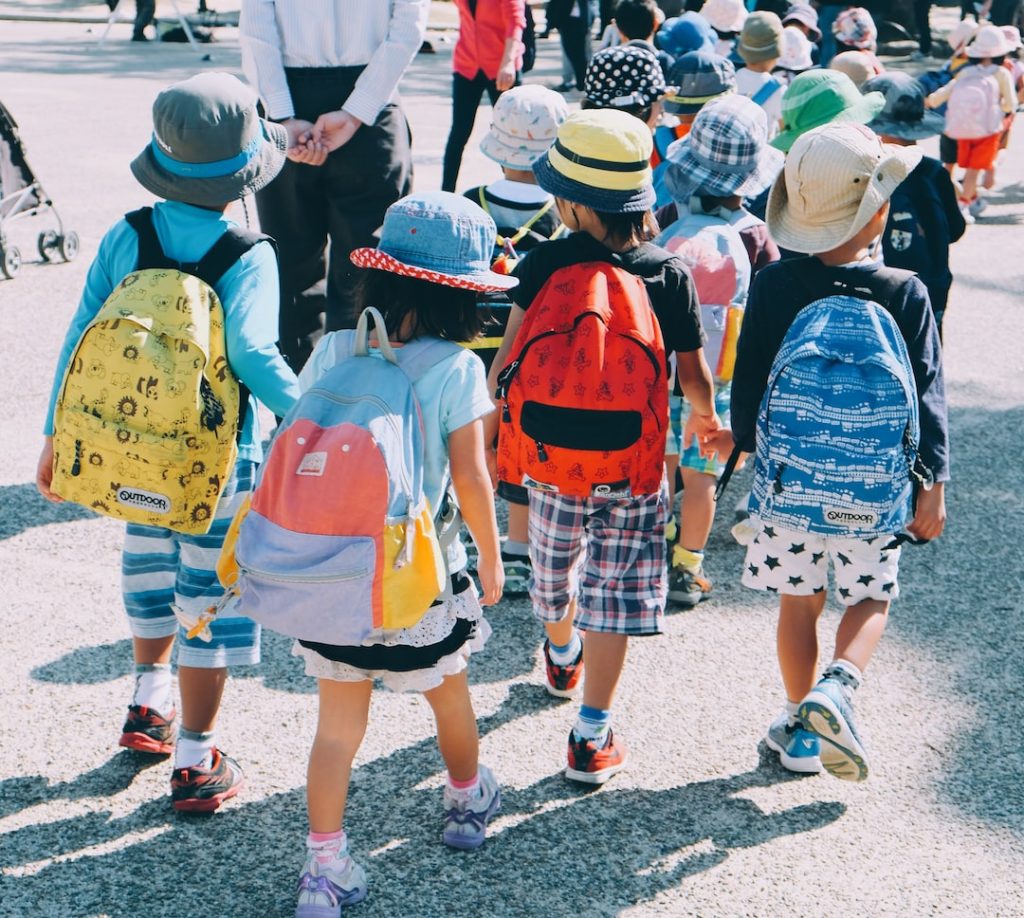
Empowering kids is crucial for their overall development and well-being. When children feel empowered, they are more likely to have a positive self-image, higher self-esteem, and a strong sense of self-worth. Empowerment allows children to believe in themselves, take risks, and pursue their passions and interests. It also helps them develop important life skills such as problem-solving, decision-making, and resilience.
By empowering kids, we are setting them up for success in all areas of their lives. When children feel confident and capable, they are more likely to excel academically, socially, and emotionally. They are also more likely to have healthy relationships and make positive choices. Empowering kids is not only beneficial for their individual growth but also for the betterment of society as a whole.
Key Takeaways
- Empowering kids is crucial for their development and success.
- Embracing differences in children is important for fostering uniqueness and individuality.
- Self-love is a crucial aspect of kids’ development and should be encouraged.
- Parents play a vital role in fostering self-love and building self-esteem in their children.
- Encouraging positive self-talk, embracing mistakes, and celebrating diversity are all important ways to empower kids to reach their full potential.
Understanding Uniqueness: Embracing Differences in Children
Every child is unique and has their own set of strengths, weaknesses, and interests. Parents and caregivers need to embrace these differences and help children feel valued and accepted for who they are. When children feel accepted for their uniqueness, they develop a sense of belonging and self-worth.
Embracing differences in children also teaches them the importance of diversity and inclusion. It helps them understand that everyone is different and that these differences should be celebrated rather than judged. By embracing differences, we can create a more inclusive society where everyone feels valued and accepted.
Why Self-Love is Crucial for Kids’ Development
Self-love is crucial for kids’ development because it helps them build a strong sense of self-worth and confidence. When children love themselves, they are more likely to have a positive self-image and believe in their abilities. This self-belief allows them to take risks, pursue their passions, and overcome challenges.
Self-love also helps children develop resilience and cope with setbacks and failures. When children love themselves, they are more likely to bounce back from adversity and learn from their mistakes. They understand that failure is a part of life and does not define their worth or abilities.
The Role of Parents in Fostering Self-Love
| Metrics | Description |
|---|---|
| Self-esteem | The level of confidence and self-worth a child has in themselves. |
| Self-compassion | The ability to be kind and understanding towards oneself, especially during difficult times. |
| Self-awareness | The ability to recognise and understand one’s thoughts, feelings, and behaviours. |
| Self-acceptance | The ability to embrace and accept oneself, including one’s strengths and weaknesses. |
| Self-care | The practice of taking care of oneself physically, emotionally, and mentally. |
| Self-expression | The ability to express oneself authentically and creatively. |
Parents play a crucial role in fostering self-love, celebrating individuality and promoting self-acceptance in children. They are the primary caregivers and role models for their kids, and their actions and words have a significant impact on their children’s self-esteem and self-worth.
One of the most important ways parents can foster self-love in their children is by providing unconditional love and support. Children need to know that they are loved and accepted for who they are, regardless of their achievements or failures. Parents can also help their children develop a positive self-image by praising their efforts and highlighting their strengths.
Building Self-Esteem: Tips for Boosting Kids’ Confidence
Building self-esteem is essential for boosting kids’ confidence and helping them develop a positive self-image. Here are some practical tips for parents to help boost their children’s confidence:
1. Encourage independence: Allow your child to make decisions and take on age-appropriate responsibilities. This will help them develop a sense of competence and confidence in their abilities.
2. Provide opportunities for success: Give your child opportunities to succeed in different areas of their life, whether it’s academics, sports, or hobbies. Celebrate their achievements and highlight their strengths.
3. Set realistic expectations: Help your child set realistic goals and expectations for themselves. Encourage them to focus on personal growth rather than comparing themselves to others.
4. Encourage positive self-talk: Teach your child to replace negative self-talk with positive affirmations. Help them identify their strengths and remind them of their accomplishments.
5. Foster a growth mindset: Teach your child that intelligence and abilities can be developed through hard work and effort. Encourage them to embrace challenges and view failures as opportunities for growth.
Encouraging Positive Self-Talk: How to Help Kids Develop a Positive Mindset

Positive self-talk is an important aspect of developing a positive mindset and building self-esteem. It involves replacing negative thoughts and beliefs with positive affirmations and encouraging words. Here are some tips for parents to help their children develop a positive mindset:
1. Model positive self-talk: Be mindful of your self-talk and make an effort to model positive thinking and self-encouragement. Children learn by observing their parents, so it’s important to set a good example.
2. Teach positive affirmations: Teach your child to use positive affirmations to counter negative thoughts and beliefs. Encourage them to repeat affirmations such as “I am capable,” “I am worthy,” and “I can do it.”
3. Encourage gratitude: Help your child develop a gratitude practice by encouraging them to identify things they are grateful for each day. This can help shift their focus from negativity to positivity.
4. Celebrate small victories: Acknowledge and celebrate your child’s small victories and accomplishments. This will help them develop a sense of pride and confidence in their abilities.
5. Provide constructive feedback: When giving feedback, focus on the effort and progress rather than the outcome. Encourage your child to see mistakes as learning opportunities and provide guidance on how they can improve.
Embracing Mistakes: Teaching Kids to Learn from Failure
Teaching kids to embrace mistakes and learn from failure is crucial for their personal growth and development. It helps them develop a growth mindset, which is the belief that abilities can be developed through hard work, effort, and perseverance.
Parents can help their children develop a growth mindset by reframing failures as learning opportunities. Instead of focusing on the outcome, encourage your child to reflect on what they have learned from the experience and how they can improve in the future. Emphasize the importance of effort and resilience, and teach them that success is not always immediate or easy.
It’s also important to create a safe and supportive environment where mistakes are seen as a natural part of the learning process. Encourage your child to take risks and try new things, even if they might fail. Provide guidance and support, and let them know that you are there to help them navigate challenges and setbacks.
Overcoming Negative Influences: Helping Kids Navigate Peer Pressure
Negative influences, such as peer pressure, can have a significant impact on children’s self-esteem and self-worth. Parents need to help their children navigate these challenges and make positive choices.
One of the most effective ways to help children overcome negative influences is by fostering open communication. Create a safe space where your child feels comfortable talking to you about their experiences and concerns. Listen without judgment and provide guidance and support.
Teach your child about the importance of setting boundaries and saying no when they feel uncomfortable or pressured. Help them develop assertiveness skills so they can confidently express their opinions and make their own decisions.
Encourage your child to surround themselves with positive influences, such as friends who share their values and interests. Help them develop a strong sense of self-worth so they are less likely to be swayed by negative peer pressure.
Celebrating Diversity: How to Teach Kids to Appreciate Differences in Others
Celebrating diversity is crucial for creating an inclusive society where everyone feels valued and accepted. Parents can play a key role in teaching their children to appreciate differences in others. Here are some tips:
1. Lead by example: Show respect and appreciation for diversity in your own words and actions. Teach your child that everyone deserves to be treated with kindness and respect, regardless of their differences.
2. Expose your child to different cultures: Encourage your child to learn about different cultures, traditions, and beliefs. Read books, watch movies, and visit cultural events and festivals together.
3. Encourage empathy and understanding: Teach your child to put themselves in other people’s shoes and consider their perspectives and experiences. Help them develop empathy and understanding for others.
4. Teach tolerance and acceptance: Emphasize the importance of accepting others for who they are, even if they are different from us. Teach your child that diversity enriches our lives and makes the world a better place.
5. Encourage friendships with diverse individuals: Encourage your child to make friends with people from different backgrounds, cultures, and abilities. This will help them develop a broader perspective and appreciation for diversity.
Empowering Kids to Reach Their Full Potential
Empowering kids is crucial for their overall development and well-being. By embracing their uniqueness, fostering self-love, boosting their confidence, encouraging positive self-talk, teaching them to learn from failure, helping them navigate negative influences, teaching them to appreciate diversity, celebrating individuality and promoting self-acceptance in children, parents can empower their children to reach their full potential.
When children feel empowered, they are more likely to have a positive self-image, higher self-esteem, and a strong sense of self-worth. They are also more likely to excel academically, socially, and emotionally. Empowering kids is not only beneficial for their individual growth but also for the betterment of society as a whole.
As parents, it is our responsibility to provide our children with the tools and support they need to thrive. By empowering our kids, we are setting them up for success in all areas of their lives and helping them become confident, resilient, and compassionate individuals who can make a positive impact on the world.
Celebrate your child’s unique qualities and promote self-acceptance with this insightful article from Islamic Prekindy. The article explores the importance of embracing individuality in children and nurturing their self-esteem. Discover practical tips and strategies to help your child develop a strong sense of self and navigate the challenges of growing up. Read the article here and empower your child to embrace their true self.
FAQs
What is the article about?
The article is about celebrating individuality and promoting self-acceptance in children.
Why is it important to celebrate individuality?
Celebrating individuality helps children develop a sense of self-worth and confidence. It also encourages them to embrace their unique qualities and talents.
How can parents promote self-acceptance in their children?
Parents can promote self-acceptance in their children by encouraging them to express themselves, supporting their interests and passions, and teaching them to embrace their flaws and imperfections.
What are some benefits of celebrating individuality and promoting self-acceptance in children?
Promoting self-acceptance in children can lead to improved self-esteem, better mental health, and stronger relationships with others. It can also help children develop a positive self-image and a sense of resilience.
What are some ways schools can promote individuality and self-acceptance?
Schools can promote individuality and self-acceptance by creating a safe and inclusive environment, celebrating diversity, and providing opportunities for students to express themselves creatively. They can also teach students about different cultures and perspectives to help them develop empathy and understanding.