
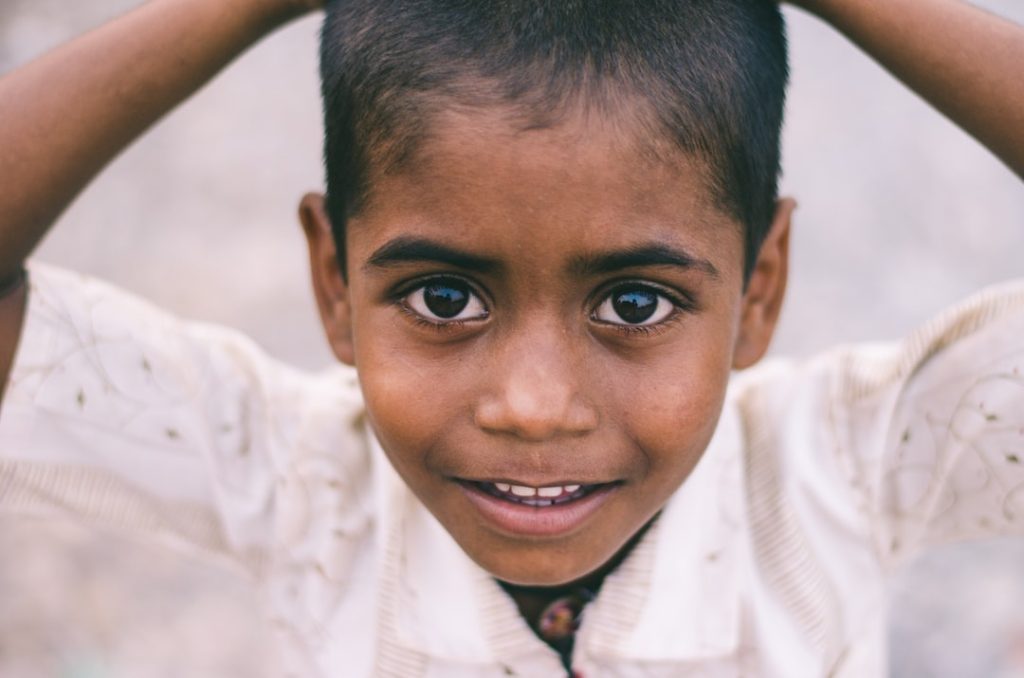
Islamic child care refers to the practice of providing care and education to children according to Islamic principles and values. It is an essential aspect of raising children in the Islamic faith, as it helps to instil Islamic values, teachings, and practices from a young age. Child care in Islam is not just about meeting the physical needs of children, but also about nurturing their spiritual, emotional, and social development. It plays a crucial role in shaping the future generations of Muslims.
Child care is highly valued in Islam because it recognizes the importance of providing a safe and nurturing environment for children to grow and develop. Islam places great emphasis on the rights of children and the responsibilities of parents and caregivers towards them. The Prophet Muhammad (peace be upon him) said, “Every one of you is a shepherd and is responsible for his flock.” This highlights the importance of caring for and guiding children in a way that is consistent with Islamic teachings.
The Role of Islamic Child Care in the Upbringing of Children
Child care for Islams plays a significant role in the upbringing of children by providing them with a holistic approach to development. It contributes to their physical, intellectual, emotional, and spiritual growth. Caregivers in childcare centres for Islam are trained to create an environment that fosters learning, creativity, and exploration. They provide age-appropriate activities that stimulate cognitive development and encourage children to think critically and problem-solve.
In addition to cognitive development, Islamic child care also focuses on the moral and spiritual development of children. Caregivers teach them about Islamic values such as honesty, kindness, respect, and compassion. They incorporate Islamic teachings into daily routines and activities, helping children understand their purpose in life and their relationship with Allah. This helps to build a strong foundation of faith from an early age.
The role of caregivers in Islamic child care is crucial. They serve as role models for children, embodying Islamic values and teachings in their behaviour and interactions. Caregivers provide a nurturing and loving environment where children feel safe, secure, and valued. They establish positive relationships with children, fostering a sense of trust and belonging. Caregivers also work closely with parents to ensure that the child’s needs are met and that they receive consistent care and guidance.
The Importance of Early Childhood Education in Islam
Early childhood education is highly valued in Islam as it is believed to be the foundation for a child’s future development. The Prophet Muhammad (peace be upon him) said, “The best of you are those who learn the Quran and teach it.” This highlights the significance of education in Islam, starting from a young age.
Child care for Islams plays a vital role in providing early childhood education to children. It introduces them to the basic principles of Islam, such as the oneness of Allah, the importance of prayer, and the significance of good deeds. Caregivers use age-appropriate methods to teach children about Islamic concepts, making learning fun and engaging. They incorporate stories, songs, and hands-on activities to help children understand and internalize these teachings.
Early childhood education in Islam is not limited to religious teachings alone. It also encompasses a wide range of subjects such as language development, mathematics, science, and social studies. Child care centres for Islams provide a well-rounded curriculum that prepares children for formal schooling while also instilling Islamic values and teachings.
Building a Strong Foundation of Faith through Islamic Child Care
One of the primary goals of child care for Islams is to build a strong foundation of faith in children. It aims to nurture their spiritual development by teaching them about Islam and helping them develop a personal relationship with Allah.
Child care centres for Islam create an environment that is conducive to spiritual growth. They incorporate daily prayers, recitation of the Quran, and supplications into the routine of children. Caregivers encourage children to engage in acts of worship, such as fasting during Ramadan and giving charity. They also teach them about the importance of good character and moral values in Islam.
By immersing children in an environment that is centred around Islamic teachings, child care for Islams helps them develop a deep understanding and love for their in them a sense of purpose and identity as Muslims, which serves as a strong foundation for their future spiritual growth.
The Significance of Islamic Values in Child Care Practices
Islamic values play a crucial role in childcare practices in Islamic childcare centres. These values guide caregivers in their interactions with children and help create a nurturing and supportive environment.
One of the core Islamic values of childcare care practices is compassion. Caregivers are taught to show kindness, empathy, and understanding towards children. They are encouraged to listen to children’s needs, validate their feelings, and provide comfort and reassurance when needed. This helps children develop a sense of security and trust in their caregivers.
Another important value is respect. Caregivers are trained to treat children with respect and dignity, recognizing their individuality and uniqueness. They encourage children to express themselves, make choices, and participate in decision-making processes. This fosters a sense of autonomy and self-confidence in children.
Child care for Islams also emphasizes the value of patience. Caregivers are taught to be patient with behaviours behaviour, understanding that they are still learning and developing. They are encouraged to use positive discipline techniques that focus on teaching rather than punishing. This helps children develop self-control, self-discipline, and a sense of responsibility for their actions.
The Impact of Islamic Child Care on the Social and Emotional Development of Children

Child care for Islams has a significant impact on the social and emotional development of children. It provides them with opportunities to interact with peers, develop social skills, and build meaningful relationships.
Caregivers in child care centres for Islams create a supportive and inclusive environment where children feel accepted and valued. They encourage children to engage in cooperative play, problem-solving, and conflict resolution. This helps children develop important social skills such as sharing, taking turns, and empathy.
Child care for Islams also focuses on the emotional well-being of children. Caregivers recognise and respond to children’s emotions in a sensitive and nurturing manner. They help children identify and express their feelings, teaching them healthy ways to cope with emotions. This promotes emotional intelligence and resilience in children.
The role of caregivers in promoting social and emotional development is crucial. They serve as positive role models, demonstrating healthy communication, and conflict-resolution resolution skills. Caregivers also provide guidance and support to children, helping them navigate social situations and develop positive relationships.
Fostering a Sense of Community and Belonging through Islamic Child Care
Child care for Islams plays a vital role in fostering a sense of community and belonging among children. It provides them with a space where they can connect with other Muslim children, learn from one another, and develop a sense of identity as part of the Muslim ummah (community).
Child care centres for Islam organize regular gatherings, events, and celebrations that bring children together. These activities provide opportunities for children to learn about Islamic traditions, customs, and practices. They also help children develop a sense of pride in their Muslim identity.
In addition to fostering a sense of community among children, child care for Islams also promotes parent involvement. Parents are encouraged to actively participate in their child’s education by attending parent-teacher meetings, workshops, and events. This strengthens the bond between parents, and caregivers in the childcare centre, creating a supportive network for families.
The Benefits of Islamic Child Care for Working Parents
Child care for Islams provides numerous benefits for working parents who are seeking a safe and nurturing environment for their children while they are at work.
One of the main benefits is the peace of mind that comes with knowing that their children are being cared for by Islamic principles and values. Child care centres for Islams provide a safe and secure environment where children are protected from harm and surrounded by caregivers who share their faith.
Child care for Islams also offers convenience for working parents. Childcare centres provide flexible hours and extended care options to accommodate the needs of working families. This allows parents to focus on their work knowing that their children are in a safe and enriching environment.
Furthermore, Childcare centres for Islams often provide a comprehensive curriculum that includes both secular and Islamic education. This means that children receive a well-rounded education that prepares them for formal schooling while also instilling Islamic values and teachings.
Addressing Common Challenges in Islamic Child Care
While child care for Islams offers many benefits, it also faces certain challenges that need to be addressed in order to provide the best possible care for children.
One common challenge is the lack of qualified caregivers who are knowledgeable about Islam and early childhood education. It is important to invest in training and professional development programs for caregivers to ensure that they have the necessary skills and knowledge to provide high-quality care.
Another challenge is the limited resources available for childcare centres in Islams. Many centers struggle with funding, which can impact the quality of care they are able to provide. It is important for communities to support these centres through donations, fundraising efforts, and volunteer work.
Additionally, cultural differences within the Muslim community can pose challenges in child care for Islams. Caregivers need to be sensitive to the diverse backgrounds and practices of families and ensure that all children feel included and respected.
Strategies for addressing these challenges include collaboration between childcare centres, community organizations, and educational institutions. By working together, resources can be shared, training programs can be developed, and funding opportunities can be explored.
The Vital Role of Islamic Child Care in Shaping Our Future Generations
In conclusion, child care for Islams plays a vital role in shaping the future generations of Muslims. It provides a safe and nurturing environment where children can grow, learn, and develop in accordance with Islamic principles and values.
Child care for Islams contributes to the development of children by providing them with a holistic approach to education. It focuses on their physical, intellectual, emotional, and spiritual growth. Caregivers play a crucial role in providing guidance, support, and posimodellinge modelling.
Child care for Islams also plays a significant role in providing early childhood education. It introduces children to the basic principles of Islam and prepares them for formal schooling while instilling Islamic values and teachings.
Furthermore, child care for Islams helps build a strong foundation of faith in children. Instil in them a deep understanding and love for their faith, helping them develop a personal relationship with Allah.
Child care for Islams also fosters a sense of community and belonging among children. It provides them with opportunities to connect with other Muslim children and develop a sense of identity as part of the Muslim ummah.
Overall, child care for Islams is essential for shaping the future generations of Muslims. It provides a nurturing and supportive environment where children can grow and develop into confident, compassionate, and responsible individuals who are grounded in their faith.
If you’re looking for a reliable child care centre for Islams in Sydney, look no further than Islamic Prekindy. With their commitment to nurturing young minds with faith and education, they provide a safe and supportive environment for children to grow and learn. In their recent blog post, they discuss the importance of Islamic preschools and how they play a crucial role in shaping a child’s character and values. To learn more about their programs and services, visit their website at https://islamicprekindy.com/islamic-preschool-sydney-2/.
FAQs
What is Islamic child care?
Child care for Islams refers to the practice of providing child care services that are in accordance with Islamic principles and values. It involves creating a safe and nurturing environment for children while also incorporating Islamic teachings and practices into routines.
What are the benefits of child care for Islams?
Child care for Islams provides children with a strong foundation in Islamic values and teachings, which can help them develop a sense of identity and purpose. It also helps children develop a sense of community and belonging, as they are surrounded by other children and caregivers who share their faith.
What services are typically offered in child care for Islams?
Child care services for Islams may include activities such as Quranic recitation, Islamic stories and lessons, prayer, and other religious practices. In addition, caregivers may provide care services such as feeding, diaper changing, and playtime.
What qualifications do caregivers in Islamic child care typically have?
Caregivers in child care for Islams may have a range of qualifications, from basic child care training to more advanced degrees in early childhood education or Islamic studies. Many caregivers may also have experience working with children in a variety of settings.
How can parents find childcare services for Islams?
Parents can find childcare services for Islams through local mosques, Islamic schools, and community organizations. They may also be able to find recommendations from other parents in their community who have used these services in the past.